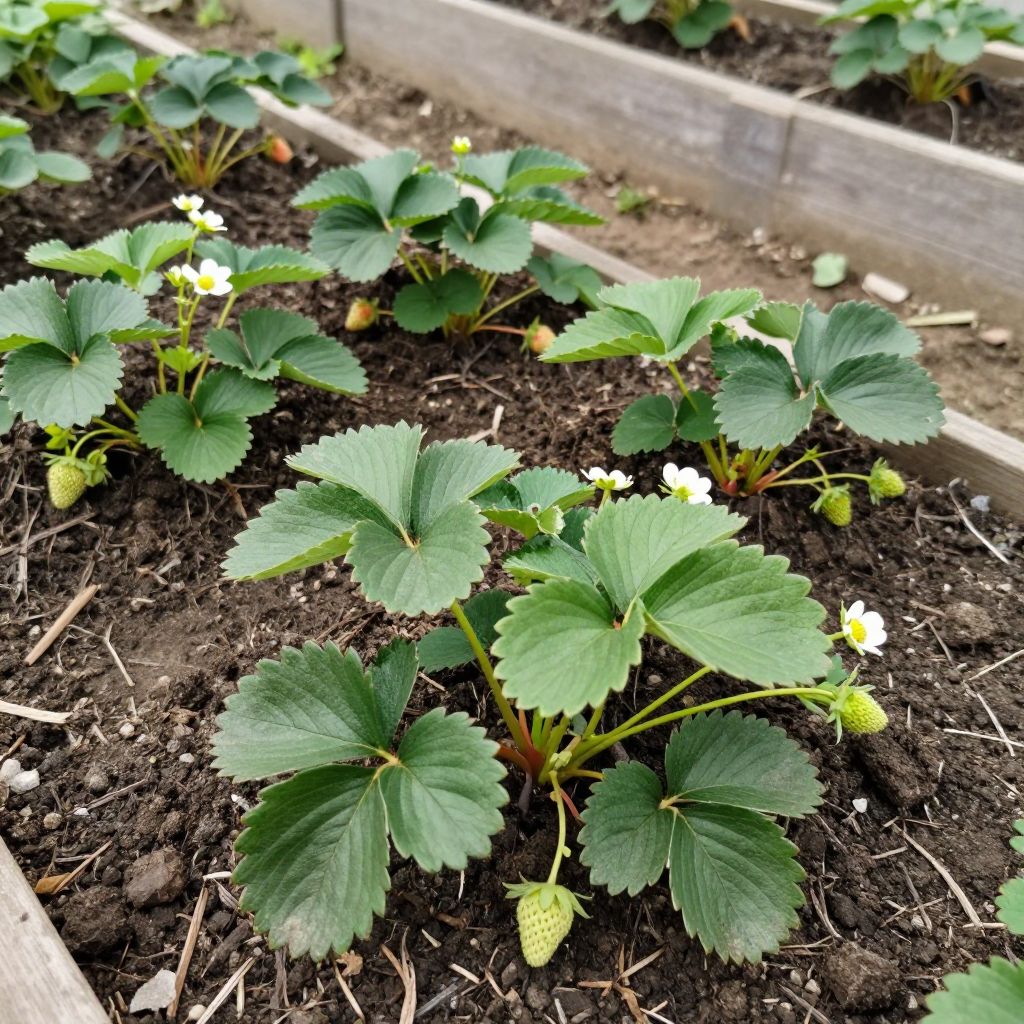
Do strawberries grow back every year? In many gardens, yes—but it depends on the type of strawberry you planted, your climate, and how well the plants are maintained. Some strawberries are perennial and return for several years, while others are treated as annuals in colder regions.
If you want a patch that keeps producing, the key is knowing whether you have June-bearing, everbearing, or day-neutral strawberries, then giving them the right care through the seasons. With the right pruning, watering, and renovation, strawberry plants can keep coming back and fruiting well.
Do strawberries grow back every year?
Yes, strawberries are perennial plants, so the crowns can survive winter and regrow in spring. However, fruiting declines as plants age, and some gardeners replace them every few years for better harvests. In cold climates, winter protection matters; in warm climates, heat and moisture management are often the bigger issues.
What kind of strawberry do you have?
Not all strawberries behave the same way. The type you grow affects when they fruit, how long they stay productive, and how you should care for them.
June-bearing strawberries
These produce one main crop each year, usually over a short period. They often make the biggest harvest and are common in home gardens.
Everbearing strawberries
Everbearing types typically produce two or more flushes of fruit during the growing season. They can be a good choice if you want a longer harvest window.
Day-neutral strawberries
Day-neutral strawberries can flower and fruit through much of the season when temperatures are suitable. They are often favored for steady picking rather than one big crop.
How long do strawberry plants live?
Strawberry plants can live for several years, but many gardeners get the best yields from plants in their first two to three fruiting seasons. After that, crowns may become less vigorous, beds can get crowded, and disease pressure may build up.
Good care can extend productivity, but old, weak, or diseased plants should be replaced. A healthy patch is usually maintained by removing weak plants and allowing strong runners to renew the bed.
How to help strawberries come back each year
To keep strawberries returning reliably, focus on the basics: sun, soil, moisture, and seasonal cleanup. Strawberries are not difficult, but they do best when you give them consistent conditions.
- Plant in full sun. Aim for at least 6 to 8 hours of direct sunlight daily for strong flowering and fruiting.
- Use well-drained soil. Strawberries dislike soggy roots, so raised beds or mounded rows can help in heavy soil.
- Work in compost. A few inches of organic matter improves soil structure and moisture balance.
- Mulch around plants. Straw, shredded leaves, or similar mulch helps keep fruit clean and roots cooler.
- Water consistently. Keep soil evenly moist, especially during flowering and fruit development.
- Remove diseased leaves and weak plants. This reduces pest and disease problems that can weaken the patch over time.
Seasonal care that helps strawberries return
Spring
In spring, remove winter mulch gradually once the weather settles. Trim away dead leaves and check crowns for winter damage. If plants are crowded, thin out weak ones so the healthiest crowns have room to grow.
During flowering and fruiting
Keep the bed evenly moist, especially if rainfall is irregular. Uneven watering can lead to smaller berries, poor fruit set, or stressed plants that struggle to survive the next season.
Harvest berries frequently so ripe fruit does not rot on the plant. This helps reduce pest problems and keeps the bed cleaner.
After harvest
After the main crop, remove old leaves, runners you do not want to root, and any damaged plant material. For June-bearing strawberries, this is often the time to renovate the bed by thinning plants and refreshing mulch.
Fall and winter
In colder climates, mulch strawberry beds after the ground begins to cool but before severe freezes set in. This helps protect crowns from repeated freeze-thaw cycles and winter injury.
If you garden in a mild climate, winter care may be lighter, but the plants still benefit from a clean bed and protection from waterlogged soil.
Should you let strawberry runners grow?
Runners are long stems that form new baby plants. They can help you renew an old patch, but too many runners can crowd the bed and reduce fruit production.
- Keep a few runners if you want to replace older plants.
- Remove extra runners if the bed is getting crowded.
- Root new plants in small pots before transplanting if you want more control.
For a productive patch, balance fruiting and propagation. Too many daughter plants can drain energy from the mother plant and lead to smaller berries.
Common reasons strawberries do not come back well
Poor drainage
Wet soil can rot crowns and roots. If your soil stays soggy after rain, try raised beds, mounded rows, or improving drainage before planting again.
Too much shade
Strawberries in low light often produce fewer flowers and weaker plants. If possible, move them to a sunnier location or prune nearby plants that block light.
Overcrowding
Dense patches may look full, but they often produce smaller fruit and more disease. Thin the bed so air can move through the plants.
Old or diseased plants
Strawberry beds can decline from leaf spot, root problems, or general age. If plants are consistently weak, replacing them with healthy stock may be the best option.
Pests and diseases that shorten strawberry life
Healthy strawberries are more likely to return year after year. Watch for common issues that weaken crowns, leaves, and fruit.
- Slugs and snails can damage fruit and leaves, especially in damp gardens.
- Birds may peck ripe berries before you harvest them.
- Gray mold can spread on fruit during wet weather and crowded plantings.
- Leaf diseases may cause spotting, yellowing, or early decline.
To reduce problems, keep fruit off wet soil with mulch, pick berries promptly, remove infected leaves, and avoid overhead watering late in the day.
How to renovate an established strawberry bed
Renovation can help a productive patch keep going for another season or two. This works best with healthy plants that still have strong crowns.
- Remove dead leaves and old fruiting stems.
- Thin out weak or overcrowded plants.
- Keep the strongest crowns spaced so they have room to grow.
- Top-dress with compost if your soil needs improvement.
- Refresh mulch to keep moisture steady and fruit cleaner.
If the bed is heavily diseased or mostly unproductive, start a new patch in a different location rather than trying to rescue weak plants.
Growing strawberries in containers
Container-grown strawberries can also come back each year if the roots are protected and the plants are not allowed to dry out completely. Pots warm up and dry out faster than garden beds, so they need closer attention.
- Choose a container with drainage holes.
- Use a quality potting mix, not heavy garden soil.
- Place the pot where it gets plenty of sun.
- Water when the top layer of mix begins to dry.
- In cold climates, protect pots from freezing damage or move them to a sheltered spot.
Container plants often need replacing sooner than in-ground plants, but they can still be perennial if roots stay healthy.
When to replace strawberry plants
Even with good care, strawberry plants do not stay equally productive forever. If harvests are shrinking, plants are crowded, or disease keeps returning, it may be time to start fresh.
Consider replacing plants if you notice:
- small berries and fewer flowers year after year
- lots of weak, woody-looking crowns
- persistent leaf spotting or root problems
- crowding that renovation cannot fix
Starting with healthy, disease-free plants in a new location often gives better results than trying to force an exhausted bed to keep producing.
Practical takeaways for a returning strawberry patch
So, do strawberries grow back every year? Usually yes, if the plants are perennial and the growing conditions are right. The real question is not only whether they survive, but whether they stay vigorous enough to fruit well.
Give strawberries sun, drainage, mulch, and steady moisture, then thin old plants and manage runners as needed. If you want more growing ideas, you may also find can you grow strawberries indoors helpful for comparing indoor and outdoor care.