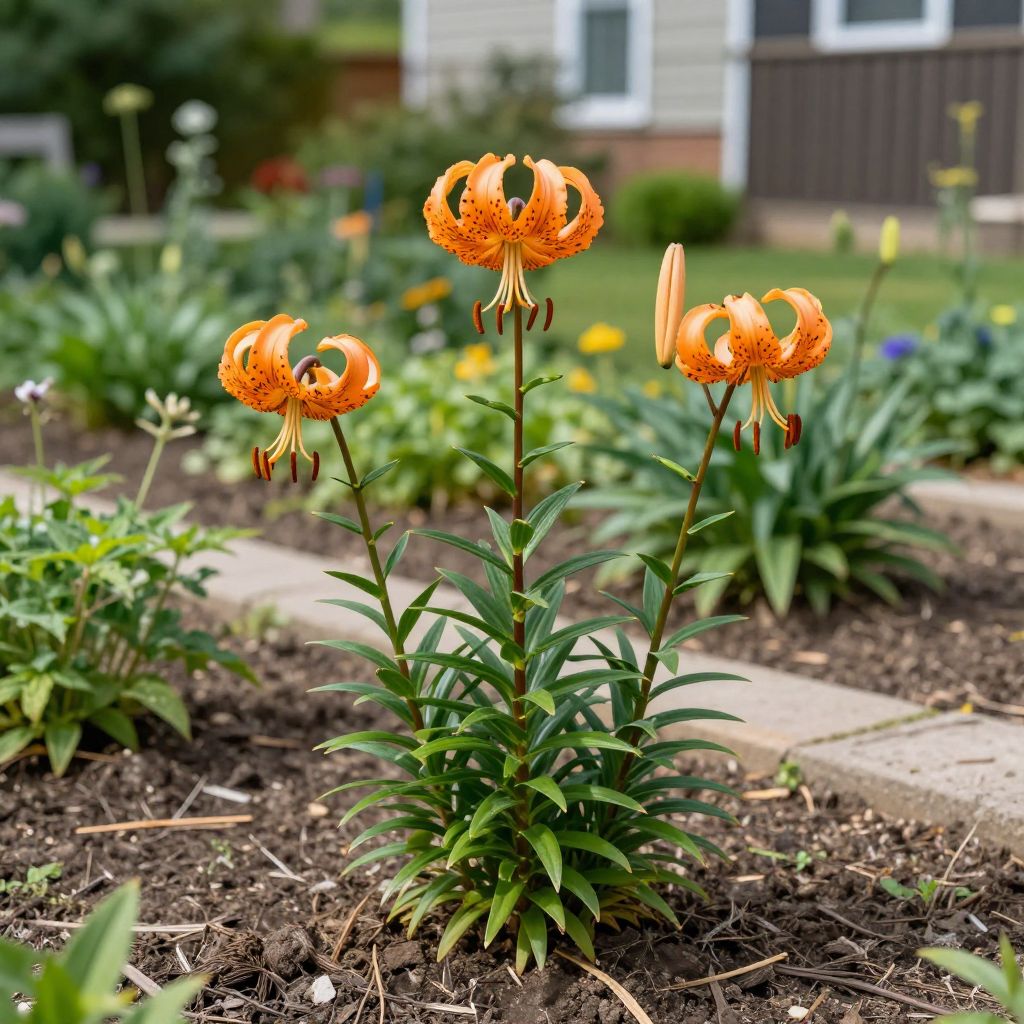
When do tiger lilies bloom? If you’re waiting for those tall stems and orange, spotted flowers to open, the usual answer is midsummer. In many gardens, tiger lilies bloom from early to mid-summer, often after spring bulbs have faded and before late-season perennials take over.
The exact timing depends on your climate, sunlight, soil, and how established the bulbs are. Once you know what tiger lilies need, you can help them flower more reliably and enjoy a longer, healthier display.
When do tiger lilies bloom?
Tiger lilies (Lilium lancifolium) typically bloom in midsummer, often from July into August in many temperate gardens. In warmer areas they may flower earlier, while cooler climates can push bloom time later. Mature, well-grown plants usually bloom more reliably than newly planted bulbs.
What affects bloom time?
Tiger lilies are seasonal perennials, so their flowering window shifts with weather and growing conditions. The plant needs enough spring growth to build energy before it sends up flower buds.
Climate and local weather
Cool springs can delay flowering, while an early warm spell may bring buds sooner. A late frost can also slow growth or damage emerging shoots.
Plant maturity
Newly planted bulbs or offsets may spend their first season establishing roots rather than blooming heavily. Established clumps usually flower more consistently.
Sunlight
Tiger lilies bloom best in full sun to partial sun. Too much shade often leads to tall, weak stems and fewer flowers.
Soil and moisture
Rich, well-drained soil helps plants store energy for flowering. Waterlogged soil can stress bulbs and reduce bloom performance.
How to grow tiger lilies for better blooming
If you want tiger lilies to bloom on time and bloom well, focus on the conditions that support strong stems and healthy bulbs. These lilies are generally easy to grow, but they do best when their roots stay cool and their tops get plenty of light.
Choose the right planting spot
- Give them at least 6 hours of sun if possible.
- Use a site with good air circulation.
- Avoid low spots where water collects after rain.
- Plant near other perennials that can help shade the soil surface.
Prepare the soil
Tiger lilies prefer loose, fertile soil that drains well. Before planting or dividing, work in compost to improve structure and add organic matter.
- Mix compost into the top 6 to 8 inches of soil.
- If your soil is heavy clay, improve drainage before planting.
- If your soil is sandy, compost helps it hold moisture and nutrients longer.
Planting depth and spacing
Plant bulbs or bulbils at a depth appropriate for lilies in your area, usually several inches below the surface, and space them so stems have room to mature. Crowding can reduce airflow and flower quality.
If you are unsure about exact depth for your planting material, follow the nursery tag or local extension guidance for lilies in your climate.
Watering for bloom success
Keep soil evenly moist while shoots are growing and buds are forming, but never soggy. Deep watering is better than frequent light sprinkling because it encourages stronger roots.
- Water when the top inch or two of soil feels dry.
- Mulch lightly to help retain moisture.
- Reduce watering if summer rains are regular.
Feed lightly, not heavily
Compost often provides enough nutrition for tiger lilies in average garden soil. If growth is weak, a balanced fertilizer can help, but too much nitrogen may produce lush leaves with fewer flowers.
Avoid overfeeding. Excess fertilizer can make stems floppy and delay blooming.
What tiger lilies look like before they bloom
Knowing the growth stages helps you tell whether your lilies are on schedule or simply not ready yet. Tiger lilies usually emerge in spring, grow steadily through early summer, and then form buds near the top of the stems.
Typical seasonal sequence
- Spring emergence: new shoots appear from the bulb or clump.
- Leaf growth: stems elongate and build energy.
- Bud formation: flower buds appear near the top of the stem.
- Bloom: flowers open in sequence, often over several days.
- Post-bloom: foliage continues feeding the bulb for next year.
How long do tiger lilies bloom?
Each stem usually flowers for a limited period, but a mature clump may bloom longer because different stems open at slightly different times. In many gardens, the overall display lasts a few weeks rather than a single day.
Hot weather can shorten the individual flower life, while cooler conditions may help blooms last a little longer.
Common reasons tiger lilies don’t bloom
If your tiger lilies are growing leaves but not flowers, the problem is usually cultural rather than permanent. Most bloom issues can be corrected with better light, soil, or timing.
Too much shade
Shade is one of the most common reasons for poor flowering. Move or thin nearby plants if the lilies are being crowded out.
Bulbs are too young or too crowded
New plantings may need a season to settle in. Older clumps can also become crowded, which may reduce bloom quality. Dividing at the right time can help, but do it only when the plant is dormant or after flowering, depending on local practice.
Soil stays wet
Constantly damp soil can rot bulbs or weaken them over time. Improve drainage before replanting, especially in clay soil or low-lying beds.
Foliage removed too early
After blooming, leaves keep feeding the bulb. Cutting stems down too soon can reduce next year’s flowers.
Pruning and after-bloom care
Deadheading spent flowers can tidy the plant and prevent unnecessary seed formation, but leave the stems and leaves in place until they yellow naturally. This helps the bulb recharge for the next season.
- Remove faded blooms if you want a cleaner look.
- Leave the foliage until it turns yellow or brown.
- Cut stems back only after the plant has finished storing energy.
Pests and diseases that can affect flowering
Healthy tiger lilies usually bloom well, but pests and disease can weaken stems or damage buds. Catching problems early helps protect the season’s flowers.
Common pest issues
- Lily beetles: can chew leaves, buds, and flowers.
- Aphids: may cluster on new growth and distort buds.
- Slugs and snails: can damage young shoots in damp weather.
Common disease issues
- Bulb rot: often linked to poor drainage.
- Botrytis and leaf spotting: more likely in humid, crowded plantings.
Good spacing, clean garden hygiene, and prompt removal of damaged plant material help reduce these problems. If a plant is repeatedly failing, inspect the bulbs and roots before replanting.
Can you propagate tiger lilies?
Yes. Tiger lilies often produce small bulbils along the stem and can also be multiplied by dividing established clumps. Propagation is useful if you want more plants, but new divisions may take time before blooming well.
Using bulbils
Bulbils can be collected when mature and planted separately. They usually need time to grow into flowering-size bulbs, so patience is important.
Dividing clumps
If a clump becomes overcrowded, division can improve vigor. Replant divisions promptly in prepared soil and water them in well.
Growing tiger lilies in containers
Container-grown tiger lilies can bloom, but they need enough root room and excellent drainage. Choose a deep pot with drainage holes and use a quality potting mix rather than garden soil.
- Place the container where it gets strong sun.
- Check moisture more often than in-ground plantings.
- Protect pots from extreme heat, which can dry roots quickly.
Quick troubleshooting guide
- No flowers: check sunlight first, then soil drainage and plant age.
- Weak stems: look for too much shade or too much nitrogen.
- Buds drop: stress from heat, drought, or pests may be the cause.
- Leaves yellow early: inspect for rot, overcrowding, or natural end-of-season decline.
Final thoughts
When do tiger lilies bloom? Usually in midsummer, but the exact timing depends on your climate and growing conditions. If you give them sun, drainage, and steady care through spring, they’re much more likely to reward you with strong, colorful flowers.
If you’re planning a lily bed, it can help to read more about how to plant bulbs for seasonal bloom and perennial flower care after blooming so you can keep your garden flowering from spring into late summer.