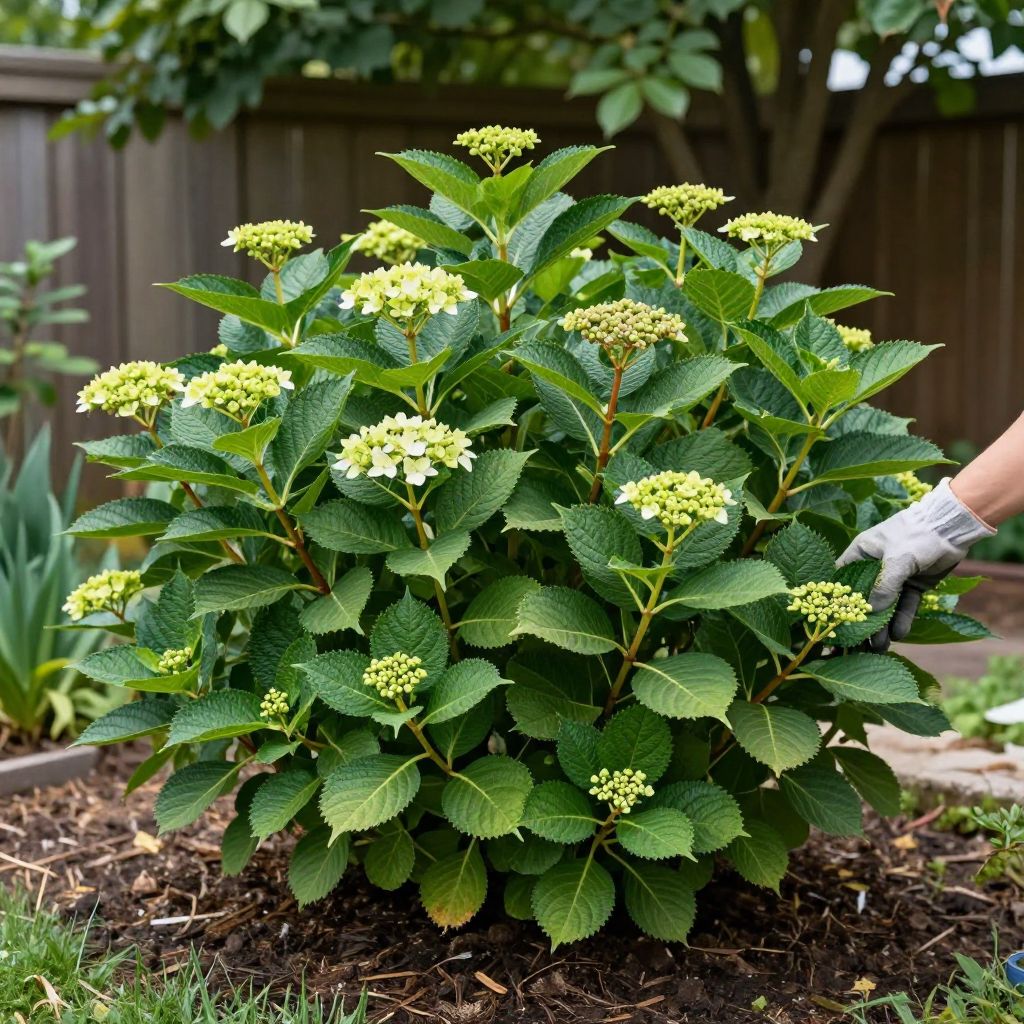
Why is my hydrangea not blooming? In most cases, the plant is alive and growing, but something is interfering with flower bud formation. The cause is usually tied to pruning, too much shade, winter damage, excess nitrogen, or a plant that is still too young to flower reliably.
The good news is that hydrangeas are often fixable once you identify the reason. With a few adjustments to light, pruning, feeding, and winter care, many non-blooming plants will flower again the following season.
Why is my hydrangea not blooming?
The most common reasons hydrangeas fail to bloom are pruning at the wrong time, too little sun, frost or winter bud damage, too much nitrogen fertilizer, or a young or recently transplanted shrub. Some hydrangea types bloom on old wood, others on new wood, so knowing your plant’s type is key.
Start by identifying what kind of hydrangea you have
Before you change anything, figure out whether your hydrangea blooms on old wood, new wood, or both. This matters because the pruning rules are different, and the wrong cut can remove the flower buds you were waiting for.
Common bloom types
- Old wood bloomers set flower buds the previous season. If you prune them too late in winter or early spring, you may remove next year’s flowers.
- New wood bloomers form flowers on current-season growth and usually tolerate harder pruning better.
- Repeat bloomers may flower on both old and new growth, but still need good light and balanced care.
If you are not sure which type you have, look at the plant tag, nursery label, or the shape and timing of blooms from previous years. When in doubt, avoid heavy pruning until you know more.
Common causes of hydrangeas not blooming
1. Pruning at the wrong time
This is one of the biggest reasons hydrangeas stay green but never flower. Many popular hydrangeas, especially bigleaf hydrangea (Hydrangea macrophylla) and oakleaf hydrangea (Hydrangea quercifolia), often bloom on old wood, so late pruning can remove the buds already formed for the season.
What to do: prune only dead, damaged, or crossing stems until you know your plant’s bloom habit. If your hydrangea blooms on old wood, prune right after flowering, not in late winter or spring.
2. Too much shade
Hydrangeas can tolerate some shade, but deep shade often leads to leafy growth with few or no flowers. Plants may look healthy yet fail to get enough light energy to set strong buds.
What to do: aim for morning sun and afternoon shade in hot climates, or more sun in cooler regions. If a shrub is under dense tree cover or beside a north-facing wall, consider thinning nearby branches or transplanting it to a brighter spot if practical.
3. Excess nitrogen fertilizer
High-nitrogen lawn fertilizer or a fertilizer meant for leafy growth can push hydrangeas to produce lots of stems and leaves instead of blooms. This is especially common when shrubs are planted near turf that gets regular feeding.
What to do: avoid feeding hydrangeas with lawn fertilizer. If you fertilize, use a balanced product sparingly and only when your soil actually needs it. In many gardens, mature hydrangeas do fine with compost and no routine heavy feeding.
4. Winter or frost damage to flower buds
In colder climates, flower buds on old wood hydrangeas can be killed by hard freezes, late frosts, or drying winter winds. The plant may leaf out normally in spring but never produce flowers.
What to do: protect the shrub in late fall with a layer of mulch over the root zone, and avoid exposing buds to unnecessary pruning or wind. In very cold areas, choose hardy hydrangea types better suited to your local winters.
5. The plant is too young or recently moved
Young hydrangeas often need time to establish before they bloom well. Newly planted shrubs may spend their first season or two building roots rather than flowers, and transplant shock can delay blooming even longer.
What to do: give a new hydrangea time to settle in. Keep the soil evenly moist, avoid heavy feeding, and do not overprune while it is establishing.
6. Poor light, poor drainage, or stressed roots
Hydrangeas dislike waterlogged soil, compacted ground, and root competition from nearby trees and shrubs. When roots struggle, flower production often drops before leaf growth does.
What to do: check drainage by digging a small test hole after watering or rain. If water lingers for hours or days, improve the soil structure, raise the planting area, or move the plant to a better-drained site.
7. Late-season pruning after buds have formed
Even if you prune at the right time most years, a late-season trim can still remove developing buds. This is easy to do when tidying the garden in spring and not realizing the buds are already present.
What to do: inspect stems before cutting. On old wood bloomers, the plump buds near stem tips are often next season’s flowers. Leave them alone unless the stem is clearly dead.
How to troubleshoot a non-blooming hydrangea step by step
- Check the pruning history. Ask yourself when the shrub was last cut back and how hard it was pruned.
- Look at the light. Notice whether it gets at least several hours of sun, especially morning sun.
- Inspect the stems. Are there healthy buds, dead tips, or winter dieback?
- Review fertilizer use. Has it received lawn food or frequent high-nitrogen feeding?
- Assess soil moisture and drainage. Is the plant staying too wet, too dry, or competing with tree roots?
- Consider age and transplant shock. A young or recently moved shrub may simply need another season.
Working through these points usually reveals the problem. In many cases, you will find more than one factor contributing to the lack of blooms.
How to encourage hydrangeas to bloom again
Adjust pruning to the bloom type
If your hydrangea blooms on old wood, prune lightly and only after flowering. Remove dead stems and spent blooms if needed, but avoid cutting back the whole plant in spring.
If your hydrangea blooms on new wood, you can often prune in late winter or early spring before new growth starts. Even then, avoid overdoing it unless the plant is overgrown or damaged.
Improve light without stressing the plant
If the shrub is in heavy shade, try to increase available light gradually. Pruning back nearby branches or opening the canopy can help, but do not expose a shade-grown hydrangea to harsh afternoon sun all at once.
In hot climates, too much direct afternoon sun can scorch leaves and dry buds. In cooler climates, more sun is usually beneficial.
Feed lightly and appropriately
Hydrangeas usually do not need aggressive feeding. If growth is pale or weak, a soil test can tell you whether nutrients are actually lacking.
- Use compost to improve soil structure and add gentle nutrition.
- Avoid high-nitrogen fertilizer near the root zone.
- Do not feed heavily late in the season, when soft growth is more vulnerable to cold.
Water consistently, not excessively
Hydrangeas prefer evenly moist soil, especially during bud formation and dry spells. Irregular watering can stress the plant and reduce flowering, but soggy soil can be just as harmful.
Water deeply when the top few inches of soil begin to dry, then let the soil drain well. Mulch can help hold moisture and keep roots cooler, but keep it a few inches away from the stems.
Protect buds in winter
If you live where winter temperatures drop sharply, protect old wood bloomers from bud loss. A thick mulch layer over the root zone helps, and in exposed sites, wind protection can make a difference.
Do not wrap the shrub so tightly that moisture builds up and causes rot. The goal is to reduce temperature swings and drying, not smother the plant.
Other problems that can reduce flowering
Pests and diseases
Most pest issues do not stop blooming completely, but severe stress can weaken the plant. Aphids, spider mites, leaf spots, and powdery mildew can reduce vigor if they are persistent or widespread.
Check the undersides of leaves, stems, and new growth. If you find a problem, remove heavily affected leaves, improve air circulation, and avoid overhead watering in the evening.
Root competition and crowded planting
Hydrangeas planted under large trees or in tight borders may struggle for water and nutrients. Even if the top growth looks fine, the roots may be under constant pressure.
If possible, reduce competition by watering deeply, mulching properly, and giving the shrub more space. In severe cases, transplanting to a better location may be the best long-term fix.
Weather extremes
Late spring freezes, drought, heat waves, and prolonged rain can all interfere with bloom formation. Hydrangeas are responsive to local conditions, so a plant that bloomed well one year may struggle the next if the weather changes sharply.
When weather is the cause, focus on reducing stress rather than making drastic changes. Consistent moisture, good mulch, and a suitable site help the plant recover.
When to wait and when to act
Sometimes the best move is patience. A newly planted hydrangea, a shrub recovering from pruning, or a plant hit by unusual weather may bloom again next season without major intervention.
Act sooner if the plant is in deep shade, being fertilized heavily, or pruned at the wrong time every year. Those problems usually keep repeating until you change the care routine.
Simple checklist for getting blooms back
- Identify whether your hydrangea blooms on old wood or new wood.
- Stop heavy pruning until you know the correct timing.
- Make sure the plant gets enough light for its type and climate.
- Reduce or stop high-nitrogen fertilizer use.
- Keep soil evenly moist but well drained.
- Protect buds from winter damage if needed.
- Give young or recently transplanted shrubs time to establish.
Conclusion
If you are wondering why is my hydrangea not blooming, start with pruning, light, and fertilizer before assuming the plant is failing. Most non-blooming hydrangeas can be corrected with the right care and a little patience. Check your shrub this week, identify its bloom type, and make one change at a time so you can see what works.
For more help with shrub care and seasonal maintenance, you may also want to read about how to prune hydrangeas correctly and the best mulch and soil care for flowering shrubs.