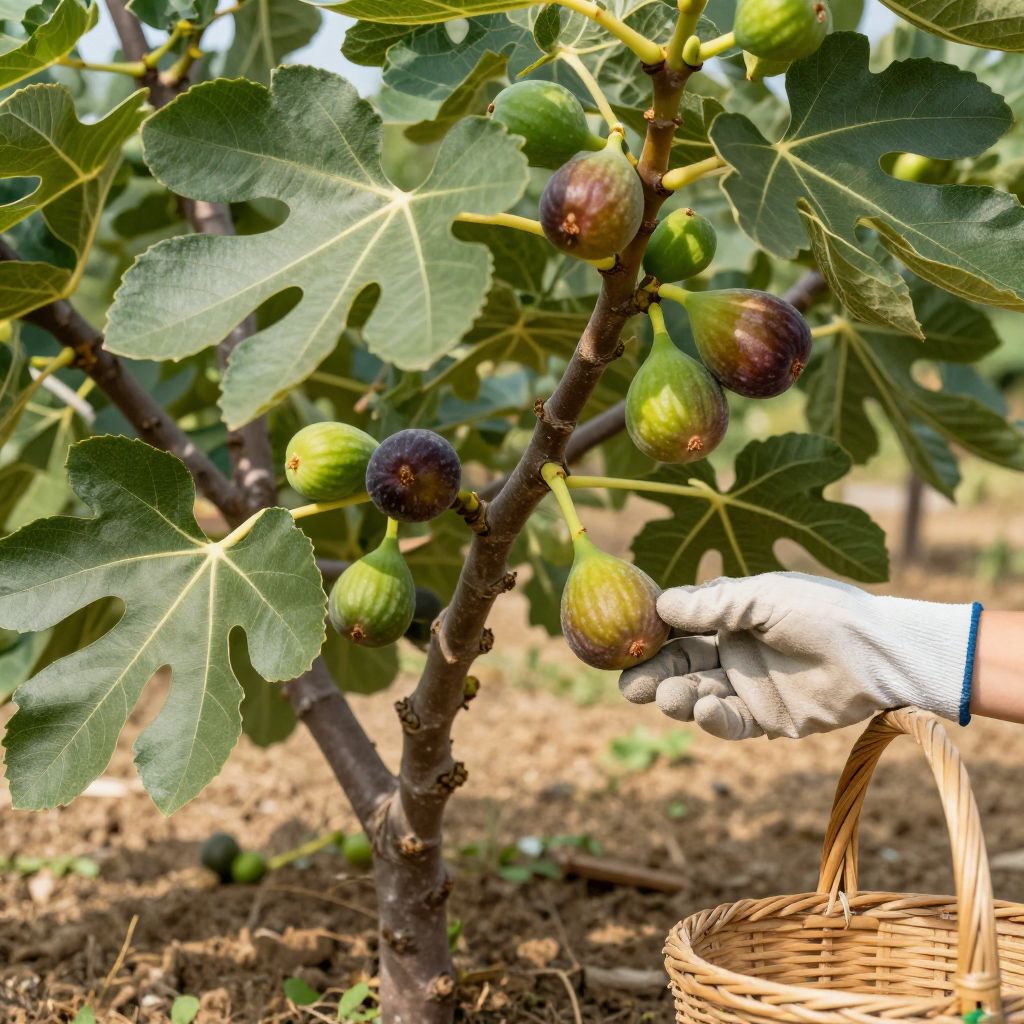
When do fig trees produce fruit? The short answer is that most fig trees ripen fruit in warm weather, usually from late summer into fall, though the exact timing depends on the variety, climate, and whether the tree is young or established. Some trees may also set a smaller early crop in the right conditions.
If your fig is flowering but not ripening, the issue is often sunlight, heat, water stress, pruning, or simply the tree’s age. Understanding fig fruiting cycles helps you know what to expect and how to improve harvests year after year.
When do fig trees produce fruit?
Fig trees typically produce ripe fruit in late summer to early fall, but the season can begin earlier in hot climates and later in cool ones. Young trees may take 2 to 5 years to bear well, while established trees often crop more reliably once they have enough sun, warmth, and room to grow.
How fig fruiting works
Fig trees are not like apples or peaches, where blossoms are obvious. The “fruit” is a fleshy structure that develops from a specialized flower cluster inside the fig. That means you often notice fruit swelling long before it is ready to eat.
Main crop and early crop
Many figs can produce two crops in a year, depending on the variety and climate:
- Breba crop: an early crop that develops on last year’s growth and may ripen in early summer.
- Main crop: the larger crop that forms on current season’s growth and usually ripens later, from late summer into fall.
Not every fig tree will produce both crops. In cooler regions, the main crop is often the only dependable one.
What affects fig fruit timing?
Several growing conditions determine when figs ripen and how many you get. The same variety can fruit weeks earlier in a hot, sheltered garden than in a cooler, windy one.
Climate and heat
Figs need warmth to ripen properly. In cooler summers, fruit may form but stay hard, green, or drop before maturity. A south-facing wall, patio, or protected spot can help the tree accumulate more heat.
Sunlight
Full sun is one of the biggest factors in fruit production. Aim for at least 6 to 8 hours of direct sun daily. In shade, fig trees often grow leafy but produce fewer ripe fruits.
Tree age and size
Young fig trees often spend their first years building roots and branches. A small tree may produce a few fruits, but a stronger crop usually comes once the plant is established and has a good framework of mature wood.
Water and soil
Fig trees like consistent moisture while fruit is developing, but they do not tolerate soggy soil. Poor drainage can reduce growth and increase root problems, while drought stress can cause fruit drop or poor sizing.
Pruning
Heavy pruning can remove wood that would have carried the breba crop. If you prune too hard in winter or early spring, you may delay fruiting or reduce the number of figs that ripen that season.
How to tell when figs are ready to harvest
Ripe figs are soft, slightly drooping, and often change color depending on the variety. They may also develop a sweet smell and a small drop of nectar at the eye. A ripe fig usually detaches easily with a gentle lift.
Signs a fig is ripe
- The fruit feels soft but not mushy.
- The neck of the fig may bend slightly.
- The skin may look fuller, less shiny, or slightly cracked in some varieties.
- The fig hangs downward more than it did before.
- Birds, wasps, or ants may become more interested in it.
Signs a fig is not ready
- It stays firm and upright.
- The skin remains hard and tight.
- The fruit is small and slow to swell.
- It drops before softening, often from stress or lack of heat.
Best growing conditions for fruiting fig trees
If you want reliable fruit, give your fig tree the conditions it naturally prefers. The goal is steady growth, healthy roots, and enough heat to finish ripening the crop.
Planting site
- Choose a warm, sheltered position.
- Avoid frost pockets and exposed windy sites.
- Use a spot with excellent drainage.
- Give the tree room to spread, since figs can become large shrubs or small trees.
Soil
Figs grow best in soil that drains well but still holds some moisture. If your soil is heavy clay, improve drainage with organic matter and consider planting on a slight mound or raised bed. In very sandy soil, compost helps retain moisture and nutrients.
Container growing
Fig trees can fruit well in large containers if they get enough sun and water. Use a pot with drainage holes and a quality potting mix that drains freely. Container-grown figs dry out faster than in-ground trees, so monitor moisture closely during hot weather.
How to encourage better fruiting
Once your fig tree is established, a few simple habits can improve fruit set and ripening. The key is to support growth without pushing the tree into excessive leafy growth.
1. Water consistently
Water deeply during dry spells, especially while fruit is swelling. Inconsistent watering can cause fruit to split, stall, or drop. Let the top layer of soil dry slightly between waterings, but do not let the tree repeatedly wilt.
2. Feed lightly, not heavily
Too much nitrogen can produce lots of leaves and fewer figs. If your soil is poor, add compost in spring or use a balanced, slow-release fertilizer according to label directions and local soil needs. Avoid overfeeding late in the season, which can encourage soft growth that is vulnerable to cold.
3. Prune with restraint
Remove dead, damaged, or crossing branches first. Then thin lightly to improve light and airflow. Avoid removing too much mature wood unless you know your variety fruits only on current-season growth.
4. Protect from cold
Cold damage can kill fruiting wood and delay harvest. In colder climates, plant in a sheltered microclimate and protect young trees in winter if needed. Potted figs should be moved to a protected location where temperatures stay above damaging lows for your variety.
5. Give the tree time
Some fig trees need patience. A healthy young tree may focus on root development before producing a meaningful crop. If the plant looks vigorous and the growing conditions are good, fruiting often improves with age.
Common reasons figs do not ripen
If your tree sets fruit but never finishes it, the problem is usually environmental rather than mysterious. Start by checking the basics before assuming the tree is unproductive.
Too little heat
Cool summers are one of the most common reasons figs stay hard. In cooler regions, choose the warmest site available and consider a variety suited to short seasons rather than a late-ripening type.
Not enough sun
Shade reduces fruit quality and slows ripening. If nearby trees or structures are blocking light, pruning or repositioning may help.
Excessive pruning
Cutting back too hard can remove fruiting wood and force the tree to regrow leaves instead of ripening figs. Light, selective pruning is usually safer than heavy shaping.
Water stress
Severe drought can cause fruit drop, while waterlogged soil can weaken roots and reduce overall performance. Aim for even moisture and good drainage.
Birds and pests
Sometimes the figs are ripening, but wildlife gets to them first. Netting can help, though it should be used carefully so birds do not become trapped. Ants, wasps, and squirrels may also target ripe fruit.
Pests and diseases that can affect fruiting
Healthy foliage and roots support better harvests, so it helps to watch for common problems. Most fig issues are manageable if caught early.
Birds and mammals
Birds, squirrels, and other animals often take ripe figs before you do. Harvest promptly as fruit softens, and use protective netting or physical barriers if wildlife pressure is high.
Fig rust and leaf issues
Leaf diseases such as fig rust can weaken the tree if they become severe. Good spacing, airflow, and cleanup of fallen leaves help reduce disease pressure. Avoid wetting the foliage late in the day if possible.
Root problems
Poor drainage can lead to root stress and weak fruiting. If the tree declines despite watering, inspect the site for compacted soil or standing water and improve drainage before adding more fertilizer.
How to propagate figs if you want more fruiting plants
Fig trees are often propagated from cuttings, which is a practical way to duplicate a productive plant. If you already have a fig that fruits well in your climate, cuttings can give you another tree with similar traits.
Basic cutting approach
- Take a healthy dormant stem cutting from a mature tree.
- Use clean, sharp pruners to make a cutting with several nodes.
- Root it in a moist, well-draining medium.
- Keep it warm and evenly moist, not soggy.
- Transplant only after roots are well developed.
Propagation success depends on timing, hygiene, and warmth. If you are new to it, start with a few cuttings rather than relying on one.
Harvesting and storing figs
Figs are best picked fully ripe because they do not improve much after harvest. Handle them gently, since ripe fruit bruises easily and has a short shelf life.
Harvest tips
- Pick in the morning when fruit is cool.
- Use both hands if needed to avoid tearing the stem.
- Check the tree daily during peak ripening weather.
- Remove overripe or split figs to reduce pest attraction.
Storage
Fresh figs are delicate and usually keep only a few days in the refrigerator. For longer storage, consider drying, freezing, or preserving them soon after harvest if you have more than you can eat fresh.
What to expect by season
Fig timing varies by climate, but the general pattern is predictable. In many gardens, new growth appears in spring, fruit begins swelling in summer, and ripe figs arrive from late summer into early fall. In very warm regions, harvest may start earlier and continue longer.
If your tree is in a container or a cool climate, fruiting may be later and less abundant. The best approach is to watch your tree closely rather than rely on a calendar alone.
Conclusion
When do fig trees produce fruit? Usually in late summer to early fall, with possible earlier breba fruit on some varieties. To get the best harvest, give your tree full sun, good drainage, steady moisture, and light pruning. If you want to improve next year’s crop, start by checking how much sun and warmth your fig is receiving this season.
For more practical fruit-tree guidance, you may also enjoy how to prune fruit trees for better harvests and choosing the best fruit trees for small gardens.