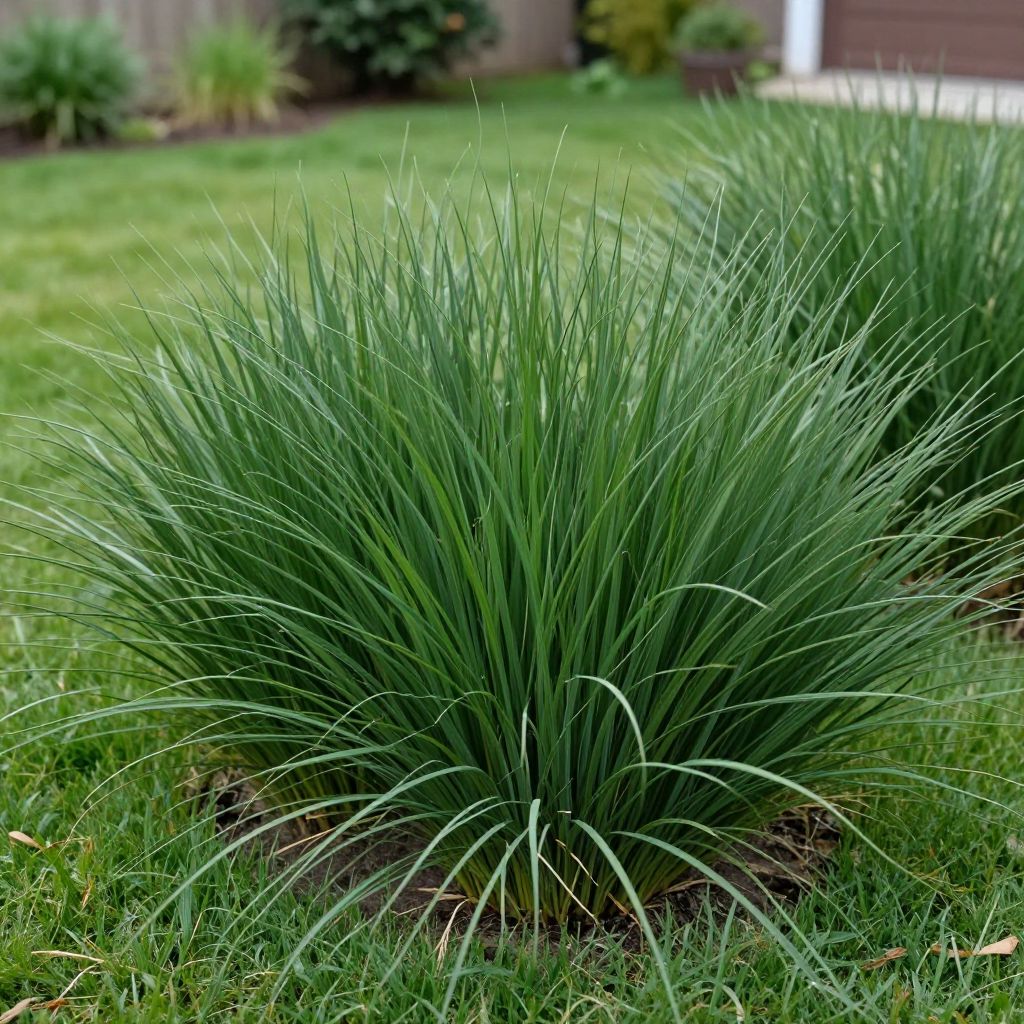
What is tall fescue grass, and is it the right lawn grass for your yard? Tall fescue is a cool-season turfgrass valued for its deep roots, heat tolerance, and ability to handle a range of soils. It is common in home lawns, especially where summers are warm but not extreme.
If you are trying to identify it or decide whether to plant it, the key is understanding its growth habit, leaf texture, and care needs. Tall fescue can make a durable, low-maintenance lawn when matched to the right site and maintained correctly.
What is tall fescue grass?
Tall fescue (Festuca arundinacea, often classified as Schedonorus arundinaceus) is a cool-season bunch-type grass with coarse to medium-textured blades and deep roots. It grows best in full sun to partial shade, tolerates drought better than many cool-season grasses, and is widely used for lawns, athletic areas, and erosion control.
How to identify tall fescue grass
If you are trying to tell tall fescue apart from other lawn grasses, look closely at the leaf blades, growth pattern, and seed heads. It usually forms clumps rather than spreading aggressively by runners.
Key identification features
- Leaf blades: Medium to coarse texture, often wider and rougher than Kentucky bluegrass or perennial ryegrass.
- Growth habit: Bunch-forming, with clumps that slowly expand rather than creating a dense mat.
- Color: Usually medium to dark green, depending on variety and fertility.
- Roots: Deep and fibrous, which helps it tolerate dry periods once established.
- Seed heads: Upright, narrow seed heads may appear in spring if the lawn is left unmowed.
Common mix-ups
Tall fescue is often confused with perennial ryegrass or fine fescues. Perennial ryegrass usually has a shinier leaf and a finer texture, while fine fescues are much thinner and more delicate. Tall fescue also looks less dense than Kentucky bluegrass because it does not spread as aggressively.
Where tall fescue grows best
Tall fescue performs best in climates with cool springs and falls, but it can handle warmer conditions better than many other cool-season grasses. It prefers full sun, though many modern turf-type varieties tolerate light shade better than older types.
Ideal growing conditions
- Sunlight: Full sun to light shade.
- Soil: Adaptable to many soils, including clay, as long as drainage is reasonable.
- Moisture: Moderate moisture; established lawns can survive short dry spells.
- Drainage: Better drainage reduces disease and thinning.
It is a practical choice if your yard gets hot afternoons, uneven soil, or some shade from trees. If your site stays soggy or heavily shaded most of the day, another grass may perform better.
How to plant tall fescue grass
Because tall fescue is a cool-season grass, planting is usually most successful when temperatures are mild and weeds are less aggressive. In many regions, late summer to early fall is the best time to seed, but local climate should guide your timing.
Step-by-step seeding guide
- Test and prepare the soil. Remove debris, loosen compacted areas, and correct drainage problems if possible.
- Rake the surface. Create a firm, fine seedbed so seed makes good soil contact.
- Spread seed evenly. Use a broadcast or drop spreader for uniform coverage.
- Lightly cover the seed. A thin layer of soil or compost can help retain moisture and protect seed.
- Keep the surface consistently moist. Water lightly as needed so the top layer does not dry out during germination.
For overseeding an existing lawn, mow short first and remove heavy thatch or debris. This improves seed-to-soil contact and helps new seedlings establish more evenly.
When to avoid planting
- During extreme summer heat, unless your local conditions and irrigation make establishment reliable.
- On waterlogged ground without improving drainage first.
- In deep shade where turf growth will remain weak and thin.
How to care for tall fescue grass
Once established, tall fescue is fairly forgiving, but it still needs basic lawn care to stay dense and healthy. The main goal is to encourage deep roots and avoid stress from mowing too low, overwatering, or poor drainage.
Watering
Water deeply but not constantly once the lawn is established. Let the surface dry slightly between waterings so roots grow downward instead of staying shallow near the surface.
- New seedings need frequent light moisture until germination and early establishment.
- Established lawns usually do better with less frequent, deeper watering than with daily sprinkling.
- Adjust for rainfall, soil type, and temperature rather than following a fixed schedule.
Mowing
Mow regularly enough that you never remove more than about one-third of the leaf blade at a time. Taller mowing heights generally help tall fescue handle heat and shade better.
- Keep mower blades sharp for a clean cut.
- Do not scalp the lawn, especially in hot weather.
- Leave clippings on the lawn if they are short and not clumping.
Fertilizing
Tall fescue benefits from moderate fertility, but too much nitrogen can encourage fast top growth, stress the grass, and increase disease risk. The best approach is usually to base fertilizer decisions on a soil test and your local growing season.
Soil improvement
Compost can improve poor soil structure, especially in compacted or low-organic-matter areas. A thin topdressing of screened compost may help improve moisture retention and root growth, but avoid burying the crown of the grass.
Common problems with tall fescue
Like any lawn grass, tall fescue can develop problems if the site or care routine is off. Most issues are easier to prevent than to fix after the lawn thins.
Thinning and bare patches
Thinning often happens from shade, drought stress, compacted soil, or mowing too low. If the grass is sparse, check whether the real problem is site conditions rather than seed quality.
- Improve sunlight where possible by pruning nearby trees.
- Aerate compacted soil if root growth is poor.
- Overseed thin areas during the best local cool-season window.
Brown patch and other diseases
Tall fescue can be affected by fungal diseases, especially when nights are warm and humidity is high. Overwatering, poor airflow, and excess nitrogen can make disease more likely.
- Water early in the day if irrigation is needed.
- Avoid keeping the lawn wet overnight.
- Improve airflow by reducing overcrowding and excess thatch.
Insect damage
Grubs and other turf pests can cause irregular brown areas or turf that lifts easily from the soil. If you suspect insects, inspect the root zone before assuming the grass is simply dry.
- Look for damaged roots and feeding activity in affected patches.
- Confirm the pest before choosing a treatment.
- Keep the lawn healthy so it can recover faster from damage.
Best uses for tall fescue in the landscape
Tall fescue is a good fit for many home landscapes because it balances toughness with a relatively neat appearance. It works well in family lawns, utility areas, and places where you want a grass that can cope with variable conditions.
Good landscape situations
- Suburban lawns with mixed sun and light shade
- Yards with clay or average soils
- Areas that experience periodic drought
- Lawns where moderate maintenance is preferred over high-input care
Less ideal situations
- Deep shade
- Constantly wet soil
- Very fine-textured ornamental lawns where a coarse blade would stand out
How tall fescue compares with other lawn grasses
If you are deciding whether tall fescue is right for your yard, it helps to compare its strengths with other common turf grasses. It is not the best choice for every site, but it is one of the more adaptable cool-season options.
- Compared with Kentucky bluegrass: Tall fescue is usually more drought-tolerant and less dependent on spreading by rhizomes.
- Compared with perennial ryegrass: Tall fescue is generally tougher in heat and drought, though ryegrass can establish faster from seed.
- Compared with fine fescues: Tall fescue is coarser and often more durable in active lawns.
Practical mistakes to avoid
Many tall fescue problems come from trying to manage it like a different grass. Avoid these common mistakes if you want a thicker, healthier lawn.
- Mowing too short: This weakens the grass and increases stress.
- Overwatering: It reduces root depth and can encourage disease.
- Planting in deep shade: The lawn will thin out over time.
- Ignoring compaction: Roots struggle when soil is hard and airless.
- Using too much fertilizer: Fast growth is not the same as healthy turf.
Conclusion
Tall fescue is a durable, cool-season lawn grass that suits many home landscapes, especially where you want good drought tolerance and a grass that handles a range of soils. If you are still deciding, inspect your yard’s sun, drainage, and soil conditions first, then choose the grass that matches your site rather than forcing a poor fit.
If you want to keep learning about lawn care, look for guides on cool-season lawn maintenance and how to overseed a thin lawn for more practical next steps.