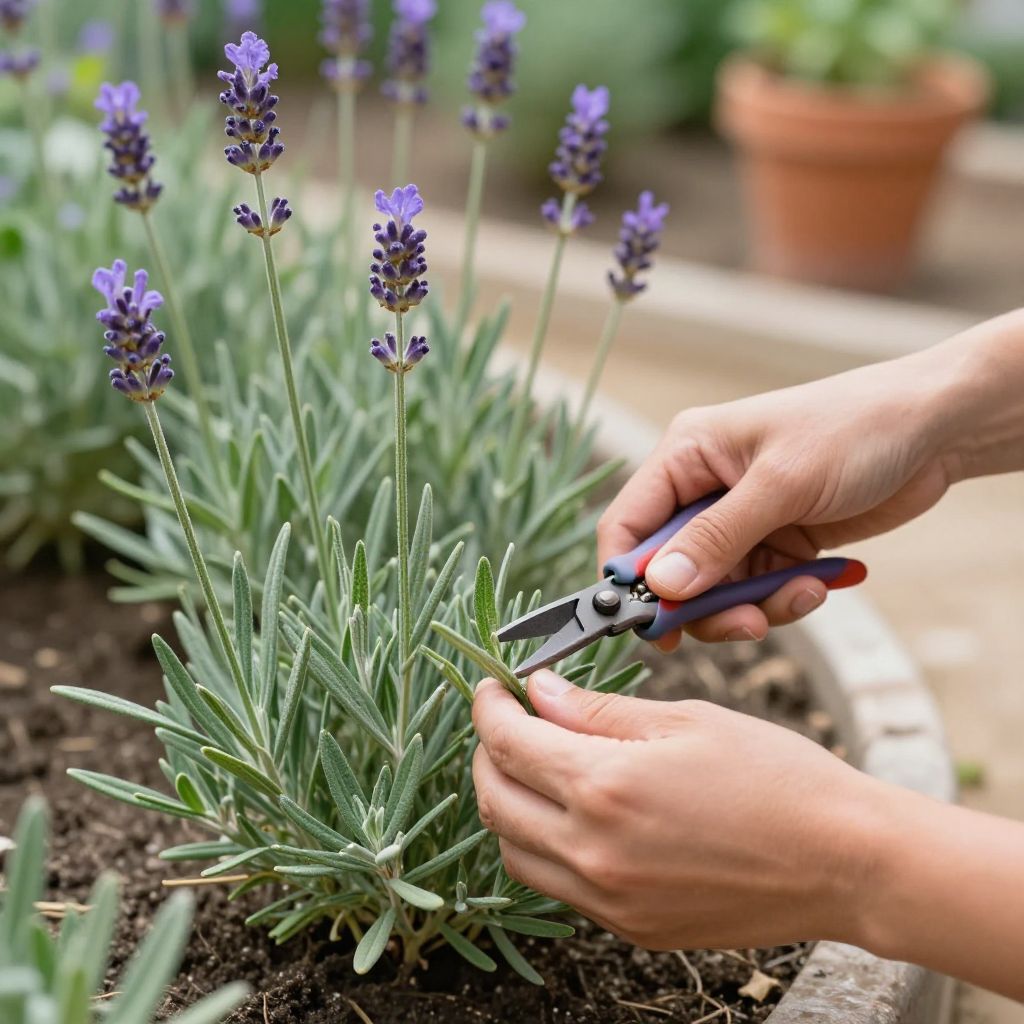
What should you do with lavender leaves after pruning, harvesting, or tidying the plant? In most cases, the answer is simple: use healthy lavender leaves as a fragrant garden material, and compost or discard any that are diseased, moldy, or pest-damaged. The best choice depends on whether the leaves are fresh, dry, clean, and what condition your plant is in.
Lavender leaves are useful, but they are not all equally valuable in the garden. Knowing when to keep them, when to compost them, and when to remove them completely helps you protect plant health and make the most of this drought-tolerant herb.
What to do with lavender leaves?
Healthy lavender leaves can be dried, used as mulch in very light amounts, added to the compost pile, or left on the plant if they are still green and healthy. Remove and discard leaves that show gray mold, black spotting, chewing damage, or signs of disease. The right choice depends on leaf condition and your garden’s airflow and moisture.
Start by checking the leaves
Before you decide what to do, look closely at the leaves and the plant itself. Lavender leaves should be narrow, gray-green, and aromatic, with a dry, slightly fuzzy texture. If they are yellowing, blackening, or collapsing, the issue may be watering, drainage, or disease rather than a normal seasonal shed.
Healthy leaves
- Dry, aromatic, and intact
- Free of mold, spotting, or sticky residue
- Often found after light pruning or natural shedding
Problem leaves
- Soft, brown, or blackened tissue
- White, gray, or fuzzy growth
- Leaves with pest damage or unusual spotting
Best ways to use healthy lavender leaves
If the leaves are clean and healthy, you have several practical options. Lavender foliage is naturally fragrant and works well in small-scale garden tasks, especially where you want a dry, low-moisture material.
1. Add them to the compost pile
Healthy lavender leaves can go into compost, but they break down best when mixed with other plant material. Because lavender is woody and fairly dry, it helps to combine it with softer green waste and keep the pile balanced.
- Chop leaves and small stems into shorter pieces if possible.
- Mix with grass clippings, vegetable scraps, or other green material.
- Turn the pile regularly so dry leaves do not mat together.
Tip: If your compost is already dry, moisten it lightly. Lavender foliage alone is too dry to decompose quickly.
2. Use them as a light mulch in the right place
Lavender leaves are not a heavy-duty mulch, but they can be used in thin layers around established plants in dry, sunny areas. Keep the layer light so air can move through it and moisture does not collect around stems.
- Use only a thin scattering, not a thick blanket.
- Keep mulch a few inches away from the crown of the plant.
- Avoid using it where soil stays wet for long periods.
This is best for Mediterranean-style borders, gravel gardens, and other well-drained beds where lavender already thrives.
3. Dry them for fragrance or craft use
Healthy lavender leaves can be dried alongside flower stems if you want to keep their scent for sachets, bundles, or garden crafts. Hang small bunches in a warm, airy, shaded place until the leaves feel crisp.
- Harvest on a dry day after morning dew has lifted.
- Remove damaged or dirty leaves first.
- Store dried leaves in a breathable container or sealed jar once fully dry.
Drying works best when the leaves are clean and the plant has not been sprayed with anything unsuitable for indoor use.
4. Leave some on the plant if they are healthy
Not every leaf needs to be removed. Lavender needs enough foliage to fuel growth, especially after pruning. If the leaves are healthy and the plant is still actively growing, leave them in place and focus on removing only dead, damaged, or crowded growth.
When to remove lavender leaves completely
Sometimes the safest option is to remove the leaves and dispose of them rather than composting them. This is especially important if the plant shows signs of disease or if the leaves came from a problem area on the plant.
Discard leaves if you see:
- Gray mold or fuzzy growth
- Blackened stems or leaf bases
- Persistent leaf spotting
- Insect infestation or heavy chewing damage
- Leaves from plants that were severely overwatered or rotting
If disease is suspected, do not add the material to a home compost pile unless you know your compost reaches and maintains high enough temperatures to break down pathogens reliably. For most home gardeners, disposal is the safer choice.
What lavender leaves can tell you about plant health
Lavender leaves often give early warning signs when the plant is unhappy. If you are wondering what to do with lavender leaves because they are dropping or changing color, the plant may need a care adjustment.
Yellowing leaves
Yellowing often points to too much water, poor drainage, compacted soil, or root stress. Lavender prefers free-draining soil and does not like sitting wet.
Brown or black leaves
These can indicate rot, fungal issues, cold damage, or severe stress from wet soil. Check the base of the plant and the root zone for soft tissue or sour-smelling soil.
Dry, crispy leaves
Very dry leaves may be a sign of drought stress, but they can also appear after normal seasonal aging or after pruning. If the plant is otherwise healthy, this is often not serious.
How to prune lavender without wasting useful leaves
Good pruning gives you useful foliage and helps keep the plant compact. The key is to trim lightly and avoid cutting into old woody stems that may not regrow well.
- Use clean, sharp pruners or snips.
- Remove spent flower stems first.
- Trim back soft green growth, leaving some leafy growth on each stem.
- Avoid cutting deep into bare woody wood unless you are removing dead material.
- Collect healthy leaves for composting, drying, or light mulch use.
Important: Never strip the plant too hard in one session. Lavender needs enough foliage to recover and stay vigorous.
Growing conditions that affect leaf quality
Healthy leaves are easier to use when the plant is growing in the right conditions. Lavender generally performs best in full sun, sharply drained soil, and a spot with good airflow. Heavy, wet soil often leads to weak growth and leaf problems.
Soil and drainage
Lavender prefers soil that drains quickly. If your soil stays wet after rain, consider planting on a raised bed, slope, or mound, or improving drainage with coarse organic matter where appropriate for your soil type.
Watering
Water young plants until established, but avoid frequent shallow watering once roots are set. Mature lavender usually prefers deeper, less frequent watering, depending on heat, rainfall, and soil type.
Sunlight
Lavender needs strong light to produce sturdy, aromatic foliage. In shade, the plant may become leggy and produce weaker leaves that are more prone to disease.
Common mistakes to avoid with lavender leaves
- Composting diseased leaves without knowing whether your pile gets hot enough.
- Using thick leaf mulch that traps moisture around the crown.
- Overpruning and removing too much healthy foliage at once.
- Ignoring drainage problems when leaves yellow or blacken.
- Leaving wet debris packed around the plant after rain or trimming.
Can you use lavender leaves around other plants?
Yes, but use caution. Lavender leaves are best around plants that also prefer dry, sunny, well-drained conditions. They are less suitable as mulch near moisture-loving plants because they do not improve water retention and can contribute very little organic bulk.
If you want to reuse the leaves in the garden, think of them as a light, fragrant material rather than a primary mulch. They are most helpful in small amounts and in the right setting.
Simple cleanup routine after pruning
After trimming lavender, a quick cleanup keeps the plant tidy and reduces the chance of disease. Gather all fallen leaves and stems, separate the healthy material from the questionable material, and decide immediately what to save, compost, or discard.
- Inspect the plant for healthy versus damaged leaves.
- Set aside clean foliage for drying or composting.
- Remove diseased or moldy material from the garden.
- Clear debris from the base so air can circulate.
- Check soil moisture before watering again.
Conclusion: make the leaves work for you
When you know what to do with lavender leaves, plant cleanup becomes easier and more useful. Keep healthy leaves for composting, drying, or very light mulch use, and remove anything that looks diseased or rotten. If your lavender leaves are looking poor, use them as a clue to check drainage, sunlight, and watering.
For more practical plant care guidance, you may also find it helpful to read about lavender pruning and maintenance and how to compost garden waste properly.