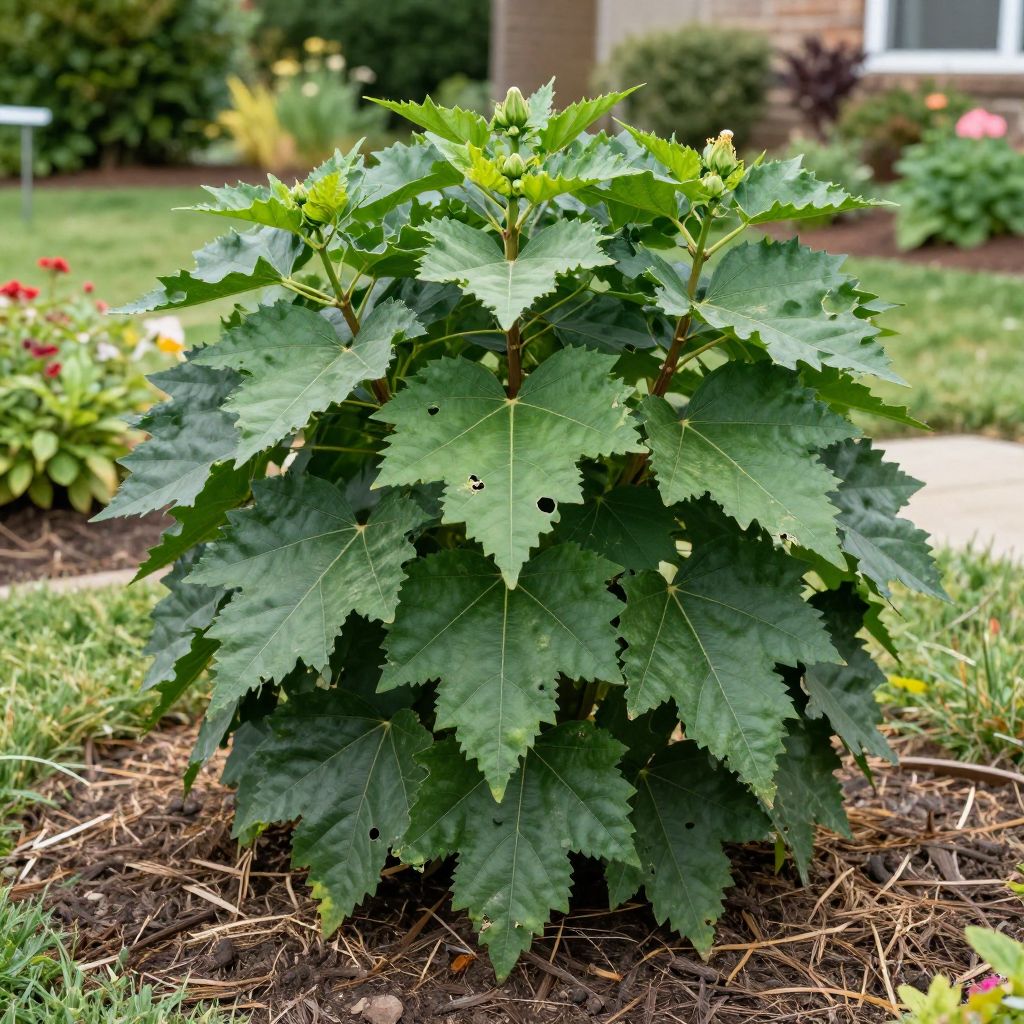
Are hibiscus deer resistant? Usually, no. Deer may browse hibiscus, especially when other food is scarce, and they can strip leaves, buds, and tender stems quickly. Some gardeners report less damage in certain areas, but hibiscus should be treated as a deer-attracting or deer-tolerated plant, not a deer-proof one.
If you want to grow hibiscus successfully in a deer-prone yard, the best approach is to combine smart plant placement with protection. With the right care, hibiscus can still thrive and bloom beautifully, even where deer are active.
Are Hibiscus Deer Resistant?
Hibiscus is generally not considered deer resistant. Deer often sample the foliage, flower buds, and soft new growth, especially on young plants or during dry weather and winter when other plants are limited. If deer pressure is high in your area, expect occasional browsing unless you actively protect the plant.
Why Deer Eat Hibiscus
Deer are opportunistic feeders. They tend to choose plants with tender, moisture-rich growth, and hibiscus fits that description well, especially in spring and early summer.
Parts of the plant deer may damage
- New leaves and shoots
- Flower buds before they open
- Soft stems on young plants
- Lower foliage that is easy to reach
In many gardens, deer do not completely destroy hibiscus overnight, but repeated browsing can stunt growth, reduce flowering, and leave the plant looking ragged.
Which Hibiscus Types Are Most Vulnerable?
Most common hibiscus types can be browsed by deer, including tropical hibiscus and hardy hibiscus. The main difference is not deer resistance, but how quickly the plant can recover after damage.
Tropical hibiscus
Hibiscus rosa-sinensis is often grown in warm climates or as a container plant. Its lush, tender growth can be appealing to deer, and potted plants at deer height may be especially vulnerable.
Hardy hibiscus
Hardy hibiscus, such as Hibiscus moscheutos and related hybrids, can grow quickly and produce large, showy blooms. Deer may still browse the foliage, particularly on fresh spring growth.
Rose of Sharon
Hibiscus syriacus is sometimes described as less attractive to deer than some other hibiscus types, but it is not reliably deer resistant. In hungry deer populations, it may still be damaged.
How to Protect Hibiscus from Deer
If deer visit your yard regularly, protection matters more than plant choice. A layered strategy works better than relying on one method alone.
1. Use physical barriers first
The most dependable protection is a barrier. Deer fencing, cages, or netted enclosures are more reliable than repellents alone.
- Use fencing tall enough to discourage jumping, especially in open areas.
- Protect young hibiscus with wire cages or temporary garden fencing.
- For container plants, move pots closer to the house, patio, or other human activity.
2. Apply deer repellents strategically
Repellents can help, but they work best when used early and reapplied after rain or new growth. They are most useful as part of a routine, not as a one-time fix.
- Start before deer begin browsing.
- Rotate products if deer become accustomed to one scent or taste.
- Focus on new growth, since that is often the first part deer target.
3. Reduce deer pressure around the planting site
Planting hibiscus near a porch, fence line, or busy path can reduce browsing pressure. Deer usually prefer quieter, easier-to-access areas.
- Place hibiscus near structures, lighting, or frequent foot traffic.
- Avoid planting at the edge of woods if deer are common there.
- Group hibiscus with other plants deer tend to avoid, if suitable for your site.
Best Growing Conditions for Healthy Hibiscus
Healthy, vigorous hibiscus can recover better from minor browsing and are less likely to decline after stress. Good growing conditions also help the plant bloom more heavily, which is often the main reason gardeners want it in the landscape.
Sunlight
Most hibiscus flower best in full sun, though some afternoon shade can help in very hot climates. Too much shade can reduce blooms and create lanky growth.
Soil
Hibiscus prefers soil that is rich, moist, and well-drained. Heavy clay that stays soggy can weaken roots, while very dry sandy soil may stress the plant and make it more vulnerable to pests and deer damage.
Compost and drainage
Mixing in compost can improve soil structure and moisture retention. If drainage is poor, raised beds or mounded planting can help prevent root problems.
- Work compost into the top layer of soil before planting.
- Avoid burying the crown too deeply.
- Do not let roots sit in standing water.
Watering
Water deeply enough to keep the root zone evenly moist, especially during establishment and hot weather. Young plants need more attention than established ones, but the exact frequency depends on your soil, rainfall, and temperature.
Check the soil with your finger before watering. If the top inch or two is dry and the plant is actively growing, it is usually time to water.
Pruning and Care After Deer Damage
If deer have nipped your hibiscus, do not rush to prune everything immediately. First, assess how much healthy tissue remains and whether the plant is still actively growing.
What to do after browsing
- Remove only obviously torn or broken stems.
- Water the plant well if the soil is dry.
- Feed lightly only if the plant is otherwise healthy and actively growing.
- Watch for new buds and shoots over the next few weeks.
Severe browsing may delay flowering, but many hibiscus plants can rebound if the roots are healthy and the growing season is long enough.
When to prune
Prune according to the type of hibiscus you are growing and your local climate. In general, avoid heavy pruning right before a cold snap or during extreme heat. Remove dead or damaged wood first, then shape the plant as needed.
Common Problems That Look Like Deer Damage
Not every missing leaf is caused by deer. Before you blame browsing, look closely at the pattern of damage.
- Deer damage: ragged stems, missing buds, and browsed growth at reachable height
- Insect damage: holes, stippling, or curled leaves
- Heat or drought stress: wilting, leaf scorch, and dropped buds
- Root stress: yellowing, poor growth, and general decline
If damage appears overnight and the plant is clipped unevenly at about deer height, deer are the likely culprit.
Propagation and Replacing Damaged Plants
If deer have repeatedly damaged a hibiscus, you may want to propagate a healthy backup plant or replace it in a better-protected location.
Simple propagation options
- Softwood cuttings: useful for many hibiscus types when taken from healthy, non-flowering growth
- Division: sometimes possible for certain hardy hibiscus types, depending on the plant and season
Keep new plants protected from deer from the start. Young hibiscus are often the most tempting because their growth is tender and easy to reach.
Practical Mistakes to Avoid
Gardeners often lose hibiscus to deer because they rely on a single tactic or wait until browsing has already started.
- Do not assume hibiscus is naturally deer proof.
- Do not rely on repellents alone in high-pressure areas.
- Do not overfertilize, which can create lush growth deer may prefer.
- Do not plant too close to deer travel routes if you can avoid it.
- Do not let stressed plants sit in poor drainage or prolonged dry soil.
Can You Grow Hibiscus in a Deer-Prone Yard?
Yes, you can, but success depends on planning. If deer are common where you live, hibiscus is best treated as a plant that needs protection rather than a carefree landscape shrub.
Choose the right species for your climate, give it good sun and soil, and protect it early with fencing, cages, or repellents. A healthy hibiscus is more likely to recover from light browsing and still reward you with blooms.
If you are planning a deer-aware garden, it also helps to learn what deer tend to prefer in your area. You may find this guide useful: what to feed deer.