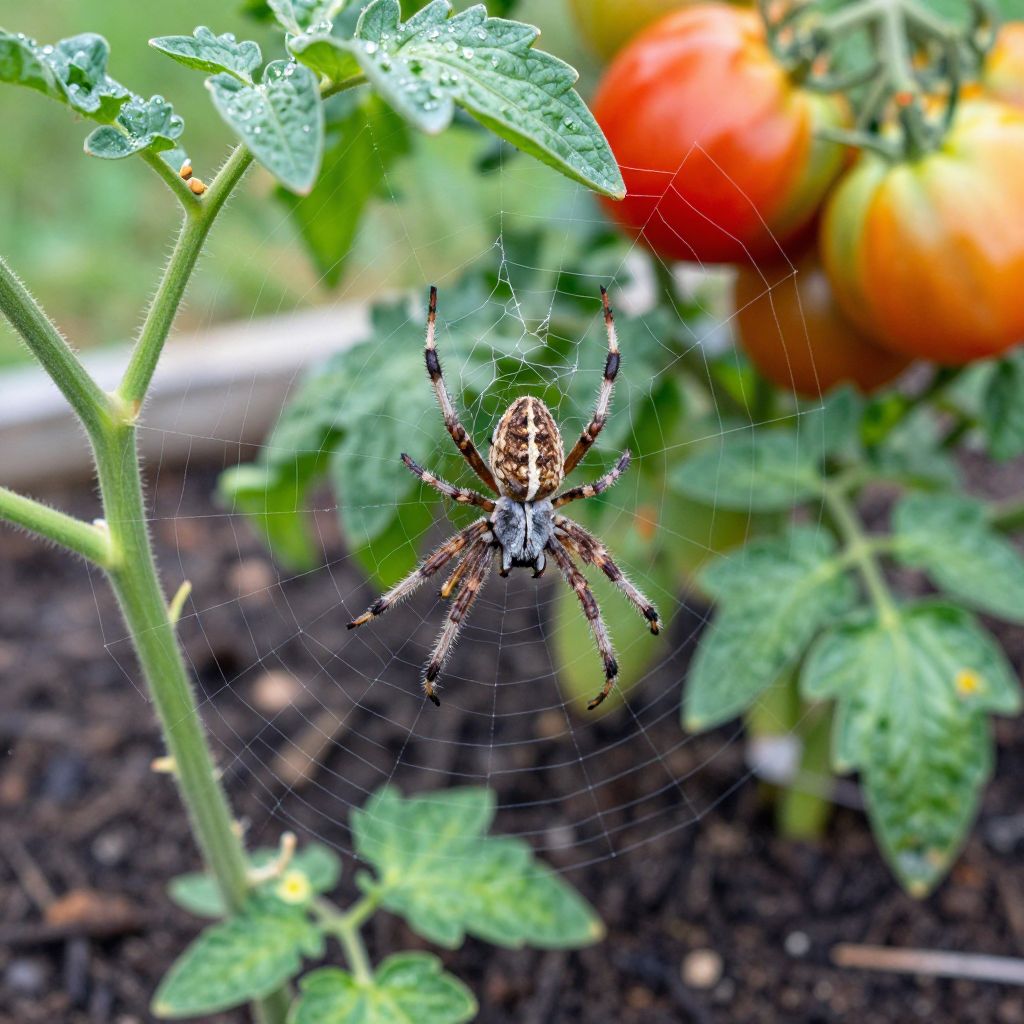
Do garden spiders bite? If you’ve spotted one in your beds, on a tomato cage, or stretched across a shrub, the short answer is yes, they can bite—but they usually don’t. Garden spiders are beneficial predators that help reduce many common garden pests, and they only bite when trapped, pressed against skin, or handled roughly.
For most gardeners, the bigger question is not whether they bite, but how to live comfortably with them. With a few simple habits, you can protect yourself while keeping these helpful spiders working in your landscape.
Do garden spiders bite?
Yes, garden spiders can bite, but bites are uncommon and usually mild. Most species are shy, avoid people, and bite only if they feel threatened or are accidentally pinned against skin. In the garden, they are generally more helpful than harmful because they catch insects that damage plants.
What garden spiders do in the landscape
Garden spiders are part of a healthy outdoor ecosystem. They build webs, hunt at night or from hidden spots, and feed on flying and crawling insects that can stress ornamentals and vegetables.
Why gardeners often want them around
- They help reduce flies, moths, beetles, and other nuisance insects.
- They can lower pressure from some pests near flowers, herbs, and vegetables.
- They are a sign of a garden with insect activity and shelter.
Common places you may find them
- Between shrubs and tall perennials
- Near trellises, fences, and tomato cages
- In corners of sheds, porches, and garden structures
- Among dense foliage where insects are active
If you see a large orb web in the morning, resist the urge to tear it down immediately. In many cases, that spider is quietly helping with pest control.
When a garden spider may bite
Garden spiders usually bite only as a defensive response. The most common situations are accidental contact, being trapped in clothing or gloves, or being touched while the spider is resting in foliage or a web.
Higher-risk situations for gardeners
- Reaching into dense plants without looking first
- Pulling weeds or pruning thick growth by hand
- Moving pots, boards, or stored tools where spiders shelter
- Wearing gloves or boots that have been left outdoors
Important: a spider bite is more likely when the spider cannot escape. Most spiders prefer retreat over confrontation.
What a garden spider bite usually feels like
For many people, a garden spider bite may feel like a small pinprick, mild burning, or localized irritation. Some bites leave slight redness or swelling, while others cause very little reaction at all.
Typical mild symptoms
- Small red mark or two tiny punctures
- Mild itching or stinging
- Localized swelling
- Temporary tenderness around the bite site
If symptoms spread quickly, become severe, or you feel unwell, seek medical advice. It is always better to be cautious if you are unsure what bit you.
How to garden safely around spiders
You do not need to eliminate garden spiders to stay safe. A few practical habits can greatly reduce the chance of being bitten while still preserving beneficial wildlife in your planting areas.
Simple prevention steps
- Look before you reach. Check under leaves, around stems, and inside dense growth before putting your hands in.
- Wear gloves. Use sturdy gardening gloves when pruning, weeding, or moving debris.
- Shake out gear. Inspect gloves, boots, hats, and kneeling pads before use.
- Use tools instead of fingers. A hand fork, pruners, or trowel keeps your hands farther from hidden spiders.
- Work in daylight when possible. It is easier to spot webs and resting spiders.
Good habits when pruning and weeding
- Lift foliage gently rather than grabbing it.
- Cut back overgrowth in stages so you can see what is inside.
- Move compost, mulch, and stored materials carefully.
- Keep clutter down around sheds and beds where spiders can shelter.
Should you remove garden spiders from plants?
Usually, no. If the spider is outside and not causing a problem, leaving it alone is often the best choice for your garden. They are not plant pests, and they do not chew leaves, roots, or stems.
When removal may make sense
- The web is blocking a doorway, path, or frequent work area
- You need to prune or harvest from the plant and want to avoid contact
- The spider is indoors or in a storage area where people regularly reach
If you need to move one, use a container and a piece of cardboard rather than handling it directly. Avoid crushing spiders against stems, pots, or gloves.
How spider activity relates to plant care
Spider presence often reflects the structure of your planting area. Dense foliage, sheltered corners, and abundant insects create ideal conditions for webs and hunting.
Garden conditions that attract spiders
- Thick shrubs and layered borders
- Flowering plants that draw insects
- Mulched beds with hiding places
- Low-disturbance areas such as fence lines and perennial borders
This is not a sign of poor plant health. In many gardens, spiders simply appear where food and shelter are available.
When spider webs can interfere with plant maintenance
Webs can occasionally catch on stems during pruning, harvesting, or deadheading. If you are working in a bed with heavy spider activity, move slowly and use clippers rather than sweeping your hands through the foliage.
How to reduce unwanted spider encounters without harming the garden
If you prefer fewer spiders near seating areas, paths, or entry points, focus on habitat management rather than broad insect control. The goal is to make the area less inviting to spiders while keeping the rest of the garden balanced.
Practical ways to discourage them near work areas
- Trim back plants that touch walkways and doors.
- Remove stacked pots, boards, and debris where they can hide.
- Keep outdoor storage tidy and off the ground when possible.
- Clean webs regularly from porches and high-traffic spots.
- Use lighting thoughtfully, since lights can attract insects that spiders feed on.
Avoid heavy pesticide use if your goal is simply fewer spiders. Broad insect sprays can also reduce beneficial insects and upset the natural balance that supports a healthy garden.
Garden spider bites versus other garden pests
Not every bite or sting in the garden comes from a spider. Mosquitoes, ants, bees, wasps, and biting flies can all cause similar discomfort, especially when you are working in warm weather with exposed skin.
How to tell if a spider is the likely cause
- The bite happened while handling plants, mulch, or stored items
- You felt a quick pinch rather than a flying insect landing on you
- There was a spider nearby or in the item you moved
- The irritation stayed localized rather than appearing in multiple spots
Because several garden insects can cause skin reactions, it is not always possible to identify the exact culprit. Treat the area gently and monitor how it changes.
What to do if you think a garden spider bit you
Most minor bites can be managed with basic first aid. Clean the area, reduce irritation, and watch for changes over the next day or two.
Simple first-aid steps
- Wash the area with soap and water.
- Apply a cool compress for 10 to 15 minutes at a time.
- Avoid scratching, which can worsen irritation.
- Keep the area clean and dry.
- Watch for increasing redness, swelling, or pain.
If you develop severe symptoms, spreading rash, trouble breathing, fever, or significant swelling, get medical help promptly. If possible, note the spider’s appearance without trying to capture it with bare hands.
How to make your garden less bite-prone over time
A well-managed garden is easier to work in and less likely to surprise you with hidden wildlife. Good maintenance reduces accidental contact with spiders and other creatures that shelter in overgrown areas.
Maintenance tips that help
- Keep paths clear so you do not brush against plants unexpectedly.
- Prune shrubs and perennials to maintain airflow and visibility.
- Lift fallen leaves and debris from corners and under benches.
- Store gloves and tools indoors or in sealed bins when practical.
- Check irrigation lines, pots, and supports before reaching behind them.
These habits also improve plant health by reducing crowding, improving access for watering, and making pest scouting easier.
Conclusion: keep the benefits, avoid the bite
Garden spiders can bite, but they usually do so only when threatened, trapped, or handled. For most gardeners, the best approach is simple: wear gloves, look before you reach, and leave beneficial spiders alone when they are not in your way.
If you want to learn more about safe, low-stress garden maintenance, related reading on pest-aware gardening and plant care can help you manage your beds with confidence.