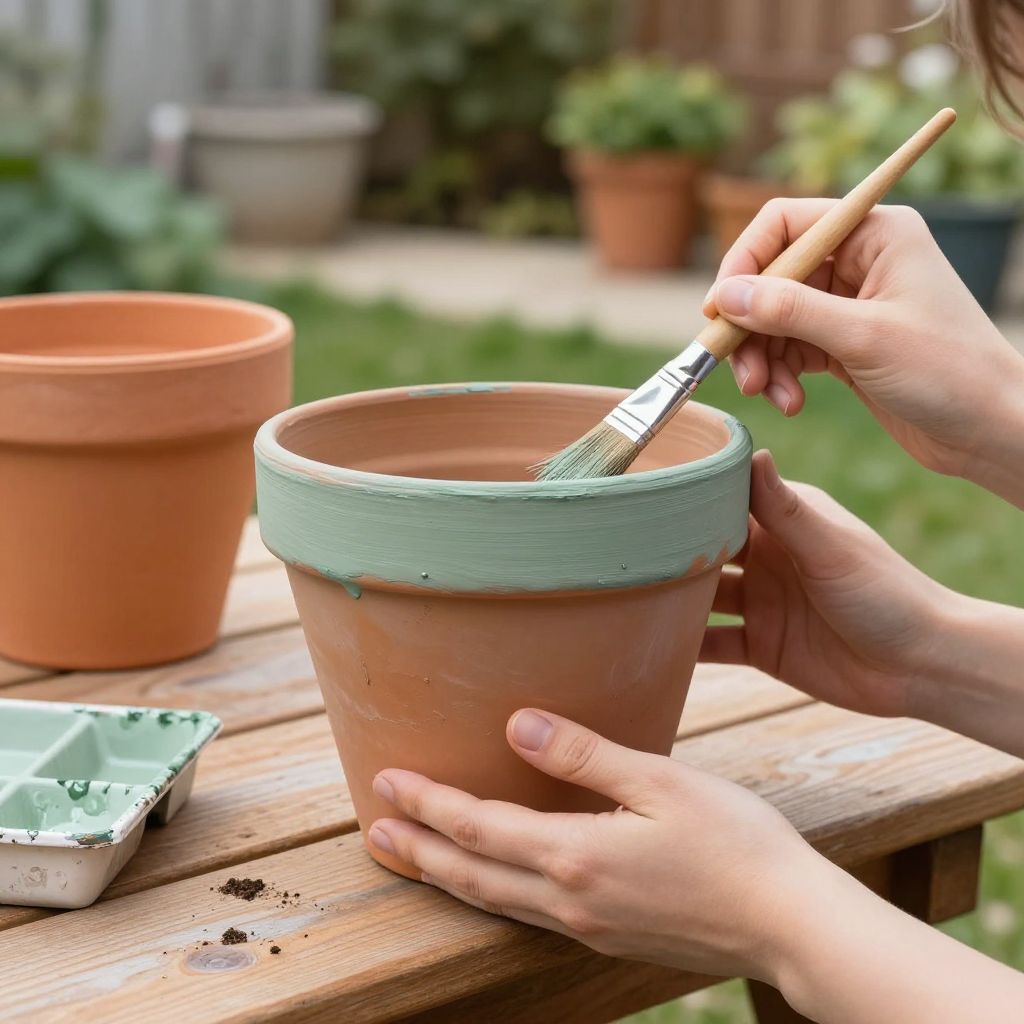
Can you paint terracotta pots? Yes—you can, and it’s a simple way to refresh old containers, match your garden style, or label herbs and flowers more clearly.
The key is to use the right paint, prep the surface properly, and remember that terracotta is porous. If you paint it the wrong way, the finish can peel, trap moisture, or affect drainage and plant health.
Can you paint terracotta pots?
Yes, terracotta pots can be painted successfully if they are clean, dry, and properly sealed or primed first. For the best results, use exterior acrylic paint or spray paint made for ceramics or masonry, and keep the drainage hole open so the pot still functions well for plants.
Why terracotta is different from other pots
Terracotta is made from fired clay, so it absorbs water through its walls. That porosity is one reason gardeners like it: the pot dries faster and helps reduce soggy soil in many situations.
Painting changes the surface, so you need to think about both appearance and plant care. A thick coating can reduce breathability, while a poor paint job can chip quickly outdoors.
What painting can affect
- Moisture movement: Painted pots dry more slowly than unpainted terracotta.
- Temperature: Dark colors can heat up in full sun.
- Durability: Outdoor pots face rain, sun, and frost, which can break down paint.
- Drainage: Paint should never block the drainage hole.
Best paints for terracotta pots
Choose paint that adheres well to clay and stands up to weather if the pot will live outdoors. The best option for most gardeners is a water-based exterior acrylic paint or a specialty spray paint labeled for ceramic, masonry, or outdoor use.
Good options
- Exterior acrylic paint: Easy to brush on and available in many colors.
- Chalk paint: Works well for decorative indoor pots, but usually needs sealing outdoors.
- Spray paint for ceramics/masonry: Good for smooth, even coverage.
- Waterproof sealer or outdoor varnish: Helpful as a topcoat if the pot will be exposed to weather.
What to avoid
- Thick oil-based coatings that may crack or take too long to cure.
- Paints that are not intended for outdoor use on pots kept outside.
- Heavy layers that can flake when the clay expands and contracts.
How to paint terracotta pots step by step
Painting works best when the pot is completely dry and free of dust, salts, and old debris. If you rush the prep, even good paint may peel or bubble later.
- Clean the pot. Scrub off soil, algae, and dust with warm water and a brush. If there are white mineral deposits, wipe them away and let the pot dry fully.
- Remove old finish if needed. If the pot has peeling paint, sand the loose areas lightly so the new coat can grip.
- Let it dry completely. Terracotta can hold moisture deep inside. Allow at least a full day of drying in a warm, airy spot, longer if the pot was recently used.
- Prime if needed. A primer designed for masonry or ceramics can improve adhesion, especially on bare terracotta or glossy decorated pots.
- Apply thin coats. Use several light coats rather than one heavy one. Let each coat dry according to the product label.
- Seal the finish if appropriate. For outdoor pots, a clear exterior sealer can help protect the paint from rain and sun.
- Keep the drainage hole open. Paint around it carefully so excess water can escape.
Helpful tools
- Soft brush or sponge
- Fine sandpaper
- Primer for masonry or ceramics
- Paintbrushes or spray paint
- Clear outdoor sealer
- Painter’s tape for clean edges or patterns
Should you paint the inside of a terracotta pot?
In most cases, it’s better to leave the inside unpainted. The inside is constantly exposed to moisture, potting mix, and root contact, so paint there is more likely to wear down or affect drainage and airflow.
If you do paint the inside for a decorative project, use a product that is clearly safe for the intended use and allow it to cure fully. Even then, many gardeners prefer to paint only the outside and rim.
How painted terracotta affects plant care
Painted terracotta can still be a good container for herbs, annual flowers, succulents, and many houseplants, but you may need to adjust watering. Because the pot no longer breathes as freely, the soil can stay moist a little longer.
Watering adjustments
- Check the soil with your finger before watering.
- Water when the top layer is dry, not on a fixed schedule.
- Expect slower drying in cool, humid, or shaded spots.
- Expect faster drying in hot, windy, or sunny locations, especially with dark-colored paint.
Do not assume a painted terracotta pot behaves exactly like an unpainted one. The surface finish changes how quickly the pot and soil lose moisture, so monitor the plant closely after painting.
Best plants for painted terracotta pots
- Herbs such as basil, thyme, parsley, and chives
- Annual bedding plants
- Small succulents and cacti
- Houseplants grown indoors
- Small ornamental grasses or compact foliage plants
Indoor vs outdoor painted pots
Indoor painted pots are easier to maintain because they are protected from rain, frost, and harsh sun. Outdoor pots need tougher paint, a durable sealer, and more attention to seasonal wear.
For indoor use
- Decorative finishes usually last longer.
- Lightweight acrylic or chalk paint is often enough.
- You can use more delicate patterns and finishes.
For outdoor use
- Choose weather-resistant paint and sealer.
- Expect some fading over time.
- Move pots under cover in winter if frost is common in your area.
- Raise pots slightly off the ground so water can drain freely.
Common mistakes to avoid
Most paint problems come from poor preparation or using the wrong product. A little extra care at the start saves you from flaking paint and frustrated plants later.
- Painting a damp pot: Moisture trapped in the clay can cause bubbling or peeling.
- Using one thick coat: Thin coats last longer and look smoother.
- Blocking the drainage hole: This can lead to waterlogged roots.
- Skipping primer on bare clay: Paint may not bond well.
- Ignoring weather exposure: Outdoor pots need tougher finishes than indoor ones.
- Using dark colors in full sun: The pot can heat up and stress roots.
How to refresh or repaint old painted terracotta
If an older pot is chipped or faded, you can repaint it instead of replacing it. The process is similar, but surface preparation matters even more.
- Remove loose paint with a scraper or sandpaper.
- Wash off dust and let the pot dry completely.
- Apply primer where bare terracotta is exposed.
- Repaint in thin coats.
- Seal the finish if the pot will be outdoors.
If the old finish is badly cracked or flaking in layers, stripping it back as much as possible gives the new paint a better chance of lasting.
Design ideas that work well in the garden
Painted terracotta can be practical as well as decorative. Simple designs often age better outdoors than highly detailed finishes.
- Paint the rim a single accent color.
- Use labels or herb names on the front of the pot.
- Create stripes, dots, or color blocks for a cottage-garden look.
- Use muted earth tones to blend with planting beds.
- Choose light colors for sunny patios to reduce heat buildup.
Seasonal care for painted terracotta pots
Seasonal changes affect both the pot and the plant inside it. In wet weather, check for trapped moisture. In hot weather, monitor for faster drying and fading paint.
In wet or humid seasons
- Make sure the pot drains freely after rain.
- Elevate the pot on feet or bricks.
- Watch for algae or mildew on the painted surface.
In cold weather
- Move pots to a sheltered spot if frost is expected.
- Empty and store decorative pots if they are not frost-resistant.
- Avoid letting water sit in the saucer or around the base.
Final answer: is it worth painting terracotta pots?
Yes, painting terracotta pots is worth it if you want a decorative container and you are willing to prep it properly. The best results come from clean, dry pots, thin coats of suitable paint, and careful watering after planting.
If you want more container-growing ideas, you may also enjoy reading about how to choose the right potting mix for containers and simple container gardening tips for healthy plants.