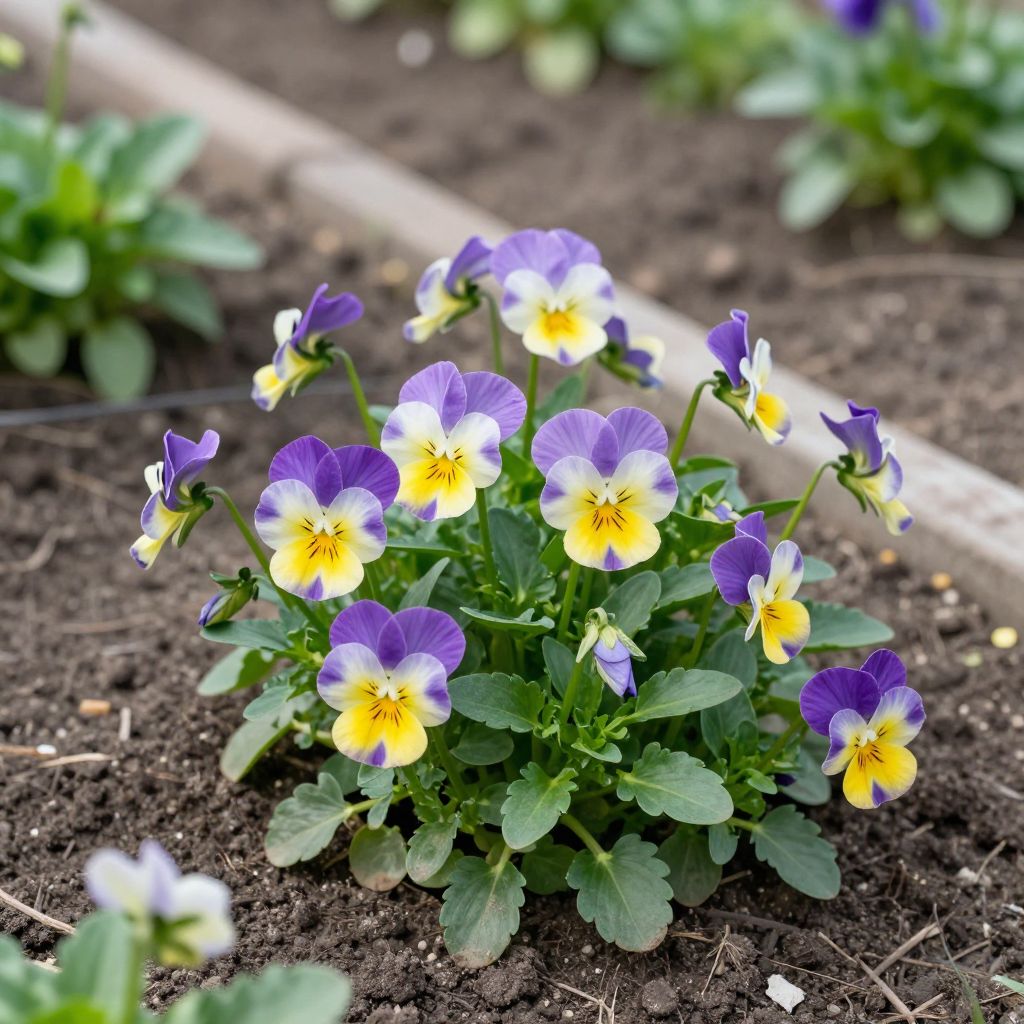
Do pansies bloom all summer? They can, but only in cooler conditions and with steady care. In many gardens, pansies slow down or stop flowering once heat arrives, then recover when temperatures cool again. If you want long bloom time, the key is to treat them as cool-season flowers and keep them from drying out or overheating.
With the right site, regular deadheading, and a little protection from hot afternoon sun, pansies can keep producing flowers far longer than many gardeners expect. The trick is understanding what they like, what makes them fade, and when it is better to replace them with heat-loving annuals.
Do pansies bloom all summer?
Pansies usually do not bloom all summer in hot climates. They flower best in cool weather, often in spring and again in fall, and may decline during prolonged heat. In mild summers, especially with partial shade and consistent moisture, they can keep blooming longer, but summer performance depends heavily on your local temperatures.
Why pansies slow down in summer heat
Pansies are cool-season plants, and heat is their main limiting factor. When daytime temperatures rise, they often produce fewer flowers, become leggy, and may stop blooming altogether.
What heat does to pansies
- Flowering drops as temperatures climb.
- Plants may stretch and look sparse.
- Leaves can wilt faster between waterings.
- Older plants often decline after a strong heat spell.
In many regions, pansies are treated as spring and fall annuals for this reason. They are not true summer bedding plants like zinnias or marigolds.
When summer bloom is more likely
Pansies may continue flowering through summer if your climate stays relatively cool, or if they are grown in a sheltered spot with morning sun and afternoon shade. Coastal areas, mountain gardens, and cooler northern summers often give better results than hot inland locations.
How to keep pansies blooming longer
You cannot change the weather, but you can reduce stress. The best summer pansy care focuses on cooler roots, steady moisture, and prompt cleanup of faded flowers.
1. Give them the right light
Pansies bloom best with morning sun and afternoon shade in warmer weather. In cooler climates, they can handle more sun, but strong afternoon heat usually shortens bloom time.
- Choose a spot with 4 to 6 hours of sun if summers are mild.
- Use filtered light or light shade during hot afternoons.
- Avoid reflected heat from walls, paving, or metal containers.
2. Keep the soil evenly moist
Dry soil causes stress and can stop flowering. Water deeply when the top inch of soil feels dry, especially in containers and raised beds.
- Water early in the day so foliage dries before evening.
- Use mulch around garden plants to help keep roots cooler.
- Containers may need watering more often than in-ground plantings.
Try not to let pansies swing between bone-dry and waterlogged. Both extremes reduce bloom quality.
3. Use well-drained, fertile soil
Pansies prefer loose, rich soil that drains well but still holds moisture. Heavy, compacted soil can suffocate roots and weaken plants during warm weather.
- Work in compost before planting to improve texture and moisture retention.
- In pots, use a quality potting mix rather than garden soil.
- Make sure containers have drainage holes.
4. Deadhead spent flowers
Removing faded blooms helps pansies keep producing new buds. If old flowers are left to form seed, the plant often slows down sooner.
- Pinch off faded flowers just below the bloom.
- Remove any seed pods that form.
- Trim weak, stretched stems to encourage a tidier plant.
This is one of the simplest ways to extend bloom time. It will not make pansies tolerate heat, but it can keep them looking better for longer.
5. Feed lightly, not heavily
Pansies do not need aggressive feeding. A balanced, light feeding can support flowering, but too much nitrogen may produce leafy growth with fewer blooms.
- Use a gentle, balanced fertilizer if the soil is poor.
- Avoid overfeeding containers, which can lead to soft growth.
- If plants are healthy but not blooming, check heat and light first.
Best growing conditions for summer success
If you want the best chance of summer bloom, match the plant to the site. Pansies perform best when temperatures are moderate and roots stay cool.
Ideal conditions to aim for
- Cooler temperatures rather than prolonged heat
- Moist, well-drained soil
- Partial shade in warm weather
- Regular deadheading
- Good air movement without scorching sun
In containers, use larger pots when possible. Bigger containers dry out more slowly and buffer root temperature better than small ones.
Container tips
Container-grown pansies often struggle more in summer because potting mix heats up quickly. If you grow them in pots, place the container where it gets morning sun and afternoon shade, and check moisture frequently.
- Choose light-colored pots to reduce heat buildup.
- Group containers together for a cooler microclimate.
- Lift pots off hot surfaces to improve drainage and airflow.
Common reasons pansies stop blooming
If your pansies are green but flowerless, one or more stress factors is usually involved. The good news is that most are easy to identify.
Heat stress
This is the most common reason. Once temperatures stay high, pansies often pause blooming no matter how well you care for them.
Too much shade
Deep shade can reduce flower production. Pansies need some sun to bloom well, even in summer.
Dry soil
Wilting, drought stress, and irregular watering can all reduce bloom count and shorten the plant’s life.
Overfeeding with nitrogen
Too much nitrogen encourages leaf growth instead of flowers. If the plant looks lush but refuses to bloom, fertilizer may be part of the problem.
Old age
Pansies are short-lived in warm weather. Even with excellent care, many plants naturally fade as the season progresses.
Pests and diseases that affect blooming
Healthy foliage supports better flowering, so it helps to watch for common problems. Pansies are not especially difficult, but pests and disease can weaken them fast.
Common pests
- Aphids on tender growth and buds
- Slugs and snails, especially in damp, shaded spots
- Spider mites in hot, dry conditions
Check buds and leaf undersides if flowers look distorted or growth seems stalled. A strong spray of water can dislodge aphids, while hand-picking or barriers may help with slugs.
Common diseases
- Powdery mildew in poor air circulation
- Root rot in soggy soil
- Leaf spots during wet, humid weather
To reduce disease risk, avoid overhead watering late in the day and remove badly affected leaves promptly. Good spacing also helps air move around the plants.
Should you keep pansies through summer or replace them?
That depends on your climate and how the plants look. If your pansies are still compact, green, and producing some flowers, you can often nurse them through a mild summer. If they are leggy, tired, and bloomless, replacement may be the better choice.
Keep them if:
- Summer temperatures stay moderate
- The plants still have strong foliage
- You can give them shade and consistent moisture
Replace them if:
- Heat is extreme or prolonged
- Plants are sparse and woody
- Blooming has nearly stopped
In many gardens, it makes sense to enjoy pansies in spring, then switch to heat-tolerant annuals for the hottest months. You can often plant pansies again when cooler weather returns.
How to refresh tired pansies
If your pansies are struggling but not completely finished, a light reset may help them recover temporarily.
- Remove all faded flowers and seed heads.
- Trim back leggy stems lightly.
- Water deeply and keep the soil evenly moist.
- Move containers to a cooler location if possible.
- Check for aphids, mildew, or root problems.
This will not make heat-loving summer bloom happen, but it may buy you a few more weeks of color in a mild season.
Can you propagate pansies for later use?
Gardeners usually grow pansies from seed or buy transplants, but if you want more plants, seed is the most practical route. For home gardeners, it is often easier to sow fresh plants for the next cool season than to try to keep old ones going all summer.
If you collect seed, remember that hybrid pansies may not come true from saved seed. For predictable results, buy named varieties or fresh transplants when the weather cools again.
Bottom line for summer pansy care
Pansies are not reliable all-summer bloomers in hot weather, but they can keep flowering longer if you give them partial shade, cool roots, steady moisture, and regular deadheading. In mild climates, they may surprise you with extended bloom; in hot climates, they are usually best treated as cool-season flowers.
If you want to plan your next planting, look at your local summer temperatures first, then choose the right spot and care routine to match. For more seasonal flower advice, you may also want to read about cool-season annuals and container planting basics.