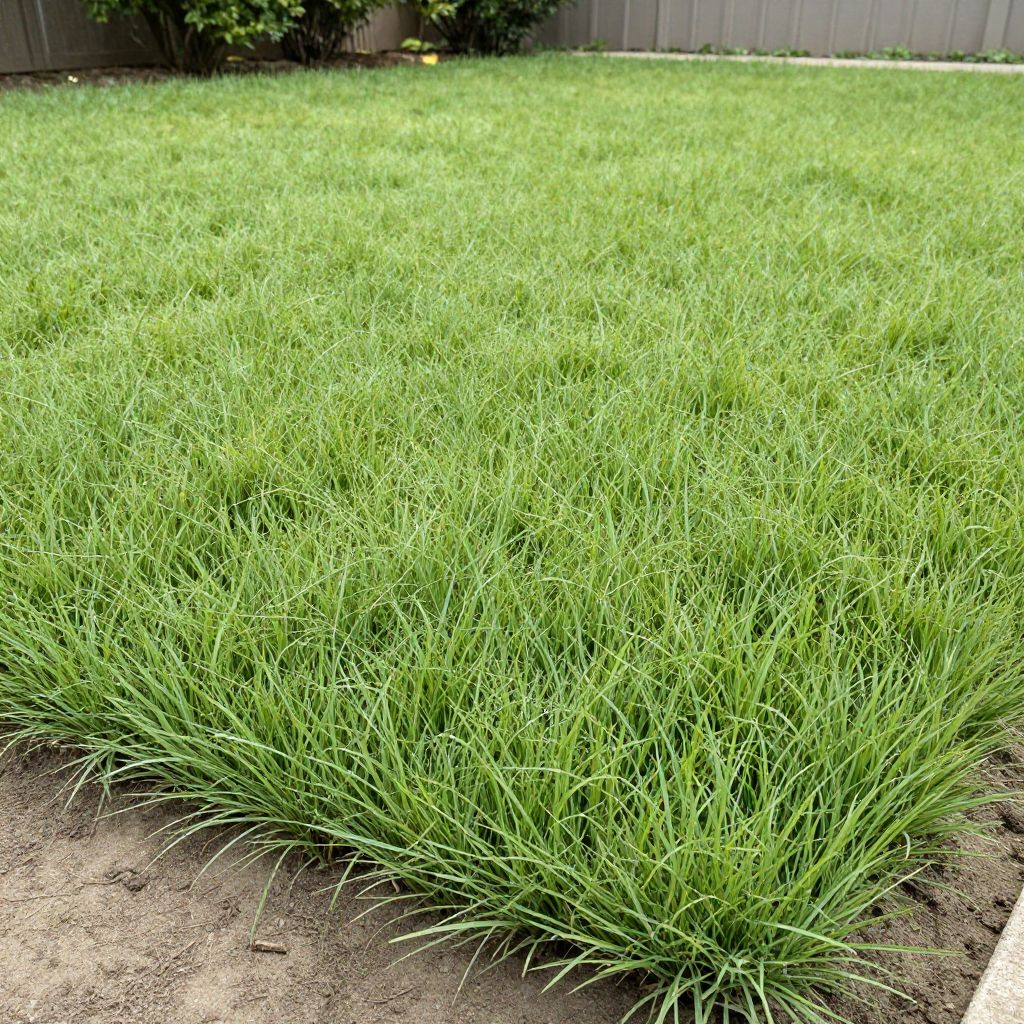
Are you trying to figure out what does centipede grass look like before you plant it, mow it, or decide whether it’s taking over your lawn? Centipede grass has a distinct look once you know its key traits: light to medium apple-green color, coarse-to-medium blades, and a low, spreading growth habit that forms a dense turf in warm climates.
It’s often mistaken for other warm-season grasses, especially St. Augustine, zoysia, and Bermuda. The easiest way to identify it is by looking at the blade shape, growth pattern, seedhead, and how the lawn behaves through the season.
What does centipede grass look like?
Centipede grass (Eremochloa ophiuroides) usually looks like a low, carpet-like lawn with light green blades that are flatter and wider than Bermuda grass but narrower and less coarse than St. Augustine. It spreads by above-ground runners, forms a dense mat in full sun, and often has a slightly “apple-green” color when healthy.
Key visual features of centipede grass
Blade color and texture
Healthy centipede grass is typically a pale to medium green, sometimes described as apple-green. The blades are medium-width and feel somewhat coarse compared with fine-bladed grasses, but the lawn usually looks softer and less wiry than Bermuda.
The leaves are flat and pointed, and the turf can look a little sparse if it is growing in poor soil or too much shade. When it is happy, though, it forms a thick, even surface.
Growth habit
Centipede grass grows low and spreads horizontally by stolons, which are creeping stems that root at the nodes. This gives it a spreading, mat-forming appearance rather than an upright bunching habit.
One important clue: centipede grass does not usually create the same dense, aggressive runner network you see in Bermuda. It spreads more slowly and often looks calmer and less invasive.
Leaf blades and stems
The blades are attached alternately along the stems and tend to lie fairly flat. The stems can root where they touch the soil, helping the lawn fill in bare spots over time.
If you pull up a small section, you may notice shallow roots and creeping stems rather than deep, thick rhizomes. That shallow rooting is one reason centipede grass can be sensitive to drought and foot traffic.
Seedheads
In warm weather, centipede grass may produce a distinctive seedhead with a narrow, finger-like appearance. The seedhead often has a single central stem with short side branches, giving it a somewhat spiky look.
Seedheads can help with identification, especially if the lawn is mowed a little higher and allowed to flower. They are not always present, so don’t rely on them alone.
How to tell centipede grass apart from similar lawns
Centipede grass vs. Bermuda grass
- Color: Centipede is usually lighter green.
- Texture: Centipede blades are coarser and broader.
- Growth: Bermuda is finer, denser, and more aggressive.
- Look: Bermuda often appears more manicured and tight-knit.
If your lawn has very fine blades and spreads rapidly into flower beds, it is more likely Bermuda than centipede.
Centipede grass vs. St. Augustine grass
- Blades: St. Augustine has much wider, thicker blades.
- Stems: St. Augustine often has obvious thick stolons.
- Appearance: St. Augustine looks broader, heavier, and more lush.
- Shade tolerance: St. Augustine usually handles more shade than centipede.
If the lawn has broad, chunky blades and a very lush look, it is probably not centipede grass.
Centipede grass vs. zoysia grass
- Texture: Zoysia is often denser and more carpet-like.
- Feel: Zoysia can feel stiffer or more bristly.
- Growth: Zoysia usually forms a tighter, slower-growing turf.
- Color: Zoysia often has a deeper green tone.
Zoysia can look very similar at a glance, but centipede usually has a lighter color and a looser, less rigid texture.
What conditions make centipede grass look its best?
Centipede grass looks best in full sun, acidic soil, and well-drained conditions. It prefers warm climates and does not like heavy shade, compacted soil, or frequent overwatering. In ideal conditions, the lawn appears even, lightly textured, and low-growing.
Sunlight
Full sun is best. In too much shade, centipede grass often becomes thin, stretched, and patchy. If your lawn is under trees or beside buildings, the grass may look weaker than expected even if it is the correct species.
Soil and drainage
Centipede grass generally prefers acidic soil and does not perform well in heavy clay that stays wet. Poor drainage can make the lawn look yellow, thin, or unhealthy.
If your soil is compacted or holds water after rain, the grass may not show its typical dense look. Improving drainage and reducing compaction can make a noticeable difference.
Watering
When established, centipede grass usually looks best with deep, infrequent watering rather than frequent shallow watering. Too much moisture can encourage disease and weak growth.
Under drought stress, the blades may curl, dull in color, or turn straw-like at the tips. That stressed appearance can make identification harder, so check the growth habit and blade shape too.
How to identify centipede grass in your yard
- Look at the color. Centipede grass is usually light to medium green, not dark blue-green.
- Check blade width. The blades are medium-width, flatter, and pointed.
- Study the growth pattern. It spreads by runners and forms a low mat.
- Inspect the stems. You should see creeping stolons that root at nodes.
- Watch for seedheads. Finger-like seedheads can appear in warm weather.
- Compare it to neighboring turf. If it is less aggressive than Bermuda and finer than St. Augustine, centipede is a strong candidate.
If you are still unsure, pull a small section from the edge of the lawn and compare the blade width, runner type, and rooting pattern against known grass samples or local extension photos.
Planting and establishing centipede grass
If you are planting centipede grass, the goal is to create a stable, weed-resistant lawn without pushing it too hard. It establishes more slowly than some other warm-season grasses, so patience matters.
Best establishment methods
- Seed: Useful where available, but germination and establishment can be slower.
- Sod: Gives the fastest finished look.
- Plugs or sprigs: Good for filling in areas gradually.
Choose the method that matches your timeline, budget, and local climate. In many home landscapes, sod gives the quickest visual result, while plugs are a practical option for larger areas.
Soil preparation basics
- Remove existing weeds and debris.
- Loosen compacted soil where possible.
- Improve drainage if water collects after rain.
- Test soil if you can, especially if the lawn has been struggling.
Avoid overapplying lime unless a soil test shows it is needed. Centipede grass often prefers more acidic soil than many other lawn grasses.
Common problems that change how centipede grass looks
Yellowing or pale color
Centipede grass can turn pale from nutrient imbalance, poor drainage, overwatering, or stress from cold or shade. A yellow lawn does not always mean the grass is dead.
Check whether the soil is staying wet, whether the area gets enough sun, and whether the lawn has been overfertilized. Centipede grass is sensitive to excessive nitrogen and can decline if fed too heavily.
Thin or patchy growth
Thin turf often points to shade, compaction, pest damage, or poor site conditions. It may also happen if the grass is young and still spreading.
To improve the look, reduce shade where possible, aerate compacted soil if appropriate for your lawn, and patch bare areas with plugs or sod pieces.
Brown tips or straw-like areas
Brown tips can come from drought, mowing too low, or disease pressure. Centipede grass should be mowed at the correct height for your lawn and kept from becoming scalped.
Scalping makes the lawn look rough and uneven, and it can expose stems and soil. Adjust your mower before cutting, especially if the grass has grown taller than usual.
Pests and diseases
Centipede grass can be affected by lawn pests and fungal problems, especially when stressed. A lawn that suddenly looks patchy, discolored, or weak should be inspected closely.
- Look for chewing damage or thinning from insects.
- Check for irregular brown patches that may suggest disease.
- Review watering habits and drainage first, since excess moisture often worsens problems.
If you suspect a serious pest or disease issue, local extension guidance is often the most reliable next step because symptoms can overlap.
Maintenance tips to keep centipede grass looking right
Mowing
Mow often enough to remove only a small amount of leaf blade at a time. Cutting too short can weaken centipede grass and make it look thin or scalped.
Keep mower blades sharp so the leaf tips stay clean instead of frayed and brown. A clean cut helps the lawn look smoother and healthier.
Watering
Water deeply when needed, especially during dry spells, but avoid keeping the soil constantly wet. Centipede grass usually looks better with less frequent irrigation than with daily watering.
If footprints remain visible for long periods or the blades fold tightly, the lawn may need water. If the soil feels soggy, hold back and improve drainage instead.
Fertilizing
Use caution with fertilizer. Centipede grass is not a heavy feeder, and too much nitrogen can cause overly lush growth, color imbalance, or stress.
When in doubt, base fertilizing on a soil test and your local growing conditions rather than a fixed schedule.
Quick visual checklist
- Light to medium apple-green color
- Medium-width, pointed blades
- Low, spreading, mat-forming growth
- Creeping stolons that root at nodes
- Possible finger-like seedheads in warm weather
- Less aggressive than Bermuda, finer than St. Augustine
Conclusion
If you are asking what does centipede grass look like, focus on its light green color, medium-width blades, and slow-spreading, low-growing habit. Once you compare those traits with Bermuda, St. Augustine, and zoysia, identification becomes much easier.
Next, walk your lawn in good light, inspect the runners and blade width, and compare what you see with the checklist above. If you want to improve the lawn’s appearance, start with drainage, mowing height, and reduced stress rather than heavy feeding. For more lawn care reading, you may also find lawn grass identification tips and warm-season grass care basics helpful.