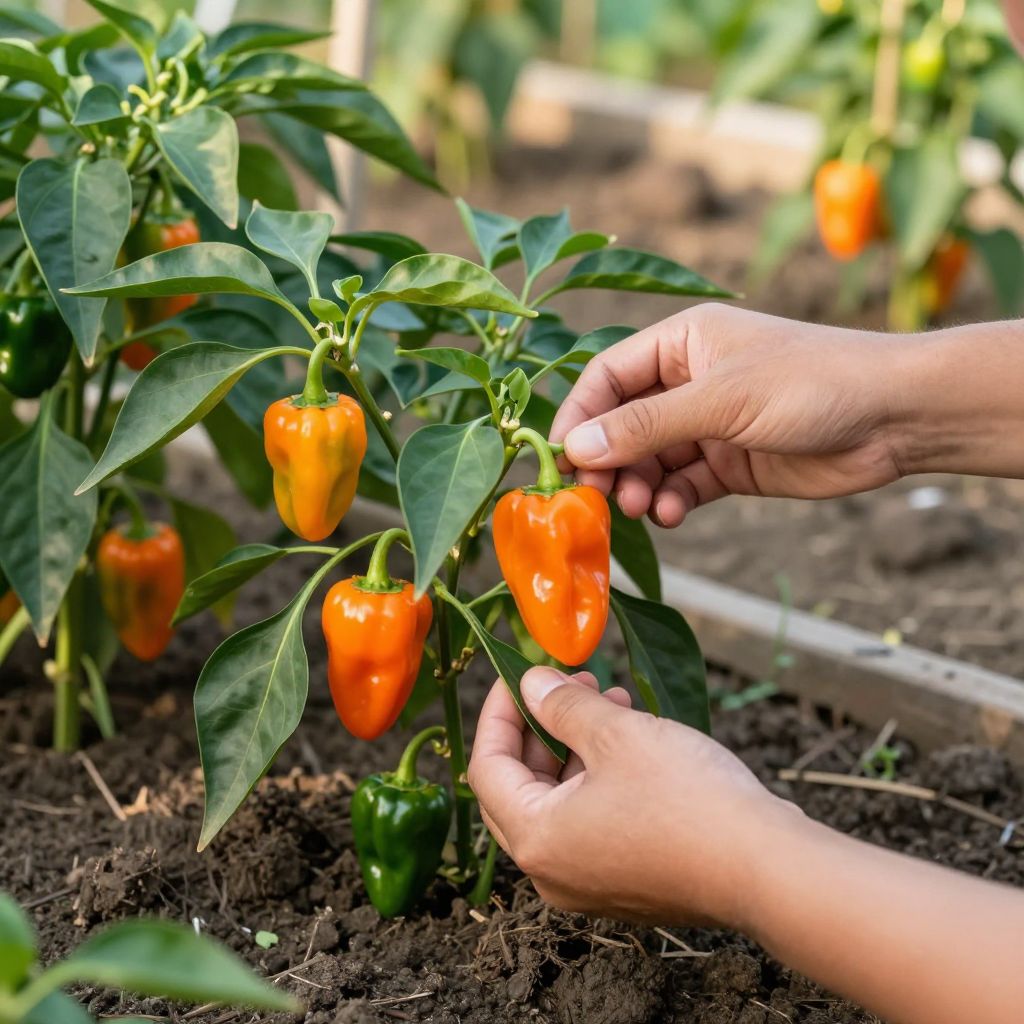
Wondering when to pick habaneros so they’re hot, colorful, and fully developed? The best harvest time depends on the variety, weather, and how you like to use the peppers. In general, you can pick habaneros when the fruits are firm and have reached their mature color, but they can also be harvested earlier while still green.
Knowing the right stage matters because habaneros continue to ripen after they size up, but their flavor and heat deepen as they mature. With a few simple checks, you can harvest at the best moment for fresh eating, cooking, drying, or seed saving.
When To Pick Habaneros?
Pick habaneros when the pods are full-sized, firm, and glossy, with a mature color such as orange, red, yellow, or brown depending on the variety. You can harvest green habaneros earlier, but fully colored fruits usually have better flavor, stronger aroma, and more developed heat.
How to tell a habanero is ready
Habaneros do not always ripen at the same pace, so look at the fruit rather than the calendar. A ready pepper should feel firm, have a smooth skin, and look plump without being soft or wrinkled.
Signs of harvest readiness
- Size: The pepper has reached its expected mature size for the plant and variety.
- Color: It has changed from green to its mature shade, often orange or red.
- Texture: The skin is smooth and taut, not shriveled.
- Firmness: The fruit feels solid when gently squeezed.
- Stem attachment: The pepper separates with a clean cut or slight twist when ripe.
If you are unsure, compare several fruits on the same plant. Often the first peppers to color up are ready before the rest, especially on plants that are still setting new flowers.
Green vs. fully colored habaneros
Green habaneros are edible, but they usually taste sharper and less sweet than fully ripened fruit. Once the pepper turns its mature color, the flavor becomes fruitier and the heat is often more noticeable.
When green harvesting makes sense
- You want to encourage the plant to keep producing more flowers and fruit.
- Cold weather is approaching and peppers may not have time to fully color.
- You prefer a brighter, more vegetal flavor.
When to wait for full color
- You want the fullest flavor and aroma.
- You are saving seed from a mature, healthy fruit.
- You want the pepper to look its best for storage or display.
Important: A habanero can be mature before it changes color, but maturity and ripeness are not always the same thing. Full color is the clearest sign that the pepper has reached peak flavor.
Seasonal timing for harvest
Most habaneros are harvested in mid to late summer and into fall, depending on when you planted and how warm your climate is. In cooler regions, fruits may ripen slowly, while in long, hot seasons the plants can produce for many weeks.
What affects harvest timing
- Temperature: Warm days and mild nights speed ripening.
- Sunlight: More direct sun usually means better fruit development.
- Plant age: Younger plants may flower but ripen fruit more slowly.
- Weather swings: Cool nights or cloudy periods can delay color change.
- Container growing: Potted plants may dry out faster and stall if stressed.
If frost is expected, harvest any peppers that have reached usable size, even if they are still partly green. Habanero plants are frost-sensitive, and cold damage can stop ripening quickly.
How to harvest habaneros without damaging the plant
Use clean scissors, pruners, or garden snips rather than pulling the peppers off by hand. The stems can tear easily, and rough picking may damage branches or knock off nearby flowers and fruit.
- Inspect the plant and choose peppers that look fully sized and ripe.
- Hold the fruit gently to steady it.
- Cut the stem just above the pepper, leaving a short stub attached.
- Place harvested peppers in a shallow container to avoid bruising.
Harvest in the morning if possible, after dew has dried. The fruit is often firmer then, and the plant is less stressed than during the hottest part of the day.
How often to pick habaneros
Check plants every few days once fruiting begins. Frequent harvesting helps you catch peppers at the right stage and can encourage the plant to keep producing.
On vigorous plants, ripe fruit may appear in waves. A plant that is loaded with peppers may slow down if too many mature fruits remain on it for too long, especially in shorter growing seasons.
What if your habaneros stay green?
Sometimes habaneros size up but refuse to color, especially late in the season. This usually points to light, temperature, or plant stress rather than a problem with the fruit itself.
Common reasons for slow ripening
- Cool temperatures: Peppers ripen more slowly when nights are cool.
- Too much shade: Plants need strong sun to finish fruit well.
- Overfertilizing with nitrogen: This can push leafy growth instead of ripening fruit.
- Water stress: Very dry soil or soggy roots can stall the plant.
- Heavy fruit load: Too many peppers at once can slow ripening overall.
Helpful fixes
- Move container plants to the sunniest warm spot you have.
- Keep soil evenly moist, not waterlogged.
- Stop high-nitrogen feeding once the plant is flowering and fruiting heavily.
- Remove a few small, late flowers so the plant can focus on existing fruit.
If the season is ending and peppers are still green, you can harvest them and let them finish indoors in a warm spot. They may not fully color as much as sun-ripened fruit, but they can still be useful and flavorful.
Growing conditions that help habaneros ripen on time
Good harvest timing starts with healthy plants. Habaneros grow best in full sun, warm temperatures, fertile soil, and steady moisture with excellent drainage.
Basic growing needs
- Sun: At least 6 to 8 hours of direct sun daily.
- Soil: Loose, well-drained soil enriched with compost.
- Water: Even moisture; avoid letting the soil swing from bone-dry to soaked.
- Airflow: Good spacing helps reduce disease and supports healthy fruiting.
Mulch can help keep soil moisture steady and reduce stress, but keep it a little away from the stem so the base of the plant stays dry and airy.
Pruning, feeding, and plant care during fruiting
Once habaneros are setting fruit, your goal is to keep the plant healthy without pushing too much leafy growth. Light maintenance often helps more than heavy intervention.
Practical care tips
- Remove damaged or diseased leaves promptly.
- Stake or cage tall plants so branches do not break under fruit weight.
- Use a balanced fertilizer sparingly if the plant looks pale or weak.
- Avoid excessive pruning during active fruiting unless you need to improve airflow.
Too much nitrogen can delay ripening, while severe drought can cause flower drop or smaller fruit. Aim for steady, moderate care rather than dramatic changes.
Pests and diseases that can affect harvest timing
Healthy plants ripen fruit more reliably. If your habaneros are stalling, check for pest damage or disease symptoms that may be stressing the plant.
Common issues to watch for
- Aphids: Can cluster on new growth and weaken the plant.
- Spider mites: Often appear in hot, dry weather and cause stippling on leaves.
- Blossom end rot: Usually linked to inconsistent watering and calcium uptake problems.
- Fungal leaf spots: Can reduce vigor if the canopy stays wet and crowded.
Good spacing, clean tools, and removing fallen debris around the plant all help reduce problems. If the plant is struggling, fruit may still ripen, but it may take longer.
Can you save seeds from picked habaneros?
Yes, if the fruit is fully mature and healthy. For seed saving, choose a ripe pepper from a vigorous plant and allow the seeds to dry completely before storing them.
Keep in mind that habaneros can cross-pollinate with other peppers nearby, so saved seed may not always grow true to type if multiple pepper varieties are planted close together.
Best harvest practices for flavor and storage
Freshly picked habaneros store best when they are dry and undamaged. Keep them in a cool place and avoid crushing them in deep piles.
Quick storage tips
- Do not wash peppers until you are ready to use them.
- Remove any fruit with soft spots or cuts.
- Store in a breathable container or paper bag in the refrigerator for short-term use.
- For longer keeping, dry, freeze, or preserve them according to your needs.
Handle habaneros carefully after harvest. The oils can irritate skin and eyes, so wear gloves if you are sensitive and wash your hands well after handling.
Final takeaway
To know when to pick habaneros, watch for full size, firm texture, and mature color rather than relying only on the calendar. Harvest regularly, especially before cold weather arrives, and your plants will usually keep producing. If you want to improve next season’s crop, review your sun, watering, and soil drainage now so the fruits ripen more evenly.
For more help with pepper care, you may also want to read about how to grow hot peppers and harvesting peppers at the right stage.