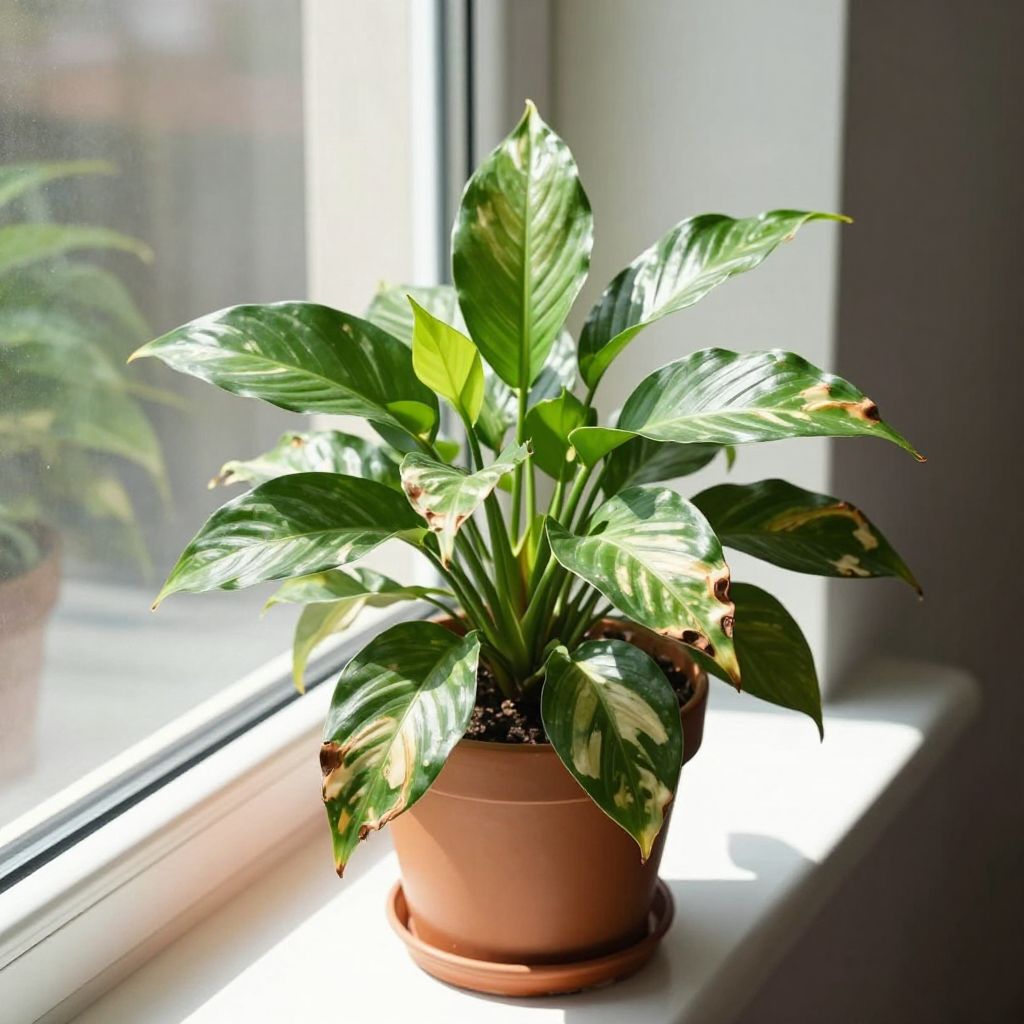
Which type of light causes damage to plants? The short answer is that too much intense light, especially direct midday sun, reflected light, and strong artificial grow lights placed too close, can scorch leaves and stress plants. Damage usually shows up as bleached patches, crispy edges, curling, or faded color.
Not all plants react the same way. A cactus may love full sun, while a fern or peace lily can burn quickly in a bright window. The key is matching light intensity, duration, and placement to the plant’s natural growing conditions.
Which type of light causes damage to plants?
Plants are most often damaged by excessive light intensity, not by light itself. Direct sun through hot glass, reflected sunlight from walls or pavement, and powerful grow lights held too close can all scorch leaves, dry tissues, and disrupt growth. Harsh light is especially risky for shade-loving and indoor plants.
How light damages plants
Light drives photosynthesis, but when exposure is too strong, leaves can overheat and lose water faster than roots can replace it. That imbalance leads to sunscald, leaf burn, and stunted growth.
Common forms of light damage
- Sunburn or leaf scorch from direct, intense sunlight.
- Heat stress from light combined with high temperatures.
- Light bleaching when leaves turn pale or washed out.
- Grow light burn when artificial lights are too close or too strong.
- Reflected light damage from windows, white walls, concrete, or water surfaces.
Plants most likely to be damaged
Shade plants and many houseplants are the most vulnerable. Examples include ferns, calatheas, prayer plants, peace lilies, philodendrons, and some begonias. Young seedlings and newly moved plants also burn easily because they have not yet adapted to stronger light.
How to tell if light is hurting your plant
Light damage usually appears on the most exposed side of the plant first. It can look similar to drought stress, so check both the leaves and the growing conditions before making changes.
- Bleached, pale, or yellow-white patches on leaves
- Brown, dry, crispy spots or edges
- Leaves curling inward or drooping in bright conditions
- Sudden leaf drop after moving a plant to a sunnier spot
- Scorched areas on the side facing a window or grow light
If the damage is on the top leaves and the plant is otherwise watered correctly, light is a likely cause. If the soil is also dry and the room is hot, the problem may be a combination of sun and heat.
Indoor plants: the most common light mistakes
Indoor gardening creates a few predictable light problems. Window glass can intensify heat, and the angle of the sun changes through the day and across seasons.
Direct sun through windows
South- and west-facing windows often deliver the strongest light. A plant that tolerates morning sun may still scorch in afternoon sun, especially in summer or behind glass.
Grow lights placed too close
Artificial lights are useful, but very bright LED or fluorescent fixtures can damage leaves if they are too near. Watch for bleaching at the top of the plant, especially in seedlings and tender foliage plants.
Sudden light changes
Moving a plant from a dim corner to a bright window without acclimation can cause stress. Plants need time to adjust to stronger light, just as they do outdoors after winter.
Outdoor plants: when sunlight becomes a problem
Outdoor plants usually handle stronger light than houseplants, but they can still burn in extreme conditions. Newly planted shrubs, transplants, container plants, and cool-season vegetables are especially at risk during heat waves.
Hot reflections and microclimates
Walls, patios, gravel, and paving stones can reflect and amplify sunlight. A plant near a south-facing wall may receive far more heat than one in open garden soil.
Seasonal shifts
Spring sun can be surprisingly intense after winter dormancy. Plants that were sheltered by shade in early season may scorch once nearby trees leaf out or the angle of the sun changes.
How to prevent light damage
The best prevention is to place each plant where it naturally belongs. Start with the plant’s preferred light level, then adjust based on your climate, window direction, and the strength of your garden sun.
- Match the plant to the light. Shade lovers need bright indirect light, while sun lovers need more direct exposure.
- Acclimate gradually. Increase light over 7 to 14 days rather than moving a plant all at once.
- Use sheer curtains or shade cloth. These soften harsh midday sun without making a room too dark.
- Rotate containers. Turn pots every week or two so one side does not take all the stress.
- Check grow light distance. Follow the fixture’s guidance, and raise the light if leaves begin to bleach or curl.
- Water correctly. Dry roots make plants more vulnerable to scorch, so keep moisture consistent for the species.
Simple indoor light adjustments
- Move tender plants a few feet back from bright windows.
- Use east-facing windows for gentler morning light.
- Place sun-loving plants closer to south- or west-facing windows.
- Use a sheer curtain during the hottest part of the day.
- Keep leaves from touching hot glass.
Simple outdoor light adjustments
- Provide afternoon shade in hot climates.
- Use temporary shade cloth during heat waves.
- Mulch around roots to reduce heat and moisture loss.
- Move containers to a brighter or shadier spot as the season changes.
- Protect newly planted specimens until roots establish.
What to do if your plant is already damaged
Once leaves are scorched, they usually do not recover. The goal is to stop further damage and help the plant produce healthy new growth.
- Move the plant out of harsh light immediately.
- Check soil moisture and water if the root zone is dry.
- Trim only fully dead leaves or badly damaged tips if needed.
- Inspect for pests, since stressed plants can attract spider mites and aphids.
- Wait for new growth before making more changes.
Do not fertilize heavily right after sun damage. A stressed plant needs stable conditions first, not a push of new growth that it may not be able to support.
Light damage versus other problems
It helps to separate light injury from watering, nutrient, or pest issues. Many plant problems look similar at first glance.
- Too much sun: bleached or crispy areas on exposed leaves.
- Too little light: leggy stems, small leaves, weak growth, and poor flowering.
- Underwatering: whole-plant wilting, dry soil, and brittle leaves.
- Overwatering: yellowing, soft stems, and soggy soil.
- Pests: stippling, webbing, sticky residue, or distorted new growth.
If only one side of the plant is damaged, light is more likely than a root problem. If the entire plant is declining, check soil moisture, drainage, and pest pressure too.
Best light conditions for common plant groups
Different plants need different amounts of light, so “bright” is not always better. Use these broad categories as a starting point, then adjust to your own space.
Bright direct light
Many vegetables, herbs, cacti, and succulents prefer several hours of direct sun. Even these plants can burn if they are moved suddenly into intense summer exposure.
Bright indirect light
Many popular houseplants do best here. They want a bright room but not harsh sun hitting the leaves for long periods.
Low to moderate light
Some foliage plants tolerate lower light, but they still need enough brightness to stay healthy. If a plant is stretched and weak, it may need more light rather than less.
Practical troubleshooting checklist
Before changing your plant’s location, run through this quick list.
- Is the plant touching hot glass or sitting under a strong lamp?
- Does the damage appear on the sun-facing side only?
- Has the plant recently been moved to a brighter spot?
- Is the room or patio hotter than usual?
- Is the soil drying out too quickly?
- Are there signs of pests or disease as well?
If you answer yes to the first three, light is probably the main issue. If you answer yes to several of the others, the plant may be dealing with multiple stresses at once.
Conclusion: protect plants by managing intensity, not just brightness
The type of light that causes damage to plants is usually too much intense direct light, especially when combined with heat or poor acclimation. You can prevent most problems by matching the plant to the right exposure, easing it into brighter conditions, and using shade when needed. If you are unsure, start with gentler light and move slowly.
For more help with placement and care, you may also want to read about how to choose the best indoor light for houseplants and simple ways to protect garden plants from summer heat.