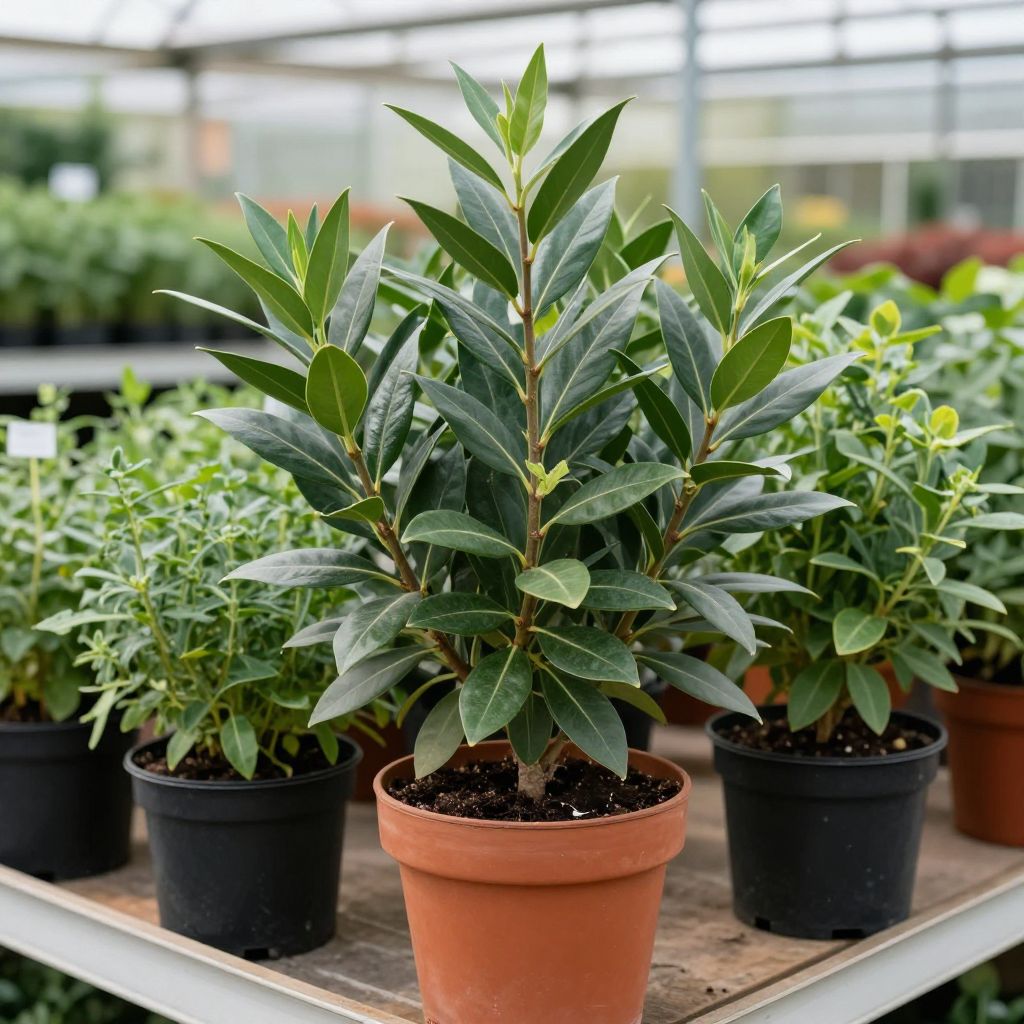
Looking for where to buy bay leaf plant and want to make sure you get a healthy one? Bay laurel is a useful evergreen herb for pots, patios, and mild-climate gardens, but the best source depends on whether you want a small starter plant, a larger specimen, or a topiary form.
The right place to buy it matters because bay leaf plants can be slow-growing, sensitive to poor drainage, and sometimes mislabeled. A good purchase starts with a reputable seller, the right plant size, and a quick check of the roots, leaves, and overall shape before you bring it home.
Where to buy bay leaf plant?
You can buy bay leaf plant from local garden centers, nurseries, online plant retailers, farmers’ markets, and specialty herb growers. The best choice is usually a reputable nursery that sells healthy Laurus nobilis plants with clear labeling, strong stems, and no signs of pests or root-bound stress.
Best places to buy bay leaf plant
Local garden centers and nurseries
For most gardeners, a local nursery is the safest place to start. You can inspect the plant in person, compare sizes, and choose one that suits your climate and container space.
Local sellers are especially helpful if you live where winters are cold, because they often stock plants suited to your region or can tell you how to overwinter bay indoors.
Online plant retailers
Online nurseries are a good option if local stores do not carry bay laurel or if you want a specific form, such as a standard tree or compact potted plant. They often have a wider selection and ship directly to your door.
When buying online, read the plant size carefully. A 4-inch pot, a 1-gallon container, and a 3-gallon shrub can look very different in price and maturity, so compare the actual pot size and plant height before ordering.
Specialty herb growers
Specialty herb nurseries often offer the healthiest bay leaf plants because they focus on culinary and aromatic herbs. These growers may also provide better growing notes for container culture, pruning, and overwintering.
If you want a plant mainly for leaf harvest, this is often the best source because the plant is more likely to be correctly identified and well cared for before shipping.
Farmers’ markets and plant sales
Seasonal plant sales can be a good place to find bay laurel at a fair price, especially in spring. You may also be able to ask the grower directly about sun exposure, potting mix, and how long the plant has been in its container.
Just be sure the plant is truly Laurus nobilis and not an unrelated bay-like shrub. A label is helpful, but a knowledgeable seller is even better.
How to choose a healthy bay leaf plant
Whether you buy locally or online, inspect the plant carefully. A healthy bay leaf plant should look compact, leafy, and evenly green, with no major yellowing, spotting, or dieback.
- Leaves: Look for glossy green leaves without heavy spotting, curling, or sticky residue.
- Stems: Choose firm stems, not brittle or blackened ones.
- Shape: A balanced plant is easier to train and prune later.
- Soil: The potting mix should not smell sour or stay soggy.
- Roots: If possible, check for roots circling tightly at the bottom of the pot.
Skip plants with a lot of leaf drop, visible pests, or pale new growth that looks weak and stretched. Those signs often mean stress from poor light, overwatering, or long storage in the nursery.
What to look for in online listings
Read the plant description carefully
Good listings should tell you the botanical name, pot size, approximate height, and whether the plant is grown indoors, outdoors, or in a greenhouse. If the listing is vague, ask questions before buying.
Helpful details include whether the plant is shipping in a nursery pot, whether it has been pruned, and whether it is acclimated to outdoor conditions. That matters because a bay leaf plant grown in a protected greenhouse may need gradual adjustment after arrival.
Check shipping and return policies
Bay laurel can be damaged by rough shipping, heat, or cold. Choose a seller that packs plants securely and offers a clear replacement policy if the plant arrives damaged.
If your climate is extreme, avoid ordering during severe heat or freezing weather unless the seller uses protective shipping methods. A healthy plant can still suffer if it spends too long in transit.
Choosing the right size and form
Bay leaf plants are sold in several forms, and the best one depends on your goal. Smaller plants are cheaper and easier to establish, while larger plants give you a faster harvest and a more finished look.
- Small starter plants: Best for budget buyers and container gardeners with patience.
- Medium plants: A practical balance of cost, size, and establishment speed.
- Large shrubs or standards: Better if you want instant structure for a patio or entryway.
If you are new to bay laurel, a medium-size plant is often the safest choice. It is usually easier to manage than a very large specimen, but it is sturdier than a tiny starter plant.
Growing conditions after purchase
Sunlight
Bay laurel grows best in bright light. Outdoors, it usually does well in full sun to partial shade, depending on your climate. In very hot regions, some afternoon shade can reduce stress.
Indoors, place it in the brightest window you have, ideally with several hours of direct sun or strong filtered light. Low light often leads to weak growth and leaf drop.
Soil and drainage
Use a well-draining potting mix. Bay leaf plants dislike soggy soil, so containers must have drainage holes and never sit in standing water.
If planting in the ground in a mild climate, choose a spot with loose, fertile soil that drains well. Heavy clay can be improved with compost, but avoid creating a planting hole that holds water like a basin.
Watering
Water thoroughly after planting, then let the top layer of soil dry slightly before watering again. Bay laurel prefers evenly moist but not wet soil, especially while it is establishing.
In containers, check moisture with your finger rather than following a fixed schedule. Weather, pot size, and light levels all affect how quickly the soil dries.
How to plant a bay leaf plant
- Choose a pot or planting site with excellent drainage.
- Loosen the root ball gently if roots are circling the pot.
- Set the plant at the same depth it was growing before.
- Backfill with quality potting mix or garden soil improved with compost.
- Water well to settle the soil.
- Place the plant in bright light and protect it from harsh wind for a short adjustment period.
Do not bury the stem deeper than it was in the nursery pot. Deep planting can encourage rot, especially in containers and heavy soils.
Common mistakes to avoid
- Buying a plant that is already stressed: Weak plants often struggle to recover.
- Using a pot without drainage: This is one of the fastest ways to lose bay laurel.
- Overwatering: Constantly wet soil can lead to root problems.
- Placing it in too little light: Indoor plants need bright exposure.
- Skipping acclimation: Move greenhouse-grown plants gradually into stronger sun or outdoor conditions.
Pruning, maintenance, and harvest basics
Bay leaf plants respond well to light pruning, which helps them stay compact and bushy. Trim lightly during active growth to shape the plant and remove damaged stems.
You can harvest mature leaves as needed once the plant is established, but avoid stripping too many leaves from a young plant. A balanced canopy supports stronger growth and better recovery after pruning.
Pests and disease problems to watch for
Bay laurel is fairly tough, but it can still attract common pests such as scale, aphids, and spider mites, especially on indoor plants. Check the undersides of leaves and the stems regularly.
Yellowing leaves, leaf drop, and a dull appearance often point to watering issues, low light, or poor drainage rather than disease. If the soil stays wet for long periods, improve drainage first before adding any other treatment.
Buying bay leaf plant for indoor vs. outdoor growing
Indoor growing
If you plan to keep bay leaf plant indoors, choose a compact plant and place it in the brightest spot available. You may also need to rotate the pot so it grows evenly toward the light.
Indoor air can be dry, especially in winter, so monitor for spider mites and avoid letting the plant dry out completely for long periods.
Outdoor growing
For outdoor planting, match the plant to your local climate. Bay laurel is best in mild conditions, though it can still be grown in pots and moved to shelter when temperatures drop.
If winter cold is a concern in your area, container growing gives you more control. You can move the plant to a protected porch, greenhouse, or bright indoor space when needed.
Quick buying checklist
- Confirm the plant is Laurus nobilis.
- Choose a reputable nursery or specialty herb seller.
- Inspect leaves, stems, and roots for health.
- Check pot size, shipping method, and return policy.
- Match the plant size to your space and patience level.
Conclusion
The best place to buy bay leaf plant is usually a reputable local nursery or a trusted specialty online seller that clearly labels Laurus nobilis and ships healthy plants. Once you bring it home, give it bright light, excellent drainage, and careful watering so it settles in well.
If you want to keep learning about container herbs and plant care, you may also enjoy reading more about growing herbs in containers and starting an indoor herb garden.