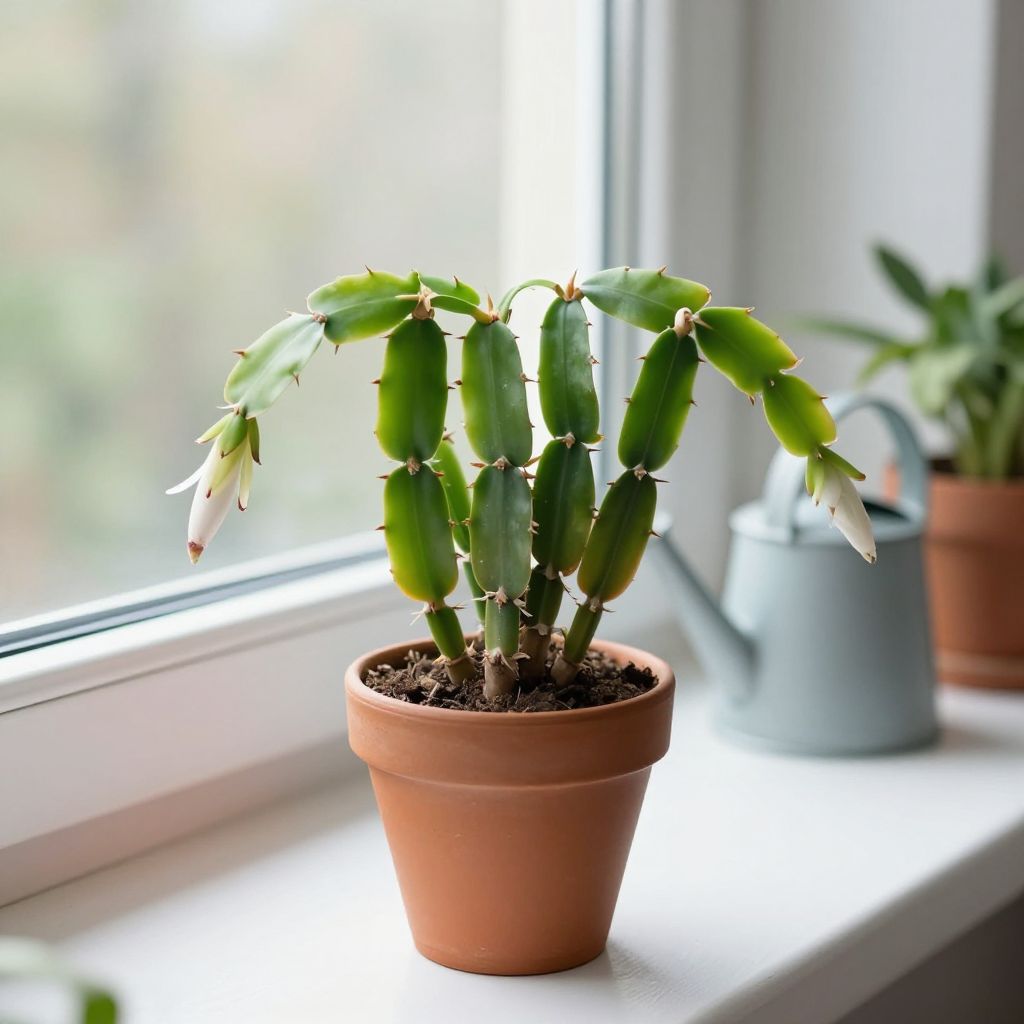
Why is my Christmas cactus wilting? If your plant looks limp, shriveled, or droopy, it is usually reacting to a watering problem, poor drainage, temperature stress, or root trouble. Christmas cactus (Schlumbergera) is an epiphytic cactus, so it likes moisture more evenly than desert cacti, but it still hates soggy soil.
The good news is that most wilting Christmas cacti can recover if you identify the cause early. A few careful checks of the potting mix, roots, light, and temperature usually point you to the right fix.
Why is my Christmas cactus wilting?
Most wilting Christmas cacti are suffering from either too little water or too much water. Dry, shriveled segments usually mean the plant is too dry; soft, yellowing, or mushy stems often mean root rot from wet soil. Temperature swings, low humidity, and pests can also cause drooping.
Check the most common causes first
1. Underwatering
If the potting mix has dried out completely, the segments may wrinkle and the plant may look limp or flat. Christmas cactus prefers evenly moist soil during active growth, but not constantly wet soil.
What to do:
- Water thoroughly until excess drains from the bottom.
- Empty any saucer after 10 to 15 minutes.
- If the mix is very dry and pulling away from the pot, soak the pot in a tray of water for 15 to 20 minutes, then let it drain.
After watering, the plant should perk up within a day or two if underwatering was the issue. If it stays limp, check the roots and stems for other problems.
2. Overwatering and root rot
Overwatering is one of the most common reasons a Christmas cactus wilts. When roots sit in wet soil, they lose oxygen, begin to rot, and can no longer support the plant.
Warning signs include:
- Soft, mushy stems
- Yellowing or translucent segments
- A sour smell from the potting mix
- Soil that stays wet for days
What to do:
- Stop watering immediately.
- Slide the plant out of the pot and inspect the roots.
- Trim away black, brown, or mushy roots with clean scissors.
- Repot into fresh, well-draining mix in a pot with drainage holes.
Use a light, airy potting mix that drains well. A mix made for succulents or a houseplant mix amended with perlite or fine orchid bark often works better than heavy garden soil.
3. Poor drainage or the wrong pot
Even careful watering can lead to wilting if the pot holds too much water. A container without drainage holes, or one that is too large, keeps the root zone wet for too long.
Choose a pot that is only slightly larger than the root ball. Christmas cactus actually prefers to be a bit snug in its container, and excess soil around the roots can stay soggy.
4. Temperature stress
Christmas cactus wilts when exposed to sudden temperature changes, hot dry air, or cold drafts. It does best in moderate indoor temperatures and dislikes being placed near heaters, fireplaces, drafty windows, or air-conditioning vents.
Try to keep it away from:
- Heat sources that dry the air quickly
- Cold window glass in winter
- Doorways with frequent drafts
- Outdoor exposure to temperatures below what the plant can tolerate
If the plant was recently moved, wilting may be a stress response. Give it a stable spot with consistent conditions.
5. Too much direct sun
Bright light is helpful, but strong direct sun can stress Christmas cactus and cause drooping or scorched segments. In nature, these plants grow in filtered light, not harsh desert sun.
Indoors, aim for bright indirect light. A little morning sun may be fine, but hot afternoon sun through a window can be too intense. Outdoors, place the plant in dappled shade or under light cover if you move it outside for summer.
6. Low humidity
Dry indoor air can contribute to limp or shriveled segments, especially in winter when heating systems run often. Christmas cactus appreciates more humidity than many other cacti.
Helpful fixes include:
- Grouping plants together to raise local humidity
- Using a pebble tray with water below the pot
- Keeping the plant in a naturally humid room, such as a bright bathroom, if light is adequate
Avoid misting as your main strategy if the plant is already struggling with wet soil or poor airflow. Humidity should help, not create leaf wetness problems.
7. Pests
Mealybugs, scale, and spider mites can weaken a Christmas cactus and make it look tired or wilted. These pests often hide in the joints between segments or along the stems.
Look for:
- White cottony clusters
- Sticky residue
- Fine webbing
- Small raised bumps on stems
For light infestations, isolate the plant and remove pests with a cotton swab dipped in rubbing alcohol. For heavier infestations, wash the plant gently and repeat treatment as needed, following the product label if you use an insecticidal soap.
How to diagnose the problem step by step
If you are unsure why your Christmas cactus is wilting, use a simple checkup. The goal is to match the symptom to the cause before making changes that could worsen the problem.
- Feel the soil. If it is bone dry, underwatering may be the issue. If it feels wet or heavy, suspect overwatering.
- Look at the stems. Wrinkled and dry suggests thirst; soft and mushy suggests rot.
- Check the pot. Make sure there are drainage holes and that no water is sitting in a saucer.
- Review recent changes. New location, cold draft, heater exposure, or direct sun can trigger wilting.
- Inspect for pests. Check the stem joints and undersides carefully.
This quick inspection usually narrows the cause within a few minutes.
How to save a wilting Christmas cactus
If the plant is too dry
- Water deeply until water runs out the bottom.
- Let it drain completely.
- Return it to bright, indirect light.
- Resume watering only when the top layer of mix begins to dry.
If the plant is overwatered
- Stop watering right away.
- Remove the plant from the pot.
- Trim rotten roots and soft tissue.
- Repot in fresh, fast-draining mix.
- Wait several days before watering again if the mix is still slightly moist.
If the plant is stressed by environment
- Move it away from drafts and heat vents.
- Provide bright indirect light.
- Keep temperatures steady.
- Increase humidity gently if indoor air is very dry.
Do not fertilize a wilting plant right away. Fertilizer can add stress to a plant that is already struggling with roots, water, or temperature problems. Wait until you see healthy new growth.
Soil, watering, and care that prevent wilting
Healthy Christmas cactus care is mostly about balance. The plant wants moisture, but it also needs air around the roots and a potting mix that drains well.
Best soil conditions
- Loose, airy potting mix
- Excellent drainage
- A pot with drainage holes
- Fresh mix when repotting every few years or when the soil breaks down
Watering habits that help
Water when the top inch or so of mix feels dry, adjusting for your home’s temperature, light, and humidity. In brighter, warmer conditions, the plant may dry faster. In winter or low light, it may need less frequent watering.
Always water thoroughly rather than giving tiny sips. Shallow watering can leave the upper soil damp while the root ball stays dry.
Light and seasonal care
Christmas cactus often grows and flowers best with bright indirect light and a little seasonal rest. During active growth, it may need more regular watering. In cooler, lower-light months, growth slows and the plant uses less moisture.
If your plant wilts only after being moved outdoors or placed in a brighter window, light exposure is likely part of the problem. Gradual adjustment is safer than sudden changes.
Pruning, repotting, and recovery tips
Pruning is not usually the first fix for wilting, but it can help if parts of the plant are damaged. Remove only clearly dead, mushy, or broken segments with clean scissors.
If root rot has been severe, repotting may be the best rescue step. Use a clean pot, fresh mix, and a container just slightly larger than the root system. After repotting, keep the plant on the dry side for a short period so damaged roots can recover.
For a plant that has lost a lot of roots, reduce stress by keeping it in stable light and avoiding overhandling. New growth is a better sign of recovery than immediate firmness in every segment.
When wilting is normal, and when it is not
Some slight drooping can happen after repotting, moving, or a brief dry spell. That kind of stress should improve once conditions stabilize.
Wilting is more serious when it comes with:
- Soft or collapsing stems
- Foul-smelling soil
- Rapid yellowing
- Repeated wilting even after watering
If the plant keeps declining, inspect the roots again. Persistent wilting usually means the root system is still unhealthy or the growing conditions are still wrong.
Conclusion
If you are asking, “Why is my Christmas cactus wilting?” start with the soil and roots. Most problems come down to watering, drainage, or stress from temperature and light. Check the pot, adjust the care, and remove any rotten roots if needed. With the right conditions, a Christmas cactus often rebounds well and resumes healthy growth.
For more help with houseplant troubleshooting, you may also want to read about how to repot houseplants without stressing them and fixing common indoor plant watering mistakes.