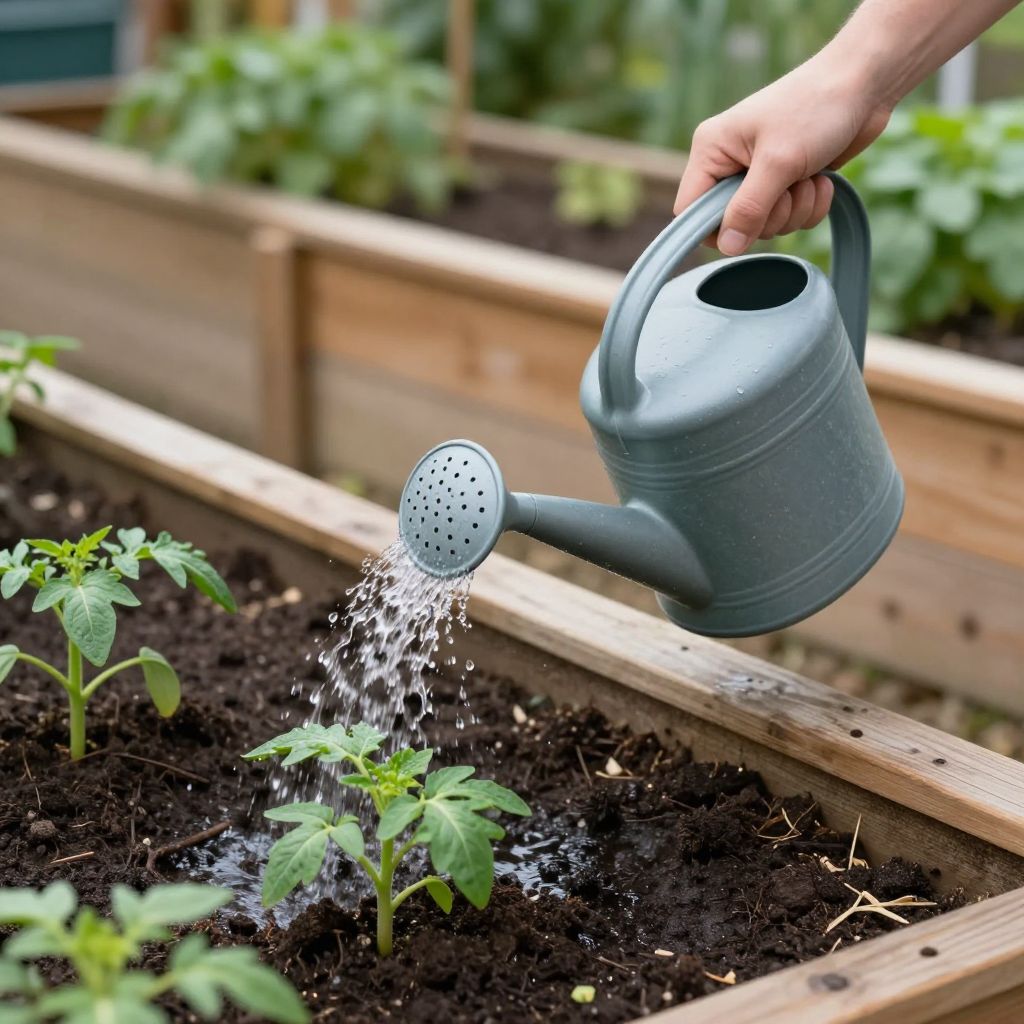
If you’re looking at a Bloem Watering Can and wondering how to use it well, the answer is mostly about matching the can to the plant, the pot, and the season. A good watering can helps you water evenly, avoid soil splash, and reach containers, seedlings, and houseplants without overdoing it.
Used correctly, it can make watering more precise than a hose and gentler than pouring from a bucket. The key is to water slowly, aim at the root zone, and adjust for plant size, pot drainage, and local weather.
What is a Bloem Watering Can and how do you use it?
A Bloem Watering Can is a lightweight garden watering can designed for controlled, targeted watering of houseplants, seedlings, patio pots, and small garden beds. Fill it with clean water, hold it low and steady, and pour at the base of the plant until the root zone is evenly moistened without flooding the container or washing away soil.
Why a watering can is useful in the garden
A watering can gives you more control than a sprinkler or hose, especially in containers and tight spaces. It is especially helpful when plants need careful watering around stems, young roots, or delicate foliage.
Best uses for a Bloem Watering Can
- Houseplants that need measured watering instead of a heavy pour.
- Seedlings and transplants that can be disturbed by strong water pressure.
- Container gardens where water needs to go directly into the pot.
- Small raised beds or newly planted areas that need close attention.
- Indoor plant care where spills need to be minimized.
How to water plants properly with a watering can
The goal is to water deeply enough to moisten the root zone, then let the soil begin to dry slightly before the next watering. That approach supports healthy roots better than frequent shallow watering.
- Check the soil first by feeling the top 1 to 2 inches with your finger.
- Lift the watering can and pour slowly at the base of the plant.
- Water until you see slight moisture movement through the root zone or a small amount draining from the bottom of a pot.
- Pause if water starts pooling on the surface, then continue more slowly.
- Empty any saucer under indoor pots after 10 to 15 minutes so roots do not sit in water.
Important: Do not water on a fixed schedule alone. Soil type, pot size, temperature, wind, sunlight, and plant growth stage all change how often plants need water.
How much water should you use?
There is no single amount that fits every plant. A small herb pot may need just enough to moisten the full root ball, while a larger container may need several passes with the can.
- Small pots: water until the entire root ball is evenly moist.
- Medium containers: water slowly until a little drains from the bottom.
- Garden beds: water long enough to soak several inches into the soil.
Choosing the right watering can for the job
Not every watering can works equally well for every task. The best choice depends on where you garden and how much water you need to carry.
What to look for
- Comfortable handle for balanced carrying and pouring.
- Reasonable capacity so the can is not too heavy when full.
- Long spout for reaching under foliage and into pots.
- Removable rose or spout attachment if you want a gentler shower for seedlings.
- Sturdy construction that will not crack or deform with regular use.
Indoor vs. outdoor use
For indoor plants, a smaller can is often easier to control and less likely to spill. For outdoor beds and large containers, a larger can reduces refill trips, but only if you can lift it safely when full.
If you garden in windy weather or on a balcony, a lighter can can be easier to manage. If you mostly water hanging baskets or tall planters, a narrow spout helps direct water without soaking leaves and walkways.
Watering different kinds of plants
Houseplants
Most houseplants prefer thorough watering followed by a drying period at the top of the potting mix. Use the Bloem Watering Can to water close to the soil surface so water reaches the roots instead of running off dry potting mix.
Be especially careful with succulents and cacti. They need less frequent watering, and excess moisture can lead to root rot.
Seedlings and young transplants
Seedlings have shallow roots and can be knocked over by a strong stream. If your watering can has a rose attachment, use it for a softer flow. Keep the soil evenly moist, not soggy, while seedlings establish.
Vegetable beds
Vegetables generally do best with deep, even moisture, especially during flowering and fruiting. Water at the soil level, not over the leaves, to reduce disease pressure and make better use of the water you apply.
Perennials and shrubs
Newly planted perennials and shrubs need more frequent attention until roots spread into surrounding soil. Water them slowly and deeply so moisture reaches beyond the original planting hole.
Common watering mistakes to avoid
Even a simple watering can can cause problems if it is used carelessly. These are the most common mistakes gardeners make.
- Overwatering because the soil surface looks dry while the lower root zone is still wet.
- Underwatering by giving only a quick splash that never reaches the roots.
- Watering leaves instead of soil, which wastes water and can encourage fungal issues.
- Ignoring drainage in pots with no drainage holes.
- Using a heavy can awkwardly, which increases spills and strain.
- Watering at the wrong time of day in hot weather, when more water is lost to evaporation.
How to tell if you are overwatering
Signs can include yellowing leaves, limp growth, sour-smelling soil, fungus gnats, or water sitting on the surface too long. In pots, roots may begin to decline if the mix stays wet for extended periods.
How to tell if you are underwatering
Look for drooping leaves, dry or pulling-away soil, crispy leaf edges, and pots that feel unusually light. In the garden, dry soil may crack or pull back from the sides of the planting area.
Soil, drainage, and compost matter more than the can
A watering can is only part of the system. Healthy soil structure determines whether water soaks in evenly or runs off the surface.
For containers
- Use a quality potting mix, not garden soil.
- Make sure containers have drainage holes.
- Add compost only where appropriate for the plant and mix; do not replace potting mix entirely with compost.
For garden beds
Organic matter such as compost helps soil hold moisture while still draining well. Sandy soils dry quickly and may need more frequent watering, while heavy clay soils may need slower watering to prevent runoff.
Tip: If water beads up or runs off, apply it in two or three slow passes instead of one fast pour.
Seasonal watering tips
Your watering routine should change with the weather. A Bloem Watering Can is most useful when you can adjust quickly to real conditions rather than follow a rigid schedule.
Hot, dry weather
Plants may need water more often, especially in full sun, wind, or containers. Water early in the day when possible so plants can use moisture before heat peaks.
Cool or rainy weather
Soil stays wet longer, so check before watering. Overwatering is more likely in cool conditions because evaporation slows down.
Indoor winter care
Many houseplants need less water in winter because growth slows and light levels drop. Check the soil before every watering session rather than assuming the usual routine still applies.
Cleaning and maintaining your watering can
Regular care keeps the can working smoothly and helps prevent clogs, odors, and algae buildup.
- Empty leftover water after use if the can will sit for a while.
- Rinse it occasionally to remove soil or mineral residue.
- Check the spout or rose for clogs and clear them gently.
- Store it out of harsh sun if possible, especially if it is plastic.
- Keep it where it will not collect debris or stagnant water.
If you use collected rainwater, strain out debris before filling the can so the spout does not clog. If your tap water is very hard, mineral buildup may appear over time and may need occasional cleaning.
Troubleshooting common watering problems
Water runs straight through the pot
The potting mix may be too dry or compacted. Water in several slow passes, and if the mix has pulled away from the sides, bottom-water the pot briefly or soak it from above in stages until it rehydrates evenly.
Soil stays wet too long
This usually means the container drains poorly, the mix is too dense, or the plant is being watered too often. Let the top layer dry more between waterings and check that drainage holes are open.
Leaves look stressed even though you water
The issue may be inconsistent watering, root damage, poor drainage, or heat stress. Check the roots, soil texture, and light exposure before changing the watering amount again.
Water splashes soil out of the pot
Use a slower pour or a rose attachment. You can also lower the spout closer to the soil surface to reduce splash and prevent exposing roots.
Practical routine for better results
A simple routine makes watering more reliable and less stressful.
- Inspect plants before watering.
- Test soil moisture with your finger.
- Water slowly at the base.
- Watch for drainage and stop when the root zone is evenly moist.
- Adjust based on weather, pot size, and plant type.
This habit is more effective than watering by guesswork, and it helps you notice problems early.
Conclusion
A Bloem Watering Can is most useful when you treat it as a precision tool, not just a container for water. Fill it, check the soil, water slowly at the roots, and adjust for your plants’ real needs instead of following a fixed schedule.
For more practical plant-care guidance, you may also want to read about container gardening basics and how to water houseplants correctly.