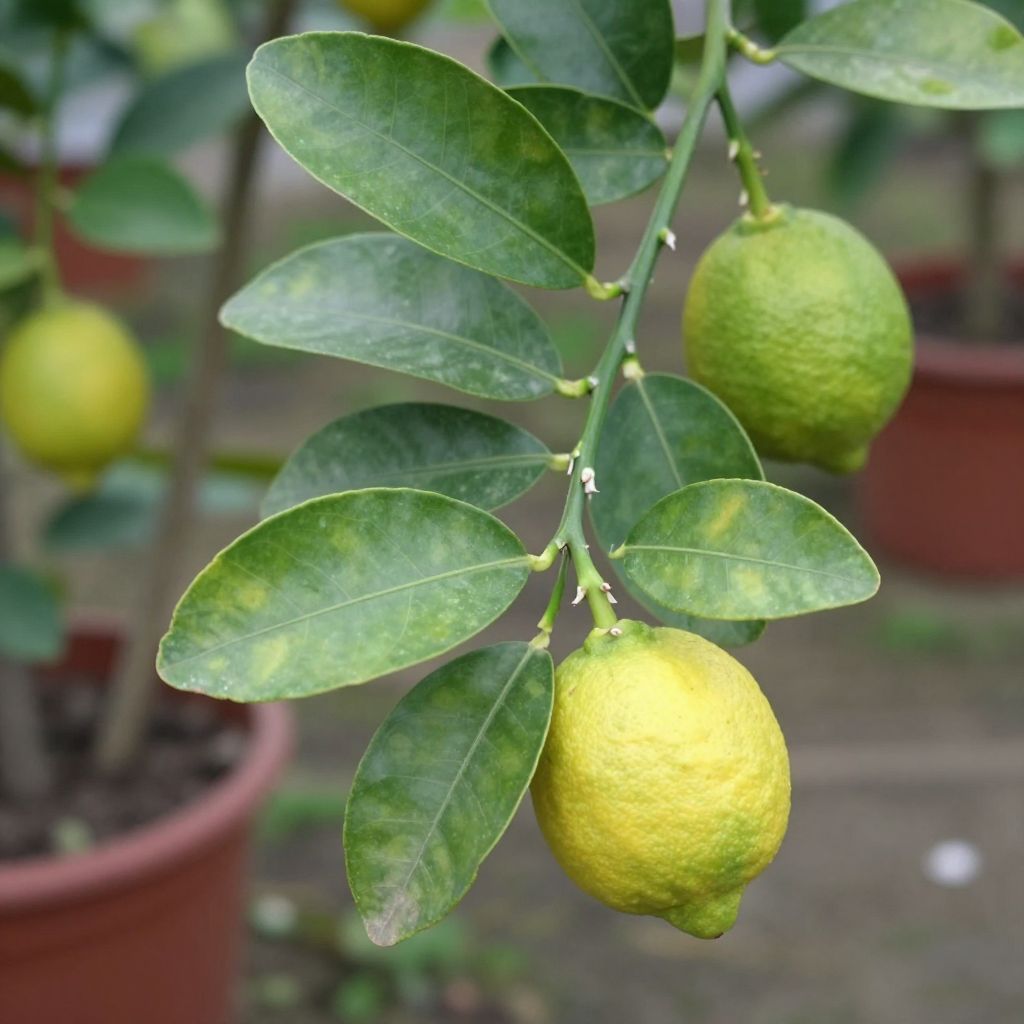
Do lemon trees have thorns? Yes, many lemon trees do, especially when they are young or growing vigorously. The thorns are a natural defense, and their size and number can vary a lot by variety, age, and growing conditions.
If you are planting, pruning, or harvesting a lemon tree, knowing when thorns are normal helps you avoid injury and make better care decisions. It also helps you tell a healthy lemon tree from one that is stressed, overgrown, or in need of training.
Do lemon trees have thorns?
Yes, lemon trees commonly have thorns, particularly on new shoots and younger branches. Some types are more heavily thorned than others, and the thorns often become fewer or less noticeable as the tree matures. Thorniness is normal, not usually a sign of disease.
Why lemon trees grow thorns
Thorns are part of the tree’s natural protection. In the wild, they help discourage animals from browsing tender growth, especially on young plants and fresh shoots.
On a home-grown lemon tree, thorniness can also be more noticeable when the tree is putting on strong vegetative growth. That often happens after pruning, heavy feeding, or when the plant is trying to recover from stress.
What thorniness can tell you
- Young trees usually have more obvious thorns than mature trees.
- Fast-growing shoots often produce sharper, longer thorns.
- Stress or imbalance can lead to extra vigorous, thorny growth.
- Variety matters; some lemon cultivars are naturally less thorny than others.
Are all lemon trees thorny?
No, not equally. Most lemon trees have at least some thorns, but the amount can range from mild to very prickly. Some cultivars are bred or selected for fewer thorns, while others remain heavily armed, especially during their juvenile stage.
If you are choosing a lemon tree for a patio, walkway, or family garden, ask the nursery about thorniness before buying. That small detail can make pruning, harvesting, and general handling much easier.
Factors that affect thorniness
- Age: juvenile trees are usually thornier.
- Growth rate: rapid flushes of new growth often carry more thorns.
- Pruning: hard pruning can trigger thorny regrowth.
- Rootstock and cultivar: these influence plant vigor and structure.
- Light and nutrition: overly lush growth can be more thorny.
How to handle a thorny lemon tree safely
Thorns are easy to manage if you work carefully. The biggest mistake is reaching in bare-handed while pruning or picking fruit, especially on dense trees where hidden thorns catch sleeves and skin.
Basic safety gear
- Wear thick gloves that cover the wrists.
- Use long sleeves and sturdy shoes.
- Keep bypass pruners sharp so cuts are clean and controlled.
- For taller trees, use a stable step stool or fruit picker rather than stretching into branches.
Pruning around thorns
- Step back and identify the branch structure before cutting.
- Remove dead, crossing, or inward-growing wood first.
- Cut thorny water shoots back early while they are still small.
- Make clean cuts just outside the branch collar.
- Do not remove too much at once; heavy pruning can trigger more thorny regrowth.
Do thorns mean the tree is unhealthy?
Usually, no. Thorns alone do not indicate disease or poor health. In many cases, a thorny lemon tree is simply a normal lemon tree. What matters more is leaf color, new growth, flowering, fruit set, and overall structure.
That said, if a tree suddenly produces a lot of sharp new shoots after stress, it may be responding to a problem such as overpruning, root disturbance, poor light, or uneven watering. The thorns are not the problem; they are a clue that the tree is pushing vigorous growth.
Signs the tree is otherwise healthy
- Leaves are glossy and evenly green.
- New growth appears seasonally, not constantly weak and spindly.
- Flowers and fruit develop normally for the plant’s age.
- Branches are firm, not brittle or dying back.
Growing conditions that affect lemon tree growth
Good growing conditions help lemon trees develop balanced growth instead of overly thorny, lanky shoots. Citrus trees generally prefer warmth, bright light, and well-drained soil. If those needs are not met, the tree may become stressed and less productive.
Sunlight
Lemon trees need full sun outdoors for best flowering and fruiting. Indoors, place them in the brightest spot you have, usually a south- or west-facing window, or supplement with a strong grow light if natural light is limited.
Soil and drainage
Use soil that drains well. Citrus roots dislike sitting in water, and poor drainage can weaken the tree over time.
- Plant in a loose, fertile mix with good drainage.
- Avoid heavy clay unless it has been improved with organic matter and drainage is adequate.
- For containers, choose a potting mix made for citrus or one amended for airflow and drainage.
Watering
Water deeply, then let the upper layer of soil dry slightly before watering again. The exact timing depends on heat, pot size, wind, rainfall, and the tree’s size. Container-grown lemons dry out much faster than trees in the ground.
Overwatering is a common mistake. If the soil stays soggy, roots can decline, leaves may yellow, and the tree may become less vigorous overall.
Feeding
Use a balanced citrus fertilizer only as needed for your climate, soil, and plant size. Too much nitrogen can push soft, thorny growth at the expense of flowers and fruit. Compost can help improve soil structure, but it should not replace proper drainage or balanced nutrition.
Container-grown vs. in-ground lemon trees
Thorns can be more noticeable on container-grown lemon trees because the plant’s growth is often more compact and easy to inspect. Pots also dry out and warm up faster, which can influence growth rate and stress levels.
Container care tips
- Use a pot with drainage holes.
- Repot before roots become tightly circling and crowded.
- Rotate the container occasionally so growth stays even.
- Prune lightly to maintain size and accessibility.
In-ground care tips
- Choose a sheltered, sunny site with good airflow.
- Keep the root zone mulched, but do not pile mulch against the trunk.
- Allow enough space so thorny branches do not block paths or doorways.
Pruning lemon trees to reduce thorn problems
Pruning will not remove all thorns, but it can make the tree easier to manage. The goal is to shape the tree, improve light penetration, and remove the most awkward thorny shoots before they become a hazard.
Best pruning approach
- Prune lightly and regularly rather than severely all at once.
- Remove suckers from below the graft union if present.
- Thin crowded branches to improve access and airflow.
- Shorten overly vigorous shoots that stick out into walkways.
- Keep the center open enough to reach fruit without fighting branches.
Avoid heavy pruning in one session unless the tree truly needs structural correction. Hard cuts can stimulate a flush of thorny water sprouts that are harder to manage later.
Common pests and diseases to watch for
Thorns do not cause pest or disease problems, but thorny, dense growth can make inspection harder. Check the undersides of leaves and the tips of new shoots regularly so small issues do not spread.
Watch for these common citrus problems
- Aphids on tender new growth.
- Scale insects on stems and leaf undersides.
- Spider mites in hot, dry conditions, especially indoors.
- Leaf drop or yellowing from watering or root stress.
- Root rot if the soil stays wet too long.
If you see pests, treat them early with appropriate physical removal, horticultural soap, or another citrus-safe method suited to your situation. Always follow label directions and test carefully on sensitive plants.
Harvesting lemons from a thorny tree
Harvesting is where thorns matter most. Ripe lemons often sit on branches that are awkwardly angled or hidden behind new growth, so plan your approach before you start pulling fruit.
Harvesting tips
- Use pruners or snips to cut fruit rather than yanking it off.
- Wear gloves and long sleeves.
- Support the branch with one hand if it is flexible.
- Harvest in stages so you do not damage nearby fruit or shoots.
If the tree is especially thorny, a long-handled fruit picker can help you reach fruit without forcing your hands into the canopy.
Can you reduce thorns over time?
You cannot remove the trait entirely from most lemon trees, but you can often make the tree easier to live with. As the tree matures, thorniness commonly decreases on older wood. Good light, steady care, and thoughtful pruning also help keep growth less wild and more manageable.
If a young tree is extremely thorny, be patient. Many lemon trees become less prickly as they transition from juvenile growth to a more mature, fruiting structure.
Quick checklist for a thorny lemon tree
- Expect thorns, especially on young growth.
- Wear gloves and protect your arms when pruning or harvesting.
- Give the tree full sun and well-drained soil.
- Water according to local weather and soil moisture, not a fixed calendar.
- Prune lightly to reduce crowded, hazardous branches.
- Watch for pests and root stress if growth becomes overly vigorous or weak.
Conclusion
So, do lemon trees have thorns? In most cases, yes, and that is perfectly normal. The good news is that thorniness is manageable with the right pruning, careful harvesting, and sensible care. If your tree is young, expect more thorns now and often fewer as it matures.
For more citrus growing guidance, you may also want to read about how to prune citrus trees and growing lemon trees in containers if those topics fit your setup.