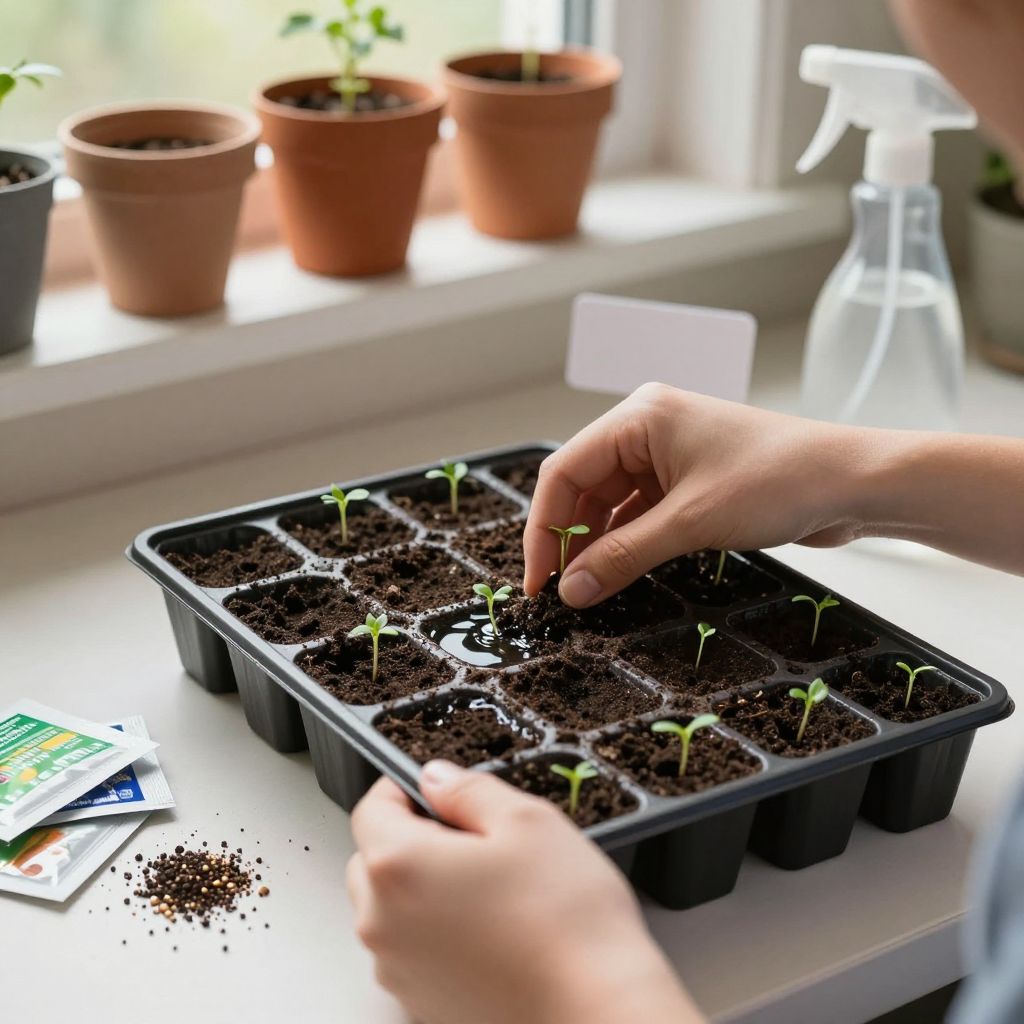
If you’re wondering when to start zinnia seeds indoors, the short answer is: start them about 4 to 6 weeks before your last expected spring frost. Zinnias grow quickly, so sowing too early can leave you with tall, pot-bound seedlings that are harder to transplant well.
The best timing depends on your climate and when outdoor soil has warmed. With a little planning, you can raise sturdy zinnia transplants that settle in fast and bloom early.
When to start zinnia seeds indoors?
Start zinnia seeds indoors 4 to 6 weeks before your area’s average last frost date, then transplant them after frost danger has passed and nights are reliably mild. Zinnias dislike cold soil and root disturbance, so the goal is compact seedlings ready to move outdoors without becoming crowded or leggy.
Why timing matters for zinnia seedlings
Zinnias are warm-season annuals. They germinate and grow best in warm conditions, and they often catch up quickly once planted outside.
If you start them too early indoors, the seedlings may outgrow their pots before the weather is right. If you start them too late, you may still get flowers, but bloom time will be delayed.
The sweet spot for indoor sowing
- 4 to 6 weeks before last frost is the usual indoor sowing window.
- In very short growing seasons, lean toward 6 weeks.
- In mild climates with an early spring, 3 to 4 weeks may be enough.
- If you plan to direct sow outdoors, wait until the soil is warm and frost risk is gone.
How to figure out your local sowing date
Use your average last frost date as the anchor, then count backward 4 to 6 weeks. That gives you a practical indoor sowing window for zinnias.
- Find your average last frost date from a local extension service or trusted weather resource.
- Count back 28 to 42 days.
- Use the earlier end of the range if your spring is short or you want larger transplants.
- Use the later end if your indoor space is limited or your spring warms quickly.
Important: average frost dates are guides, not guarantees. If your area has late cold snaps, wait to transplant until the weather is settled.
Should you start zinnias indoors or sow them outside?
Both methods work, but direct sowing is often simpler because zinnias do not love root disturbance. Indoor sowing makes sense if you want an earlier start, have a short season, or want to get plants going before the garden soil is ready.
Indoor sowing is useful when:
- Your growing season is short.
- You want flowers earlier in summer.
- Spring weather stays cool for a long time.
- You can provide strong light and enough space for seedlings.
Direct sowing is useful when:
- Your frost-free season is long.
- You want to avoid transplant shock.
- Your soil warms up quickly in spring.
- You prefer a lower-maintenance approach.
How to start zinnia seeds indoors
Zinnia seeds are easy to germinate if you give them warmth, light, and a well-drained starting mix. The main challenge is keeping seedlings healthy without letting them get leggy.
What you need
- Seed-starting mix or a light, fine-textured potting mix
- Small pots, trays, or cell packs
- Zinnia seeds
- A bright windowsill or grow light
- A watering can with a gentle spout or spray bottle
Step-by-step sowing
- Fill containers with moist seed-starting mix.
- Sow seeds about 1/4 inch deep.
- Cover lightly and label the container.
- Keep the mix evenly moist, not soggy.
- Place in warmth, ideally around 70 to 75°F for steady germination.
- Move seedlings to very bright light as soon as they emerge.
Zinnia seeds usually germinate fairly quickly in warm conditions. Once seedlings appear, good light is essential to prevent weak, stretched growth.
Light and temperature tips
- Use a bright south-facing window only if it provides strong light all day.
- Grow lights should be kept close enough to prevent stretching, but not so close that they scorch seedlings.
- Rotate trays if light comes from one side.
- Keep seedlings away from cold drafts and chilly windows at night.
How to avoid common indoor zinnia problems
Most zinnia seed-starting problems come from too much water, too little light, or starting too early. These issues are easy to prevent once you know what to watch for.
Leggy seedlings
If seedlings grow tall and floppy, they are not getting enough light. Move them to stronger light immediately and avoid overwatering, which can make weak growth worse.
Damping off
Damping off is a seedling disease that can cause stems to collapse near the soil line. Prevent it by using clean containers, fresh seed-starting mix, good airflow, and careful watering.
Root-bound seedlings
If you start too early, roots can quickly fill small cells. Transplant seedlings on time, and avoid letting them sit in tiny pots for weeks after they are ready.
Transplant shock
Zinnias can resent root disturbance. Use containers that let you remove seedlings gently, and transplant before roots become tangled. If possible, handle seedlings by the root ball rather than the stems.
When to transplant zinnia seedlings outdoors
Move zinnia seedlings outside after the last frost date, once the soil is warm and nighttime temperatures are consistently mild. Zinnias grow best in full sun and well-drained soil, so wait for a stable, favorable stretch of weather.
Hardening off matters
Before planting them in the garden, acclimate seedlings for 7 to 10 days. Start with a few hours in a sheltered spot and gradually increase sun and wind exposure.
- Begin in light shade or morning sun.
- Protect from strong wind and cold nights.
- Increase outdoor time a little each day.
- Bring plants in if a cold snap is forecast.
Ideal planting site
- Sun: Full sun for the best flowering
- Soil: Well-drained soil with moderate fertility
- Spacing: Give plants room for air circulation
- Drainage: Avoid low spots where water lingers
Good drainage is especially important. Zinnias can struggle in heavy, wet soil, where roots stay too damp and disease pressure increases.
Direct sowing zinnia seeds outdoors
If you skip indoor starting, sow zinnia seeds directly after frost danger has passed and the soil has warmed. This is often the easiest method for home gardeners.
Direct sowing steps
- Prepare a weed-free bed in full sun.
- Loosen the soil and work in compost if needed for structure.
- Sow seeds about 1/4 inch deep.
- Water gently and keep the surface lightly moist until germination.
- Thin seedlings so each plant has room to grow.
Direct-sown zinnias often establish quickly because they never have to adjust from pots to the garden. That can be a big advantage in warm regions.
Soil, compost, and watering basics
Zinnias are not fussy, but they do best in soil that drains well and is not overly rich. Too much nitrogen can lead to leafy plants with fewer flowers.
Soil preparation
- Work in compost if your soil is poor or compacted.
- Avoid heavy amendments that make the soil stay wet.
- Do not overfertilize at planting time.
Watering
Water seedlings and young plants deeply enough to encourage roots, then let the top layer of soil dry slightly before watering again. Consistent moisture is helpful, but soggy soil is a problem.
Water at the base of the plant when possible. Wet foliage can encourage leaf disease, especially in humid weather or crowded beds.
Pruning, pinching, and bloom care
Once zinnias are growing well, a little grooming can improve branching and flower production. This is especially helpful if you want fuller plants for cutting or borders.
Pinching young plants
When seedlings are established outdoors, pinching the top growth can encourage branching. If you do this, make the cut above a set of healthy leaves.
Deadheading
Remove spent flowers regularly to keep plants blooming. If you want seeds later, leave a few flowers to mature at the end of the season.
Pests and diseases to watch for
Zinnias are generally easy to grow, but they can still run into a few common issues. Good spacing, sun, and airflow prevent many of them.
Common pests
- Aphids
- Spider mites in hot, dry conditions
- Thrips, which can affect flowers
Common diseases
- Powdery mildew
- Leaf spot
- Damping off in seedlings
To reduce problems, avoid crowding plants, water at soil level, and remove damaged leaves when needed. If mildew appears late in the season, it is often best managed by improving airflow and cleaning up plant debris afterward.
Best timing by climate
Your local climate should guide the final decision. The same sowing window does not work equally well everywhere.
- Cool climates: Start indoors 4 to 6 weeks before the last frost to get a head start.
- Moderate climates: Either indoor sowing or direct sowing may work well.
- Warm climates: Direct sowing is often easiest once spring warmth is established.
- Short seasons: Indoor sowing helps you maximize bloom time.
If you’re unsure, choose the safer route for your conditions: sow indoors only long enough to get sturdy transplants, not so early that they outgrow their containers.
Quick reference: the best zinnia seed-starting timeline
- Count back 4 to 6 weeks from your last frost date for indoor sowing.
- Keep seedlings warm and brightly lit.
- Harden off for 7 to 10 days before transplanting.
- Plant outdoors only after frost danger has passed.
- Direct sow if you want a simpler approach and your season is long enough.
Conclusion
For most gardeners, the best time to start zinnia seeds indoors is 4 to 6 weeks before the last frost date. That timing gives you healthy transplants without forcing them to sit too long in pots. Check your local frost window, start a small batch, and plan to move them outside only when the weather is truly warm.
If you want to keep building your flower garden, look for more practical guides on seed starting, annual flowers, and summer-blooming border plants.