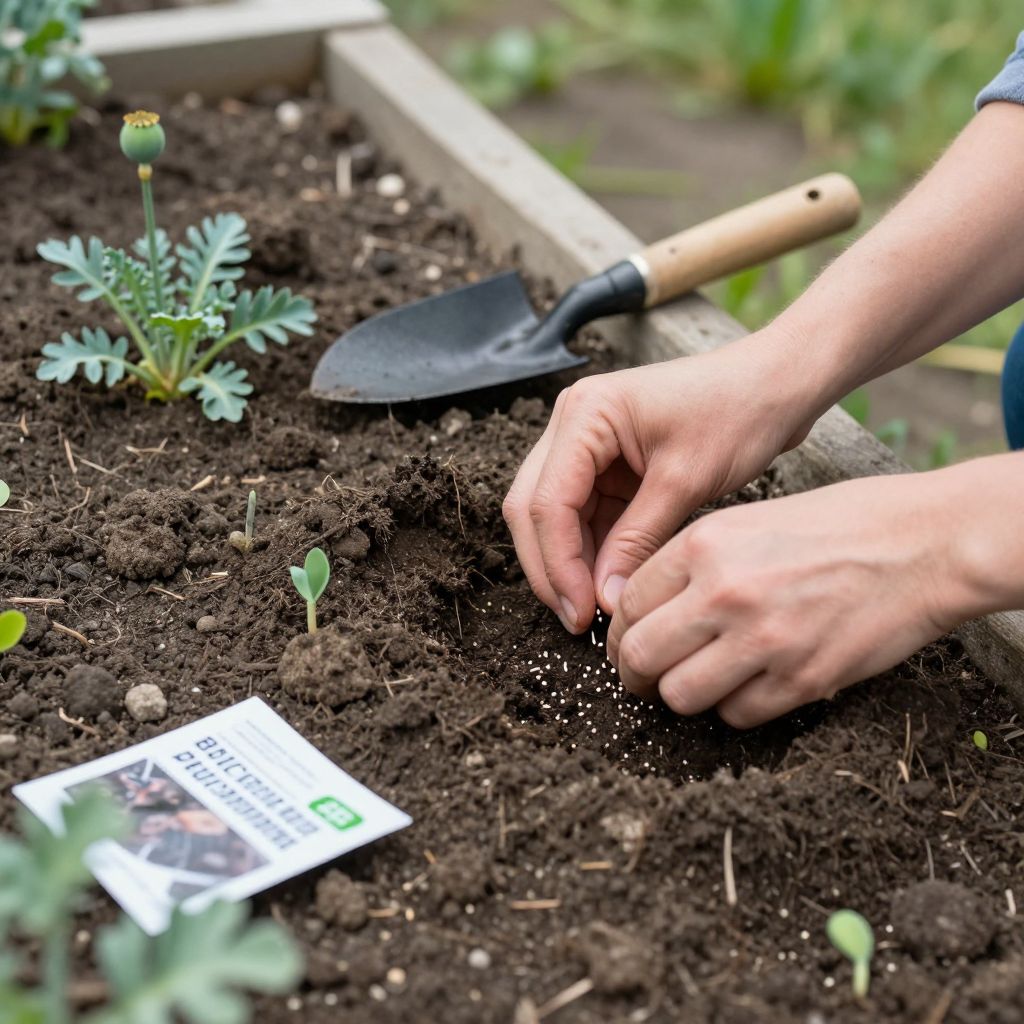
When should you plant poppies for the best results? The answer depends on the type of poppy you’re growing and your climate, but most garden poppies do best when sown directly where they will grow, either in cool spring weather or in autumn in milder regions.
If you time planting correctly and avoid disturbing the roots, poppies can reward you with bright, delicate blooms and graceful seedheads. The key is matching the sowing season to your local temperatures, soil drainage, and whether you’re growing annual, biennial, or perennial poppies.
When To Plant Poppies?
Plant most poppies by direct sowing in early spring as soon as the soil can be worked, or in autumn where winters are mild. Poppies dislike transplanting, so sow seeds outdoors in their final spot. Cool soil, full sun, and excellent drainage give the best germination and strongest plants.
Choosing the Right Planting Time for Your Poppies
The best planting time depends on the poppy’s growth habit and your climate. Annual poppies, such as Papaver rhoeas, are often sown in cool weather and may bloom the same season. Perennial poppies and oriental poppies usually need a longer establishment period and may bloom more reliably after overwintering.
Spring sowing
Spring is the safest choice in colder climates. Sow seeds outdoors after the worst freezes have passed, while the soil is still cool and moist. Poppies germinate best in cool conditions, and hot weather can reduce sprouting or cause seedlings to struggle.
Autumn sowing
In regions with mild winters, autumn planting is often ideal. Seeds can settle in over winter and germinate when conditions improve, often giving earlier blooms the following year. Autumn sowing works especially well where the soil stays workable and does not become waterlogged.
Winter and very hot climates
In very mild or warm climates, gardeners often sow poppies in late fall, winter, or very early spring to avoid heat. In hot-summer areas, timing is especially important because many poppies stop growing well once temperatures rise. Aim to have seedlings established before intense heat arrives.
How to Plant Poppy Seeds Successfully
Poppies are best grown from seed, and direct sowing is usually far easier than transplanting. Their roots are sensitive, so planting them in the ground where they will stay gives the strongest results.
- Choose a sunny site with at least 6 hours of direct sun.
- Prepare soil that drains well and is not rich or heavy with compost.
- Rake the surface smooth and remove large stones and weeds.
- Scatter seeds thinly on the soil surface or press them in lightly.
- Do not bury them deeply; many poppy seeds need light to germinate.
- Water gently with a fine spray to keep the surface evenly moist.
Because poppy seeds are tiny, it helps to mix them with dry sand for more even spacing. This reduces clumping and makes thinning easier later.
Seed depth and spacing
Most poppy seeds should be pressed onto the surface or covered with only a very light dusting of soil. If you bury them too deeply, germination may be poor. Once seedlings appear, thin them so they have room to grow without crowding.
Best Growing Conditions for Poppies
Poppies thrive in conditions that mimic open, airy meadow or field settings. They prefer sun, lean soil, and good drainage more than rich feeding or frequent watering.
- Sunlight: Full sun is best for strong stems and abundant flowers.
- Soil: Light, well-drained soil is ideal.
- pH: Most poppies tolerate a broad range, but neutral to slightly alkaline soil often works well.
- Moisture: Even moisture during germination, then moderate watering once established.
If your soil is heavy clay, improve drainage before planting by loosening it deeply and mixing in coarse organic matter where appropriate. Avoid making the bed overly rich, because too much fertility can lead to floppy plants and fewer flowers.
Should you add compost?
A small amount of compost can help poor soil, but poppies do not want a heavily amended bed. A thin layer worked into the top few inches is usually enough. If the soil is already fertile, skip extra compost and focus on drainage instead.
Watering Poppies at the Right Time
Water newly sown seeds lightly and consistently until they germinate. After seedlings are established, water only when the soil starts to dry out. Overwatering is a common mistake and can encourage weak growth or rot, especially in cool, wet weather.
Once plants are growing well, poppies are fairly drought-tolerant. They generally perform better with occasional deep watering than with frequent shallow watering. Keep the soil from becoming soggy, especially in containers or heavy ground.
Common Mistakes That Affect Planting Time
Even if you sow at the right season, a few simple errors can reduce success. The most common problems are planting too late, burying seeds too deeply, and choosing soil that stays wet.
- Starting indoors too early: Poppies often resent root disturbance, so indoor sowing is usually not the best method.
- Planting in hot weather: Heat can stop germination or stress young seedlings.
- Overcrowding: Dense seedlings compete for light and airflow.
- Rich, wet soil: This can cause weak stems and root problems.
If your first sowing fails, do not assume the seeds are bad. Check soil temperature, moisture, and seed depth first. Many poppy problems are caused by conditions rather than seed quality.
How to Care for Poppies After Germination
Once seedlings are up, the goal is to keep them steady rather than pampered. Thin them to allow airflow, remove weeds carefully, and avoid overfeeding. Most poppies need minimal maintenance once established.
Thinning seedlings
Thin seedlings when they are large enough to handle, leaving enough space for mature plants to spread. Crowded poppies are more likely to flop, mildew, or produce smaller flowers. If you are growing a border display, spacing will depend on the variety, so follow the seed packet if available.
Deadheading and seedheads
If you want a longer bloom period, remove spent flowers before they set seed. If you want self-seeding, leave some seedheads to mature. Many gardeners enjoy poppies for both flowers and decorative pods, so you can choose a few to deadhead and leave others for seed collection.
Growing Poppies in Containers
Containers can work, but they are less forgiving than garden beds. Use a pot with drainage holes and a free-draining potting mix. Sow seeds thinly on the surface and keep the mix lightly moist until germination.
Because pots dry out faster than ground soil, container-grown poppies may need more frequent checking. Still, avoid keeping the mix constantly wet. A bright, sunny spot and a pot that does not overheat in strong sun will help seedlings establish.
Pests and Diseases to Watch For
Poppies are not usually high-maintenance plants, but a few issues can appear, especially in damp or crowded conditions. Good spacing, airflow, and proper watering prevent many problems before they start.
- Aphids: These may cluster on buds and stems; a strong water spray or insecticidal soap can help if needed.
- Powdery mildew: This is more likely in crowded, shaded, or humid conditions.
- Root rot: Often linked to poor drainage or overwatering.
- Slugs and snails: They may damage young seedlings in damp gardens.
If seedlings disappear overnight, check for slugs and snails around the bed. If leaves become dusty-white later in the season, improve airflow and avoid wetting the foliage in the evening.
Can You Transplant Poppies?
It is best not to transplant poppies unless they are very young and handled with extreme care. Their taproots and fine roots are easily disturbed. Direct sowing is the most reliable method, and it usually gives healthier plants than moving seedlings from trays.
If you must transplant, do it while seedlings are tiny and before roots become established. Even then, expect some setback. For most gardeners, sowing directly outdoors is the simplest and safest approach.
Harvesting Seeds and Encouraging Self-Seeding
If you want to save seed, wait until the pods dry and turn brown, then cut them before they split open. Store the seeds in a cool, dry place. For self-seeding, leave some pods in place so they can release seed naturally.
Self-seeding poppies often return in the same area if conditions suit them. This can be a useful way to maintain a casual meadow look, but thin seedlings in spring if they become too dense.
Quick Planting Checklist
- Pick a sunny, well-drained site.
- Sow in cool weather: early spring or autumn, depending on climate.
- Press seeds onto the soil surface instead of burying them deeply.
- Keep the seedbed lightly moist until germination.
- Thin seedlings for airflow and healthy growth.
- Avoid rich soil, heavy watering, and transplanting whenever possible.
Conclusion
When to plant poppies comes down to cool weather, good drainage, and direct sowing in the right place. If you match your planting time to your climate and keep the soil light and evenly moist at first, you’ll give your poppies the best chance to thrive. Start by choosing your sowing window this week and preparing a sunny bed for direct seed sowing.
If you’d like to expand your flower garden, you may also enjoy reading about how to grow annual flowers from seed and tips for creating a low-maintenance pollinator border.