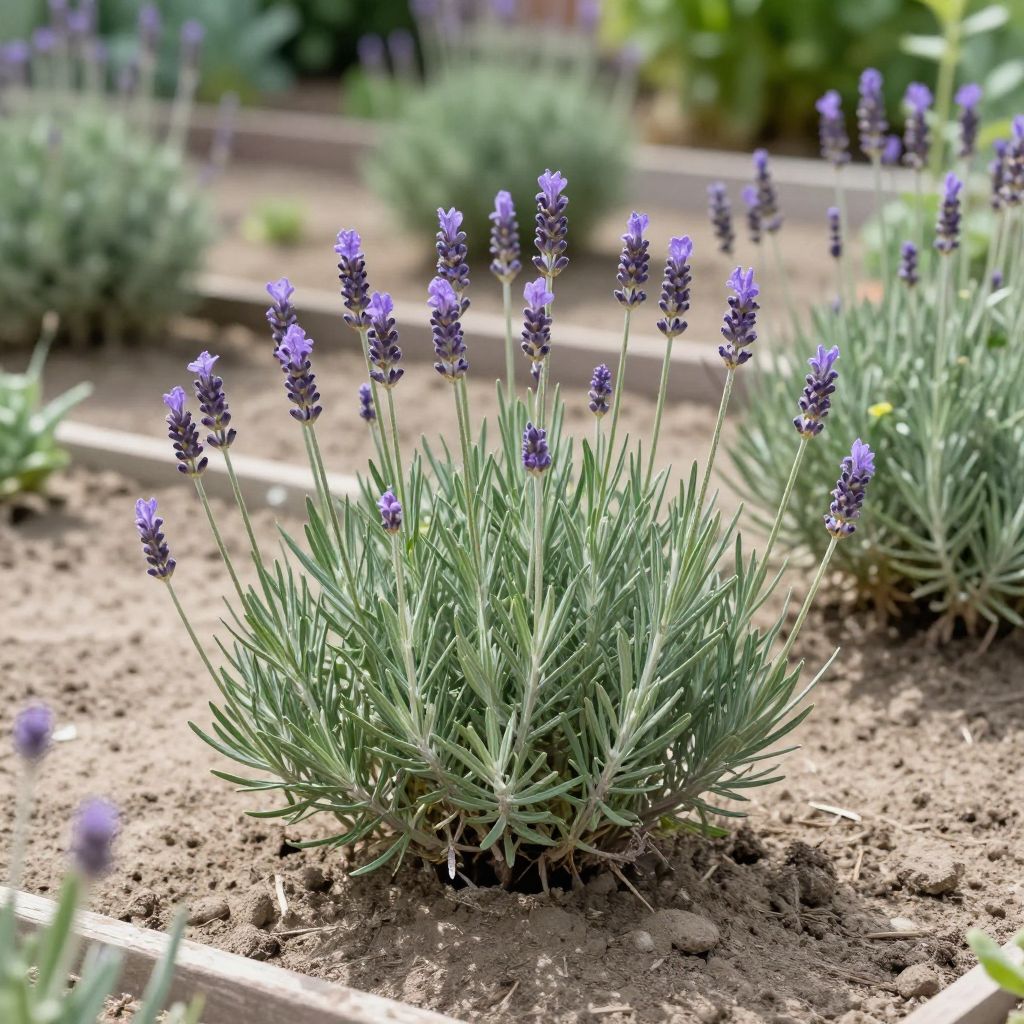
Are lavender plants perennials? In many gardens, yes, but the answer depends on your climate, soil, and the type of lavender you grow. Lavender can live for years when it has full sun, sharp drainage, and a dry enough root zone to avoid rot.
In colder or wetter conditions, lavender may behave more like a short-lived perennial or even struggle as an annual. The good news is that with the right planting and care, you can keep lavender healthy and flowering for a long time.
Are lavender plants perennials?
Yes—lavender is generally a perennial shrub, especially in mild, sunny, well-drained gardens. Most common lavenders, such as Lavandula angustifolia, return year after year in suitable conditions. However, winter wetness, poor drainage, shade, and heavy pruning can shorten its life or cause it to fail.
What makes lavender come back each year?
Lavender is a woody perennial, which means it forms a permanent framework of stems that survives from season to season. It keeps returning when the roots stay healthy and the crown does not sit in soggy soil. In the right spot, a plant can flower for many years with light maintenance.
Perennial lavender needs the right conditions
- Full sun: Aim for at least 6 to 8 hours of direct sunlight daily.
- Excellent drainage: Lavender dislikes wet feet more than dry spells.
- Lean soil: Rich, heavy soil often causes weak growth and root problems.
- Air circulation: Good spacing helps foliage dry quickly after rain or watering.
Which lavender types are most likely to survive as perennials?
Different lavender species and hybrids vary in hardiness and heat tolerance. If you want a long-lived perennial plant, choose a type suited to your local winters and summers rather than the prettiest label at the nursery.
Common garden types
- English lavender (Lavandula angustifolia): Often the best choice for colder climates and reliable perennial growth.
- Lavandin (Lavandula x intermedia): Vigorous and fragrant, usually best in mild to moderate climates with excellent drainage.
- Spanish lavender (Lavandula stoechas): More tender and often grown as a perennial only in warmer regions.
If your winters are severe or your soil stays wet, even a hardy lavender may decline. In those situations, container growing or raised beds can improve your chances of success.
How to plant lavender so it returns for years
Good planting is the biggest factor in whether lavender acts like a true perennial in your garden. The goal is to create a dry, airy root environment from day one.
Step-by-step planting guide
- Choose a site with full sun and fast-draining soil.
- Test drainage by watering the area and seeing how quickly water disappears.
- Improve heavy soil with grit, coarse sand, or gravel if needed; avoid making it overly rich with compost.
- Dig a hole only as deep as the root ball and slightly wider.
- Set the plant so the crown sits a little above surrounding soil if drainage is marginal.
- Backfill gently and water once to settle the roots.
- Mulch lightly with gravel or small stone rather than moisture-holding organic mulch.
Avoid burying lavender in compost-heavy soil. Too much organic matter can hold water around the roots and shorten the plant’s lifespan.
Soil, watering, and feeding for perennial growth
Lavender is not a heavy feeder. In fact, overfeeding often leads to floppy growth, fewer flowers, and reduced winter hardiness. The plant usually performs best in modest soil rather than rich garden beds.
Soil preferences
- Well-drained sandy or gravelly soil is ideal.
- Neutral to slightly alkaline soil is often favorable, though lavender can adapt if drainage is excellent.
- Clay soil needs improvement or raised planting to prevent root rot.
Watering guidance
Water newly planted lavender regularly until it establishes, then reduce frequency. Mature plants prefer deep, infrequent watering rather than frequent light sprinkling. Let the top few inches of soil dry before watering again.
In humid or rainy climates, you may barely need to water established plants at all. In hot, dry weather, container lavender may need more attention because pots dry out faster than garden soil.
Fertilizer and compost
- Use compost sparingly, if at all, in the planting hole.
- Skip high-nitrogen lawn fertilizers near lavender beds.
- If growth is weak, first check sun and drainage before adding food.
How to prune lavender without shortening its life
Pruning helps lavender stay compact, flower well, and avoid becoming woody and open at the base. The key is to prune lightly and regularly, not hard into old bare wood where new shoots may be sparse.
Pruning basics
- Trim after flowering or in early spring, depending on your climate and variety.
- Remove spent flower stems and shape the plant lightly.
- Leave some green growth on each stem.
- Avoid cutting deep into leafless, woody stems unless you know the plant can resprout there.
Older plants often benefit from annual shaping to prevent splitting and to encourage fresh growth. If a lavender plant is already very woody, prune gradually over one or two seasons rather than all at once.
Can lavender survive winter?
Lavender’s perennial habit depends heavily on winter conditions. Cold is one issue, but winter wet is often the bigger problem because roots can rot when the soil stays saturated for long periods.
Winter care tips
- Plant in the warmest, driest part of your garden if winters are wet.
- Keep mulch away from the crown; use gravel instead of thick bark mulch.
- Do not encourage late soft growth with heavy feeding in autumn.
- In colder regions, choose the hardiest lavender available and protect from wind if needed.
Container-grown lavender is more vulnerable in winter because roots are exposed to temperature swings. Move pots to a sheltered, bright location if your climate is harsh, but still avoid keeping the soil constantly wet.
Common problems that stop lavender from behaving like a perennial
When lavender declines, the cause is usually environmental rather than mysterious. Most problems trace back to too much moisture, too little sun, or poor pruning.
Typical issues and fixes
- Yellowing or wilting: Often a sign of overwatering or poor drainage.
- Few flowers: Usually caused by shade, too much fertilizer, or overgrown woody plants.
- Split, open plants: Often happens when pruning is neglected for several seasons.
- Root rot: A serious issue in heavy, wet soil; prevention is much easier than cure.
Pests are usually not the main concern, though aphids, spittlebugs, or fungal leaf spots may appear occasionally. Good spacing, airflow, and dry foliage help reduce these problems.
Growing lavender in pots
Containers are a practical option if your garden soil is heavy or your climate is wet. Potted lavender can still be perennial, but it needs careful watering and excellent drainage.
Container checklist
- Use a pot with large drainage holes.
- Choose a gritty, free-draining potting mix.
- Place the container in full sun.
- Do not let the pot sit in a saucer of water.
- Repot or refresh the mix when roots fill the container.
Because pots dry out faster, container lavender may need more frequent watering than in-ground plants, especially during heat waves. Still, it should never stay soggy.
How long do lavender plants live?
With good care, lavender can live for many years, but it is not an immortal shrub. Some plants remain productive for a long time, while others decline after a few seasons if conditions are less than ideal.
To extend lifespan, focus on the basics: sun, drainage, light pruning, and restraint with water and fertilizer. A plant that is comfortable in its site is far more likely to keep returning as a reliable perennial.
Propagation if your lavender is aging out
If an older plant is declining, you can replace it or propagate new plants from healthy growth. This is a useful way to keep a favorite lavender going in your garden.
Simple propagation options
- Softwood cuttings: Taken from fresh growth in the growing season.
- Layering: A low stem is encouraged to root while still attached to the parent plant.
Propagation works best from healthy, non-flowering stems. If the parent plant is diseased or badly woody, start with a vigorous replacement instead of trying to rescue it.
Conclusion: keep lavender perennial with the right care
So, are lavender plants perennials? Yes, in the right climate and growing conditions, lavender is a true perennial that can return for years. The secret is not complicated: give it full sun, sharp drainage, lean soil, and careful pruning.
If you want lavender to last, inspect your planting site today and make one improvement—better drainage, more sun, or a lighter pruning plan. For more practical help, you may also want to read about how to prune lavender and growing herbs in containers.