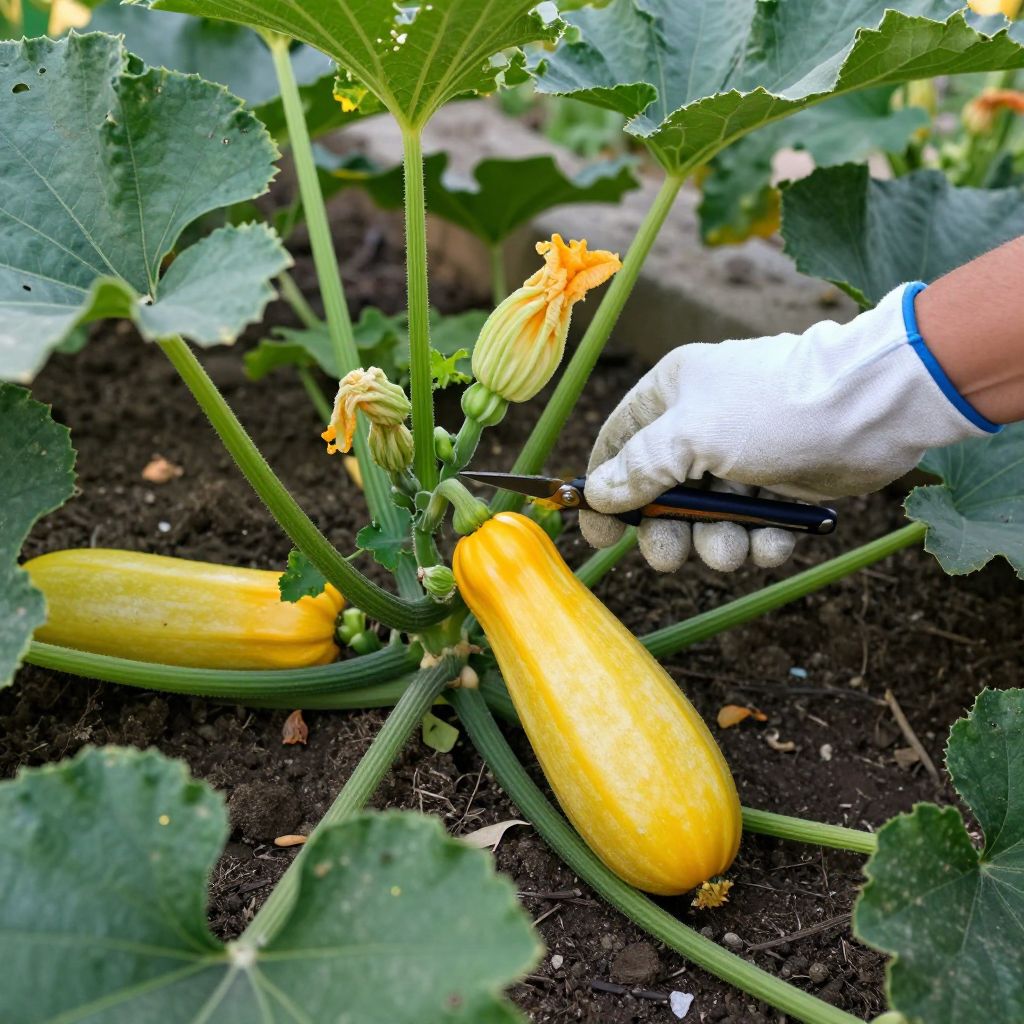
Wondering when to pick yellow squash so it tastes tender instead of tough and seedy? The best harvest window is usually when fruits are small to medium-sized, glossy, and easy to cut with a knife or pruners. If you wait too long, the skin hardens, seeds enlarge, and the flavor drops fast.
Yellow squash grows quickly, so checking plants every day or two during peak season is often the difference between a perfect harvest and an overgrown one. The exact timing depends on the variety, weather, and how fast your plants are producing.
When to pick yellow squash?
Pick yellow squash when the fruit is young, tender, and still has a smooth, glossy skin. Most summer squash are best harvested at about 4 to 8 inches long, before the rind hardens and the seeds become noticeable. Harvesting frequently encourages the plant to keep producing.
How to tell yellow squash is ready to harvest
Size matters, but it is not the only clue. The best yellow squash feels firm, looks shiny, and has a skin you can still dent slightly with a fingernail.
Signs it is ready
- Length: Often 4 to 8 inches, depending on variety and your preference.
- Skin: Smooth and glossy, not dull or rough.
- Seeds: Small and soft, not swollen.
- Texture: Firm but not hard.
- Stem: Still green and attached firmly to the fruit.
Signs you waited too long
- The skin feels hard or waxy.
- The squash looks oversized or swollen.
- Seeds are large and the center feels spongy.
- The fruit may taste bland or stringy after cooking.
If you are unsure, pick one squash and cut it open. A tender interior with small seeds is the best sign that your timing is right.
Seasonal timing: when yellow squash is usually ready
Yellow squash is a warm-season crop, so harvest timing depends on when you planted and how warm your climate is. In many gardens, the first fruits are ready about 45 to 60 days after sowing, sometimes sooner in hot weather.
Early season
Once plants begin flowering, fruit can size up quickly. Check plants every day or two because squash can go from small to oversized in just a few days during warm, sunny weather.
Peak season
This is when plants produce heavily. Frequent picking is especially important now, because leaving mature fruit on the vine can slow new fruit development.
Late season
As nights cool or plants begin to decline from pests and disease, fruit growth may slow. Harvest any usable squash before frost or before the skin toughens.
How to harvest yellow squash correctly
Use a clean knife, pruners, or garden snips to cut the fruit from the vine. Pulling by hand can damage stems or tear the plant, especially when the fruit is firmly attached.
- Inspect the fruit for size and tenderness.
- Hold the squash gently near the stem.
- Cut the stem 1 to 2 inches above the fruit.
- Place harvested squash in a basket or shallow container.
- Keep picking every 1 to 3 days during heavy production.
Do not twist or yank the fruit off. A clean cut helps reduce plant damage and keeps the harvest looking better.
Why frequent picking improves your crop
Yellow squash plants often slow down if mature fruit stays on the vine too long. The plant shifts energy toward seed development instead of making new tender squash.
Regular harvests usually lead to:
- More new fruit set
- Better flavor and texture
- Less overgrown, seedy squash
- Lower risk of missed fruit hiding under large leaves
Walk through the patch slowly and look under leaves, because yellow squash can hide surprisingly well.
Growing conditions that affect harvest timing
The same plant can ripen at different speeds depending on weather, soil, and care. Warm temperatures and steady moisture usually speed growth, while stress can slow it down or distort the fruit.
Sunlight
Yellow squash grows best in full sun. More sunlight usually means stronger growth and quicker fruit development.
Soil and drainage
Use fertile, well-drained soil enriched with compost. Soil that stays soggy can stress roots and reduce fruit quality, while poor soil can lead to slow growth and smaller harvests.
Watering
Keep plants evenly moist, especially during flowering and fruiting. Irregular watering can cause misshapen fruit, blossom-end issues, or a sudden slowdown in production.
Mulch
A layer of mulch helps hold moisture, suppress weeds, and keep fruit cleaner if it rests near the soil surface.
Common mistakes when deciding when to pick yellow squash
Many gardeners wait for squash to become much larger than it should be. That is the most common reason for tough, seedy fruit.
- Waiting for maximum size: Bigger is not better for summer squash.
- Checking only once a week: Fruit can overgrow quickly in warm weather.
- Ignoring hidden squash: Large leaves can conceal fruit until it is oversized.
- Harvesting too roughly: Tugging can damage the vine and nearby blossoms.
- Letting stressed plants sit dry: Drought can make fruit bitter, small, or deformed.
What to do if your yellow squash is already too big
Overgrown squash is still usable in some situations, even if it is no longer ideal for tender cooking. The skin may be tough, but the flesh can still work for shredding, grating, or removing the seeds.
How to handle oversized fruit
- Cut it open and check the seed cavity.
- Remove large seeds and any spongy center.
- Use only the firmer outer flesh if it is still in good condition.
- Discard fruit that is woody, fibrous, or damaged by rot.
If you find very large squash often, harvest earlier next time and check the plants more frequently.
Pests and diseases that can affect harvest timing
Healthy plants produce better fruit for longer. If leaves are damaged or vines are declining, fruit may stop sizing up normally or become scarred.
Common problems to watch for
- Squash bugs: Can weaken vines and reduce production.
- Squash vine borers: May cause sudden wilting and plant collapse.
- Powdery mildew: White coating on leaves that can reduce vigor late in the season.
- Blossom end rot or poor pollination: Can lead to misshapen or aborted fruit.
Remove badly damaged leaves only if needed for airflow, and keep checking for fruit that is ready before the plant declines further.
Can you eat yellow squash after it gets large?
Yes, but the quality changes. Large yellow squash is usually less tender and more watery or seedy, so it is not ideal for the same uses as young squash.
For the best eating quality, harvest young. If you miss the perfect window, use the squash promptly and expect a firmer texture.
Quick harvest checklist
- Fruit is 4 to 8 inches long, or appropriate for the variety
- Skin is glossy and easy to pierce slightly
- Seeds are small and soft
- Fruit feels firm, not hard
- Stem is cut cleanly with pruners or a knife
Conclusion
The short answer to when to pick yellow squash is: harvest it young, tender, and glossy, before the skin hardens and seeds enlarge. Check plants often, especially in warm weather, and cut fruit cleanly from the vine to keep the plant producing.
If you want to improve next year’s harvest, read more about growing summer squash successfully and squash planting and care basics.