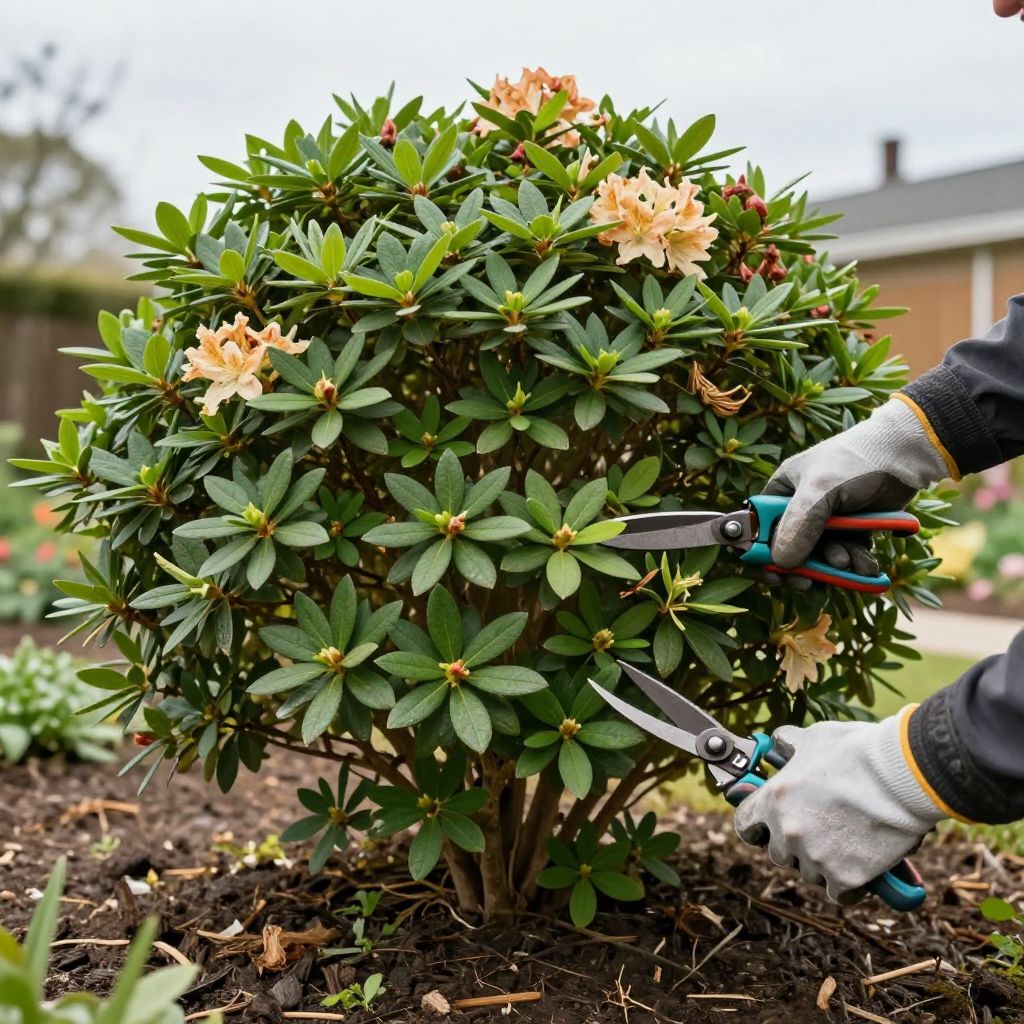
Wondering when to cut back azaleas without ruining next spring’s bloom? The short answer is: prune azaleas right after they finish flowering, while they are still actively growing. That timing gives them the longest recovery window and helps avoid cutting off next year’s flower buds.
If you prune too late in summer, fall, or winter, you may remove the buds that would have opened the following season. The exact timing depends on your climate, the plant’s age, and whether you are doing light shaping or a harder renovation cut.
When To Cut Back Azaleas?
Cut back azaleas immediately after flowering, usually late spring to early summer for most varieties. Light shaping can be done then, while major reduction pruning is best spread over more than one season. Avoid heavy pruning after midsummer, because azaleas set next year’s flower buds soon after bloom.
Why Timing Matters for Azalea Pruning
Azaleas bloom on growth made the previous season. That means the flower buds for next year are often forming soon after this year’s flowers fade.
If you prune at the wrong time, you may still get healthy foliage, but you can lose most or all of the bloom display. For that reason, timing is just as important as how much you cut.
Best seasons for pruning
- Right after bloom: Best for shaping, thinning, and minor size control.
- Late spring to early summer: Good for most routine pruning.
- Late summer or fall: Usually avoid, because buds for next spring may already be forming.
- Winter or early spring: Avoid unless you are removing dead, damaged, or diseased wood.
How Much Can You Cut Back?
For routine care, remove only what is needed to shape the shrub, open it up, or reduce a few overlong stems. A light prune is usually safest and keeps the plant flowering well.
If an azalea is overgrown, you can cut it back harder, but do it carefully. Severe pruning is best done right after bloom and often over two or three seasons rather than all at once.
Light pruning
- Trim spent flower clusters if needed.
- Shorten long shoots to a side branch or leaf node.
- Remove crossing, rubbing, or inward-growing stems.
- Thin out a few older stems at the base to improve airflow.
Hard pruning or renovation
- Reduce the plant by one-third at most in a single season if possible.
- Cut back to healthy side branches or strong buds.
- Leave enough leafy growth for the plant to recover.
- Expect fewer flowers the following year if you prune heavily.
Step-by-Step: How to Cut Back Azaleas
Use clean, sharp hand pruners for small stems and loppers for thicker branches. A pruning saw can help on older, woody stems. Clean tools before and after use to reduce disease spread.
- Wait until flowering ends. Prune as soon as the blooms fade.
- Inspect the shrub. Look for dead wood, weak stems, and branches that spoil the shape.
- Remove dead or damaged growth first. Cut back to healthy wood.
- Thin crowded stems. Open the center slightly for light and air movement.
- Shorten long shoots. Make cuts just above a leaf cluster or side branch.
- Step back often. Check the plant’s shape as you go so you do not overcut one side.
- Finish with a light cleanup. Remove fallen flowers and clippings from around the base.
Where to make the cut
Make each cut just above a healthy bud, leaf set, or branching point. Avoid leaving long stubs, which can die back and look untidy.
On older stems, cut back to a younger side shoot if possible. This keeps the plant looking natural and reduces stress.
What to Do If Your Azalea Is Overgrown
Overgrown azaleas are common in older landscapes, especially where shrubs were never pruned or were planted in the wrong spot. The best fix depends on how large the plant has become and how much bloom you are willing to sacrifice temporarily.
Option 1: Rejuvenate gradually
This is the safest method for most home gardeners. Remove a portion of the oldest stems each year right after bloom until the shrub is back in scale.
- Cut out one-third of the oldest stems at ground level.
- Repeat the process the next year.
- Keep the plant watered during recovery.
Option 2: Hard cutback
Some azaleas can be cut back hard and resprout from older wood, but recovery is slower and less predictable. This is usually a last resort for badly neglected shrubs.
If you choose this route, prune right after bloom and keep the plant healthy through the season. Do not expect a full flower show the next spring.
Growing Conditions That Help Azaleas Recover After Pruning
Healthy azaleas bounce back better from pruning than stressed ones. Good soil, steady moisture, and the right light make a big difference.
Soil and drainage
Azaleas prefer acidic, well-drained soil rich in organic matter. Heavy, waterlogged soil can weaken roots and slow regrowth after pruning.
- Work in compost or leaf mold around the root zone if soil is poor.
- Mulch with pine bark, pine needles, or shredded leaves.
- Keep mulch a few inches away from the trunk.
Sunlight
Most azaleas do best in dappled shade or morning sun with afternoon protection. Too much hot sun can scorch leaves, while deep shade can reduce flowering and make the shrub leggy.
Watering after pruning
Water deeply after pruning if the soil is dry, then keep moisture even during active growth. Avoid soggy soil, but do not let the root zone dry out completely.
Common Mistakes to Avoid
- Pruning too late in the season: This can remove next year’s flower buds.
- Shearing into a ball or box: This often creates a dense outer shell and bare interior growth.
- Cutting back only the tips every year: This can make the shrub thicker on the outside but weak inside.
- Removing too much at once: Heavy pruning can stress the plant and reduce flowering.
- Using dull or dirty tools: Ragged cuts heal slowly and can invite disease.
Signs Your Azalea Needs Pruning
Not every azalea needs annual cutting back. Prune when the shrub shows a real need, such as poor shape, crowding, or dead growth.
- Branches are crossing or rubbing.
- The shrub is too tall or wide for its space.
- Flowering has moved only to the outer tips.
- The center is thin, woody, or congested.
- Dead stems remain after winter damage.
Pruning Azaleas in Containers
Potted azaleas follow the same basic rule: prune after flowering. Container plants may need a little more attention because roots dry out faster and the plant has less room to recover from stress.
Use a quality potting mix with good drainage, and never let the container sit in standing water. After pruning, keep the plant evenly moist and protect it from harsh afternoon sun.
Pests and Disease: What to Watch For After Cutting Back
Pruning itself does not usually cause pest or disease problems, but stressed plants are more vulnerable. Watch for leaf spots, dieback, scale insects, and lace bugs, especially if the shrub is already weakened.
- Remove dead wood promptly.
- Keep the base clear of wet debris.
- Improve air circulation with selective thinning.
- Check the undersides of leaves for insect damage.
If you see repeated dieback or widespread leaf decline, the issue may be more than pruning timing. Poor drainage, root stress, or a site that is too sunny can all contribute.
Simple Seasonal Guide
- Spring: Enjoy bloom, then prune as soon as flowers fade.
- Early summer: Finish shaping and light thinning.
- Late summer: Avoid major pruning.
- Fall and winter: Leave flower buds alone unless removing damaged wood.
Conclusion
If you are asking when to cut back azaleas, the safest answer is right after they bloom. That timing protects next year’s flowers and gives the shrub time to regrow before winter. Start with light shaping, remove dead wood, and only cut harder if the plant truly needs renovation.
For more help with shrub care, you may also want to read about azalea care basics and how to prune azaleas correctly.