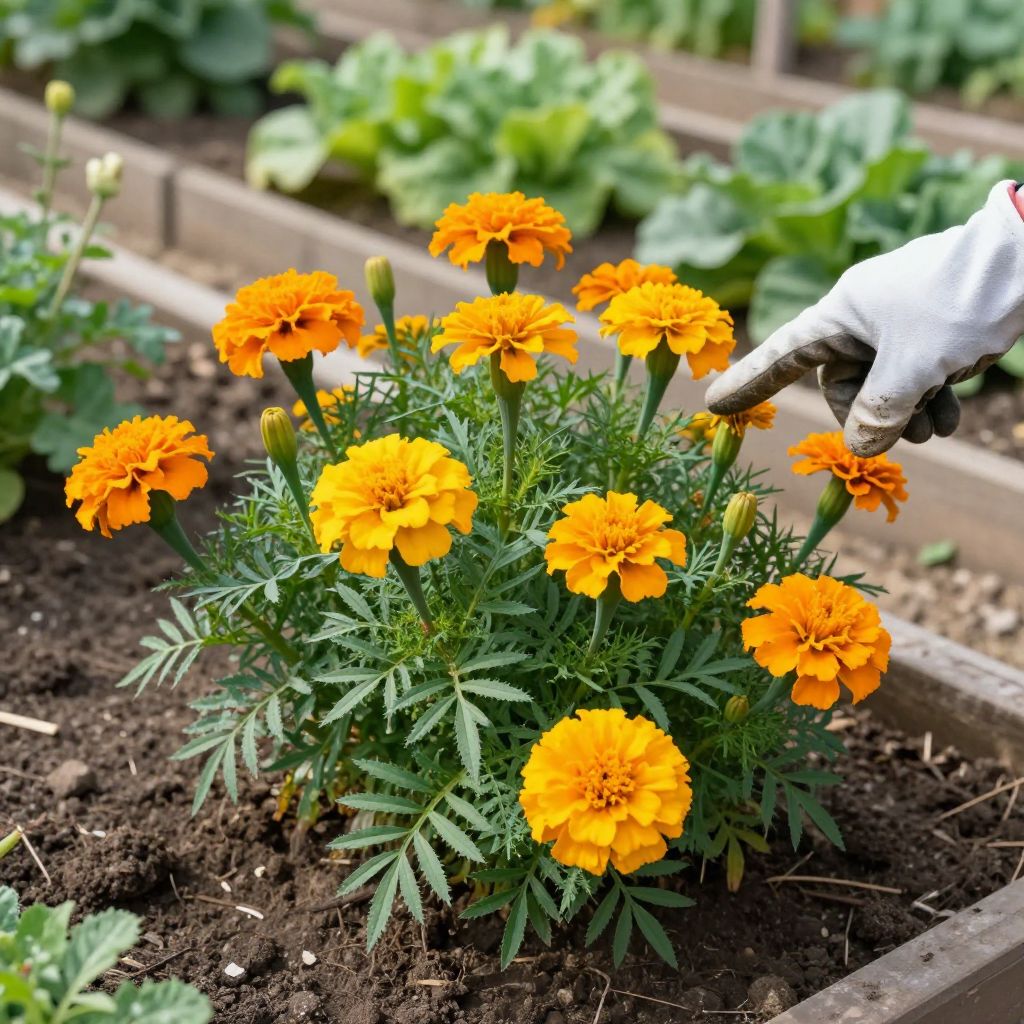
What are marigolds good for in the garden? If you’ve seen these bright, easy annuals everywhere, there’s a good reason: marigolds are useful, forgiving plants that can add color, help fill beds, and support a more manageable garden. They are not miracle pest control, but they do have several practical jobs.
With the right placement and care, marigolds can brighten borders, containers, vegetable beds, and pollinator-friendly plantings. They’re also one of the simplest flowers for beginners to grow well.
What are marigolds good for in the garden?
Marigolds are good for adding long-lasting color, filling gaps in beds and containers, attracting beneficial insects, and sometimes helping discourage certain pests when planted thoughtfully. They are easy to grow in full sun, tolerate average soils, and bloom reliably with regular deadheading and moderate watering.
Why gardeners grow marigolds
Marigolds earn their place because they are practical, not fussy. They flower for a long season, handle heat fairly well, and fit into many garden styles, from formal edging to casual cottage plantings.
1. Bright, dependable color
Marigolds are valued first for their flowers. Their yellow, gold, orange, and rusty tones give quick color in beds, borders, pots, and window boxes.
If you need a plant that looks good with minimal effort, marigolds are a strong choice. They are especially useful for filling spaces between slower-growing perennials or newly planted shrubs.
2. Easy seasonal filler
Because marigolds are annuals in most climates, they are useful for temporary color in spaces that need a quick boost. You can tuck them into empty spots after spring bulbs fade or use them to edge a path for summer interest.
3. Companion planting support
Many gardeners plant marigolds near vegetables, especially tomatoes, peppers, beans, and brassicas. While marigolds are often promoted as pest fighters, the truth is more modest: they may help confuse some pests, attract beneficial insects, and make mixed plantings more diverse.
Important: marigolds are helpful companions, but they are not a guaranteed pest solution. Good spacing, healthy soil, crop rotation, and regular inspection still matter more.
4. Pollinator and beneficial insect support
Single-flowered marigold types can provide nectar and pollen for bees and other helpful insects. If you want to support a lively garden ecosystem, choose open-centered flowers rather than very double forms when possible.
5. Low-cost, beginner-friendly gardening success
Marigolds are a good confidence-building plant. They germinate readily from seed, transplant well, and usually recover from minor mistakes better than many fussier flowers.
Choosing the right marigold type
Not all marigolds are the same. The most common garden marigolds are Tagetes species, and choosing the right one depends on your space and goal.
French marigolds (Tagetes patula)
French marigolds are compact and branching, making them ideal for edging, containers, and smaller beds. They usually bloom heavily and stay relatively tidy.
African marigolds (Tagetes erecta)
African marigolds are taller and produce larger blooms. They work well as statement plants in borders or as a bold backdrop in annual beds.
Signet marigolds (Tagetes tenuifolia)
Signet marigolds have finer foliage and smaller flowers. They suit edging, pollinator-friendly gardens, and places where you want a lighter, more delicate look.
How to grow marigolds successfully
Marigolds are simple, but they still perform best when you give them the right basics: sun, drainage, and enough space to breathe.
Sunlight
Give marigolds full sun for the best flowering. In hot climates, they can tolerate a little afternoon shade, especially if your summers are intense.
Soil
Use well-drained soil that is not overly rich. Marigolds grow well in average garden soil and often bloom better when the soil is not overloaded with nitrogen.
If your soil is heavy clay, loosen it with compost before planting. If it stays wet after rain, consider raised beds or containers so the roots do not sit in soggy soil.
Watering
Water young plants regularly until they establish. After that, marigolds prefer moderate moisture rather than constant wetness.
- Water at the base of the plant when the top inch or two of soil feels dry.
- Avoid soaking the foliage if possible.
- In containers, check more often because pots dry out faster than garden beds.
Common mistake: overwatering marigolds. Too much water can lead to weak growth, fewer flowers, and root problems.
Spacing
Give marigolds enough room for air movement. Crowded plants are more likely to develop disease and often bloom less freely.
Spacing depends on the variety, so follow the plant tag when available. As a general rule, compact types need less room than tall, spreading ones.
Planting marigolds in beds and containers
You can grow marigolds from seed or nursery starts. Both methods work well, and the best choice depends on your climate, season length, and how quickly you want flowers.
Growing from seed
- Prepare loose, well-drained soil or a quality potting mix.
- Sow seeds at the depth listed on the packet, usually shallowly.
- Keep the soil lightly moist until germination.
- Thin seedlings so each plant has room to grow.
- Move or transplant them once they are sturdy and weather is suitable.
Seeds are a good option if you want many plants at low cost. They are also useful if you want to fill a large border or vegetable patch.
Planting nursery starts
Transplants give you a faster result. Set them into prepared soil or containers, water them in well, and keep an eye on them for the first week while roots settle.
Container growing
Marigolds do very well in pots if the container has drainage holes. Use a quality potting mix, not heavy garden soil, and choose a pot size that matches the variety.
- Compact marigolds suit small pots and window boxes.
- Taller marigolds need larger, heavier containers for stability.
- Mix marigolds with other sun-loving annuals only if their water needs are similar.
How to keep marigolds blooming
Marigolds bloom best when you keep them from going to seed too early and avoid pushing them with too much fertilizer.
Deadheading
Remove faded flowers regularly. This encourages the plant to keep producing new blooms rather than putting energy into seed production.
Pinch or snip off spent flowers just above a leaf set or side shoot. If the plant becomes leggy, a light trim can help it branch and flower again.
Fertilizer
Marigolds usually do not need heavy feeding. If your soil is poor, a light application of balanced fertilizer or compost at planting time may be enough.
Too much nitrogen can produce lush leaves and fewer flowers, so avoid overfeeding.
Pruning and cleanup
Remove damaged stems, yellowing leaves, and faded blooms. This keeps the plant neat and can reduce disease pressure.
Common problems with marigolds
Marigolds are generally reliable, but a few issues can show up, especially in crowded beds or overly wet soil.
Leggy growth
If marigolds stretch and flop, they may not be getting enough sun. Crowding and excess fertilizer can also cause weak stems.
Fix: move them to a brighter spot next season, reduce feeding, and space plants more generously.
Few flowers
Marigolds may produce lots of leaves but few blooms if they are shaded, overwatered, or overfertilized.
Fix: increase sun exposure, let the soil dry slightly between waterings, and avoid high-nitrogen fertilizer.
Powdery mildew and leaf spots
These fungal issues are more likely in humid weather, crowded plantings, or where leaves stay wet for long periods.
- Improve spacing and airflow.
- Water at soil level.
- Remove affected leaves if the problem is light.
- Clean up plant debris at the end of the season.
Aphids and spider mites
These pests can occasionally appear on marigolds, especially during warm, dry spells or in stressed plants.
Check the undersides of leaves and new growth. A strong spray of water can dislodge light infestations, and healthy, unstressed plants usually recover well.
Using marigolds in vegetable gardens
Marigolds are often planted around vegetable beds because they are compact, cheerful, and easy to tuck between crops. They can help diversify the planting and may support beneficial insects that visit the garden.
Best practices for companion planting
- Plant marigolds along bed edges or in gaps, not so tightly that they crowd vegetables.
- Choose open, sunny spots where both marigolds and vegetables can thrive.
- Keep up with weeding so marigolds do not compete with crops for water and nutrients.
- Use them as one part of an overall pest-management plan, not the only strategy.
Marigolds are especially useful where you want a tidy border around a kitchen garden. They can help make beds look intentional while also attracting attention to the planting.
Harvesting seeds and saving plants
If you want to grow marigolds again next year, you can save seed from open-pollinated varieties. Let a few flowers dry fully on the plant, then collect the seed heads when they turn brown and papery.
Store seeds in a cool, dry place in a labeled envelope or jar. Keep in mind that hybrid plants may not come true from seed, so the next generation may differ from the parent plant.
When marigolds are not the right choice
Marigolds are useful, but they are not ideal everywhere. If your site is deeply shaded, waterlogged, or extremely cold for much of the season, they may struggle.
They are also not the best plant if you want a long-lived perennial or a flower that tolerates neglect in heavy shade. In those cases, choose plants better matched to your conditions.
Conclusion
So, what are marigolds good for? They are good for easy color, flexible garden design, beginner success, and practical support in mixed plantings. Give them sun, drainage, and moderate care, and they will usually reward you with steady blooms.
If you want to use marigolds well this season, start by choosing the right type for your space, then plant them where they will get full sun and enough airflow. For more ideas on building healthy mixed beds, look for related guidance on annual flowers and vegetable companion planting.