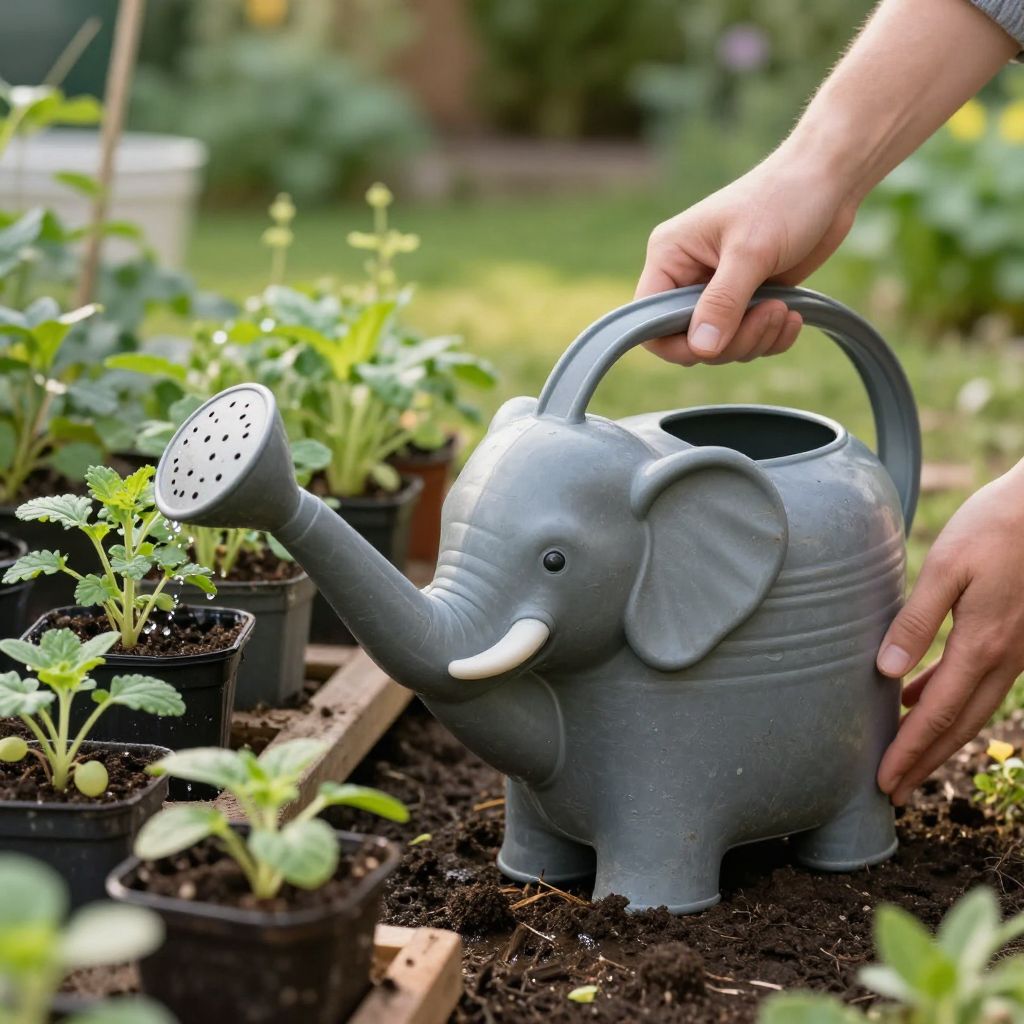
Looking for an Elephant Watering Can and wondering how to use it well in the garden? Whether you chose it for kids, decor, or everyday watering, the right technique matters just as much as the tool itself.
An Elephant Watering Can can be charming and useful, but its shape, size, and spout affect how water reaches your plants. Used properly, it helps you water seedlings, houseplants, containers, and small garden beds gently without washing away soil or splashing foliage.
What is an Elephant Watering Can?
An Elephant Watering Can is a watering container shaped like an elephant, usually with a trunk-style spout that pours water in a narrow, controlled stream. It works best for small to medium watering jobs where you want accuracy, gentle flow, and easy handling rather than high-capacity irrigation.
How do you use an Elephant Watering Can effectively?
Fill it with clean water, tip the “trunk” close to the soil surface, and water slowly until the root zone is evenly moist. For containers and seedlings, aim at the base of the plant, not the leaves. Empty and dry the can after use to prevent residue, odors, and wear.
Best uses in the garden
- Houseplants that need careful, targeted watering.
- Seedlings and young transplants that can be disturbed by a strong stream.
- Patio pots and hanging baskets where precision matters.
- Small raised beds or tight spaces where a hose is awkward.
- Children’s gardening because the design is easy to recognize and carry.
Choosing the right Elephant Watering Can for gardening
Not every decorative watering can is equally practical. Before you buy or use one, check the size, balance, spout design, and material so it matches the plants you water most often.
What to look for
- Capacity: A smaller can is easier to lift when full, especially for children or indoor use. Larger cans reduce refills but can become heavy fast.
- Spout control: A long, narrow trunk-style spout helps direct water to the soil instead of splashing leaves.
- Handle balance: The can should feel stable when full, not top-heavy.
- Material: Plastic is lightweight; metal is often sturdier but may rust if left wet.
- Rose or nozzle: Some models include a sprinkle attachment for gentler watering. This is useful for seedlings and delicate topsoil.
When a decorative can is not enough
If you grow many containers, thirsty vegetables, or larger beds, an Elephant Watering Can may be best as a supplement rather than your only tool. You may still want a hose, larger watering can, or drip system for bigger jobs.
How to water plants correctly with an Elephant Watering Can
The goal is to wet the root zone evenly without compacting soil or wasting water. The exact amount depends on plant type, pot size, weather, and soil drainage, so use the can as a guide rather than following a fixed schedule.
- Check the soil first. If the top 1 to 2 inches feel dry for most container plants, it is usually time to water.
- Fill the can with room-temperature water when possible, especially for indoor plants.
- Move close to the plant and pour slowly at the base.
- Pause if water begins to run off the surface before soaking in.
- For pots, water until you see a little drainage from the bottom, then stop.
- Empty any leftover water from the saucer after 10 to 15 minutes so roots do not sit in water.
For seedlings and young plants
Use a very gentle stream. If the can pours too forcefully, water from a lower height or use a rose attachment to avoid flattening seedlings or exposing roots.
For established container plants
Water more deeply and less often, allowing the root ball to be moistened throughout. Shallow, frequent watering can encourage weak roots near the surface.
For garden beds
Water slowly so the soil can absorb moisture. Sandy soil drains quickly and may need more frequent watering, while clay soil absorbs slowly and can puddle if you pour too fast.
Soil, drainage, and why they matter
An Elephant Watering Can is only as effective as the soil it waters. Good drainage lets water reach roots without creating soggy conditions that can lead to rot and disease.
Signs your soil is draining well
- Water soaks in within a few seconds to a minute, depending on soil type.
- Potting mix feels moist but not muddy.
- Containers have drainage holes and do not stay waterlogged.
How to improve watering results
- Mix compost into garden beds to improve structure and moisture retention.
- Use a quality potting mix for containers, not heavy garden soil.
- Add mulch around outdoor plants to slow evaporation.
- Make sure pots have open drainage holes.
Important: If water consistently pools on the surface, the problem is usually compacted soil, poor drainage, or watering too quickly—not the watering can itself.
Sunlight, weather, and seasonal watering adjustments
Plants use water differently depending on temperature, wind, light, and growth stage. A watering can is ideal because it lets you respond to changing conditions instead of following a rigid schedule.
Hot, dry weather
Plants may dry out faster, especially in full sun, wind, or shallow containers. Check soil more often and water earlier in the day so moisture reaches roots before heat increases evaporation.
Cool or cloudy weather
Plants usually need less water. Overwatering is more likely when growth slows and evaporation drops, so always check the soil before watering.
Indoor conditions
Houseplants dry at different rates depending on light, pot size, humidity, and heating systems. A small Elephant Watering Can is especially handy indoors because it allows careful watering without spills.
Common mistakes to avoid
- Watering on a fixed schedule instead of checking the soil.
- Pouring too quickly, which causes runoff and uneven moisture.
- Wet leaves repeatedly when the plant would do better with soil-level watering.
- Leaving water in saucers under pots for long periods.
- Using a dirty can that can harbor algae, debris, or mineral buildup.
- Ignoring pot weight: a full can can be awkward, especially for children or older gardeners.
Cleaning and maintaining your watering can
A clean watering can lasts longer and performs better. This is especially important if you use it for indoor plants, seedlings, or collected rainwater.
Simple maintenance routine
- Empty the can after each use.
- Rinse it occasionally to remove soil, algae, or fertilizer residue.
- Check the spout for blockages, especially if it has a fine rose attachment.
- Let it dry before storing to reduce rust or mildew.
- Store it out of direct sun if the material becomes brittle or fades easily.
If you use fertilizer in water, rinse the can more often so residue does not build up and affect future watering.
How to troubleshoot watering problems
Water runs off the soil
The soil may be dry and compacted, or you may be pouring too fast. Water in smaller passes and let each one soak in before adding more.
Leaves turn yellow or roots seem soggy
This often points to overwatering or poor drainage. Check the pot holes, reduce watering frequency, and allow the top layer of soil to dry slightly before watering again.
Plants wilt even though the soil is wet
Roots may be stressed from poor drainage, root rot, or heat. Move the plant out of harsh sun if needed and inspect the potting mix and drainage.
The can is hard to pour steadily
If the can feels awkward, it may be too large when full or poorly balanced. Choose a smaller size or use less water per fill for better control.
Using an Elephant Watering Can with children
An Elephant Watering Can can be a great beginner tool for young gardeners because it is friendly, easy to recognize, and suitable for small tasks. Keep the can light enough for the child to carry safely and supervise watering near delicate plants.
- Use it for patio pots, seedlings, or a few container plants.
- Teach children to water at the soil line, not over the leaves.
- Show them how to check whether the soil is already moist.
- Remind them that gentle watering is better than “flooding” the pot.
Conclusion: make the can work for your garden
An Elephant Watering Can is more than a cute accessory when you use it with care. Match the can to the plant, water slowly at the soil surface, and adjust for weather, soil, and container size. If you want better results, check your soil today and water only where roots need it most.
For more practical garden care, you may also enjoy reading about container plant watering basics and how to improve soil drainage in pots and beds.