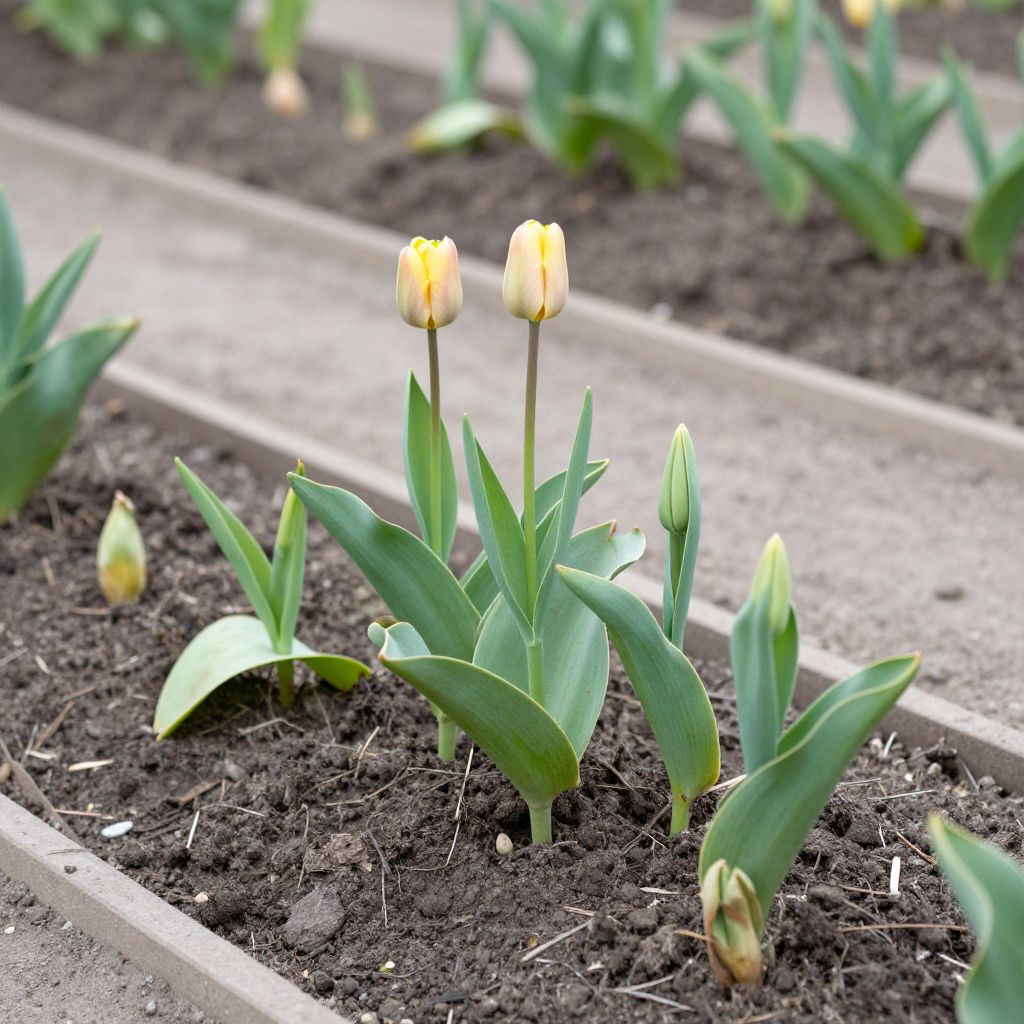
Do tulips grow back every year? Sometimes they do, but not always with the same strength or flower size. Many tulips are treated as short-lived perennials: they can return for a few seasons if they’re planted well and allowed to rebuild energy after blooming.
The key is understanding what tulips need after flowering. Good drainage, enough sunlight, and leaving the foliage in place until it naturally yellows can make the difference between a tulip that returns and one that disappears after the first spring.
Do tulips grow back every year?
Yes, tulips can grow back every year, but results vary by type and growing conditions. In many gardens, species tulips and some Darwin hybrids return more reliably than large, showy florist types. For best repeat blooming, plant them in well-drained soil, give them full sun, and let the leaves feed the bulb after flowering.
Why tulips sometimes come back and sometimes don’t
Tulips are bulb plants that store energy underground. After they bloom, the leaves must keep photosynthesizing to recharge the bulb for next year’s flower.
If the bulb is weakened, rots in wet soil, or has its foliage removed too soon, it may survive but fail to bloom again. In some climates, tulips also struggle because winters are too warm or summers are too wet for the bulbs to stay healthy.
Common reasons tulips fail to return
- Poor drainage that causes bulb rot.
- Too much shade, which reduces energy storage.
- Cutting off leaves too early after bloom.
- Heavy competition from thirsty perennials or lawn grass.
- Overcrowding as bulbs multiply underground.
- Heat stress or mild winters in climates that don’t suit the variety.
How to help tulips come back year after year
If you want tulips to return, think beyond the bloom and focus on the bulb’s long-term health. The planting site and after-bloom care matter just as much as the flowers you see in spring.
1. Choose the right planting spot
Tulips perform best in full sun, which usually means at least 6 hours of direct light a day during the growing season. A spot with morning sun and good air circulation is especially helpful.
Soil should drain quickly. If water sits around the bulbs after rain, tulips are much more likely to rot than return.
2. Plant bulbs at the proper depth
As a general rule, plant tulip bulbs about 6 to 8 inches deep, or roughly three times the bulb’s height. Set them pointy side up and space them a few inches apart so they have room to develop.
In heavier soil, planting a little deeper can help stabilize the bulbs, but drainage still matters more than depth.
3. Improve the soil before planting
If your soil is dense clay or stays wet, mix in compost to improve structure. In very heavy soil, it may help to plant tulips in raised beds or containers with a free-draining potting mix.
Avoid adding fresh manure directly to tulip planting holes. Rich but soggy soil can encourage rot.
4. Water correctly
Water bulbs after planting to settle the soil, then let rainfall do most of the work unless conditions are unusually dry. Tulips dislike constantly wet soil, especially when dormant in summer.
During active growth in spring, water only when the soil begins to dry out. Overwatering is one of the fastest ways to shorten a tulip’s life.
5. Feed the bulbs at the right time
A light bulb fertilizer or a top-dressing of compost in fall or early spring can support healthy growth. The most important feeding period is after flowering, while the leaves are still green and working.
That said, avoid overfertilizing. Too much nitrogen can produce lush leaves but weak flowers.
What to do after tulips bloom
Post-bloom care is one of the biggest factors in whether tulips grow back every year. The bulb needs time to store energy before it goes dormant.
- Deadhead the spent flower by removing the faded bloom head.
- Leave the stem and leaves in place.
- Keep the plant watered lightly if spring is dry.
- Allow the foliage to yellow naturally, usually over several weeks.
- Only remove leaves once they are fully yellow or brown and come away easily.
Do not braid, tie, or cut back green tulip leaves. That reduces the bulb’s ability to recharge and often leads to smaller flowers or no bloom the next year.
Should you deadhead tulips?
Yes, deadheading helps prevent the plant from wasting energy on seed production. But deadheading does not mean removing the leaves. Keep the foliage intact until it has finished feeding the bulb.
Which tulips are most likely to return?
Some tulips are simply better at perennializing than others. If you want the best chance of repeat bloom, choose types known for reliability rather than the biggest, most highly bred show tulips.
- Species tulips are often the most dependable returners.
- Darwin hybrid tulips are commonly among the better repeat bloomers in suitable climates.
- Botanical tulips are usually more naturalizing and long-lived than many large florist types.
Very full, double, or unusually large modern tulips can be stunning, but they often perform more like annuals in home gardens. If repeat blooming matters most, choose sturdier varieties over the most dramatic ones.
Can tulips naturalize in the garden?
Some tulips can naturalize, meaning they spread and return on their own over time. This works best in sites with well-drained soil, enough sun, and minimal summer irrigation.
Naturalizing tulips are often planted in drifts under deciduous trees, in rock gardens, or in borders where summer dryness helps the bulbs rest. In wetter climates, they may still return, but not always reliably.
Good conditions for naturalizing
- Dry or moderately moist summer dormancy
- Well-drained soil
- Full sun or light shade in spring
- Little disturbance from digging or mowing
How climate affects whether tulips come back
Climate has a big influence on tulip longevity. Tulips need a cool period to bloom well, and some regions are naturally better suited to them than others.
In colder climates, many tulips perform well for several years if planted correctly. In warmer climates, they may bloom beautifully the first spring but weaken afterward unless you choose varieties adapted to milder winters and give them excellent drainage.
If your winters are mild, you may need to treat tulips as seasonal display bulbs rather than long-term perennials. In that case, replanting fresh bulbs each fall may be the most reliable approach.
Growing tulips in pots: will they come back?
Tulips can grow back in containers, but potted bulbs usually face more stress than bulbs in the ground. Pots dry out faster, heat up more, and can become too wet if drainage is poor.
To improve your chances, use a container with drainage holes, a loose potting mix, and a cool location. After flowering, keep the foliage growing until it yellows, then store the pot dry if your climate allows.
Container tips for repeat bloom
- Use a deep pot so bulbs have enough root space.
- Never let the pot sit in standing water.
- Protect containers from extreme summer heat.
- Refresh or replant bulbs if bloom declines after a season or two.
Common tulip problems and how to fix them
When tulips fail to return, the cause is usually visible in the growing conditions or the previous season’s care. A few simple changes can make a big difference.
Bulbs come back but don’t bloom
This often means the bulb survived but didn’t store enough energy to flower. Common causes include cutting leaves too early, too much shade, overcrowding, or poor feeding after bloom.
Fix it by improving sun exposure, leaving foliage intact, and thinning or replanting bulbs if the clump is crowded.
Leaves appear but the bulb disappears
If shoots emerge and then collapse, rot may be the issue. Wet soil, poor drainage, and warm, damp conditions are frequent culprits.
In that case, replant in a better-drained location or raised bed and avoid overwatering.
Flowers are smaller each year
Smaller blooms can mean the bulbs are aging, crowded, or lacking nutrients. Some tulips naturally decline after a few years, even with good care.
To maintain display quality, lift and divide overcrowded bulbs after the foliage dies back, or replace declining bulbs with fresh ones.
Should you dig up tulip bulbs after flowering?
Usually, you do not need to dig them up right after bloom. In most gardens, it is better to leave the bulbs in place until the foliage has fully died back.
If you live in a region with wet summers or you want to replant in a different spot, you can lift bulbs after the leaves yellow. Store them in a cool, dry, airy place and replant in fall if your climate and variety suit that approach.
Practical care checklist for returning tulips
- Plant in full sun and well-drained soil.
- Set bulbs about 6 to 8 inches deep.
- Water after planting, then avoid soggy soil.
- Deadhead flowers, but keep the leaves.
- Let foliage yellow naturally.
- Choose repeat-blooming types if you want perennial performance.
- Replant or replace bulbs when flowering declines.
Conclusion: the best way to get tulips back next year
So, do tulips grow back every year? They can, but only if the bulb stays healthy enough to recharge after blooming. The simplest way to improve your odds is to plant them in sunny, well-drained soil and leave the foliage alone until it naturally fades.
If you want better repeat bloom, start with reliable tulip types, then review your planting spot and after-bloom care this season so next spring’s display has the best chance to return strong.