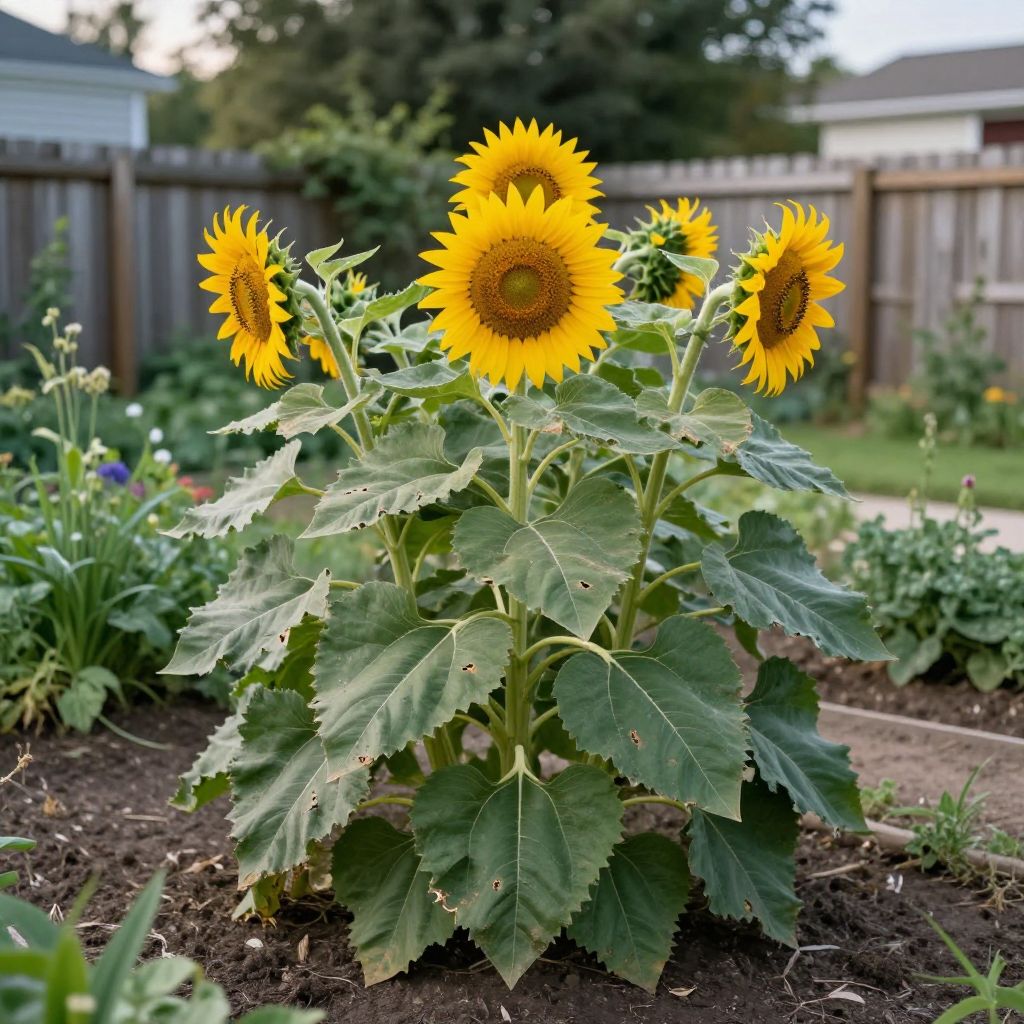
Are sunflowers deer resistant? In many gardens, the answer is “somewhat, but not reliably.” Deer may ignore sunflowers when other food is plentiful, yet they will nibble seedlings, buds, and young plants if they’re hungry or the plants are easy to reach.
If you want to grow sunflowers successfully in deer country, it helps to understand when they’re most vulnerable and how to protect them. With the right planting choices and a few practical barriers, you can still enjoy tall, healthy blooms.
Are sunflowers deer resistant?
Sunflowers are often considered moderately deer resistant, but not deer-proof. Deer usually prefer softer, more tender plants, yet they may browse sunflower seedlings, leaves, flower buds, and even mature heads during dry spells or when food is scarce. Protection matters most in the early stages of growth.
Why deer sometimes eat sunflowers
Deer feeding habits change with the season, weather, and what else is available nearby. A plant that is “resistant” in one garden may be heavily damaged in another.
What makes sunflowers less appealing
- Rough, coarse stems as plants mature
- Large leaves that become less tender with age
- Strong growth that can outpace minor browsing
What still attracts deer
- Young seedlings with soft stems
- Succulent new growth after rain
- Flower buds before they open
- Seed heads later in the season, especially if wildlife pressure is high
Important: Deer resistance is never guaranteed. If deer regularly pass through your yard, treat sunflowers as a plant that needs protection, not a plant you can ignore.
How to protect sunflowers from deer
The best deer control is prevention. Once deer discover a food source, they often return, so it’s easier to protect sunflowers before damage starts.
1. Use physical barriers first
Fencing is the most dependable option. For home gardens, a tall fence is often the only truly reliable long-term solution.
- Temporary protection: Wire cages or sturdy plant guards around young sunflowers
- Garden fencing: A fence tall enough to discourage jumping, especially in open areas
- Row covers: Useful for seedlings, but remove them once plants need pollinator access
2. Protect seedlings early
Young sunflowers are the most vulnerable stage. If deer are active in your area, start with protection as soon as seedlings emerge or transplant them into the garden.
- Install a cage or barrier before deer notice the plants.
- Check the protection after wind, rain, or mowing.
- Expand the cage as the plant grows so stems are not rubbed or bent.
3. Try repellents as a support tool
Deer repellents can help, especially when used consistently, but they work best as part of a larger plan. Reapply after heavy rain and follow the label directions carefully.
- Use repellents before deer begin browsing heavily.
- Rotate products if deer become accustomed to one scent or taste.
- Apply to non-edible ornamental sunflowers only if the product label allows it.
4. Reduce easy access
Deer are less likely to linger when they feel exposed. Keep the area around sunflowers open and easy to monitor.
- Trim dense weeds or tall grass nearby
- Avoid planting sunflowers right against woodland edges if deer pressure is high
- Use companion plantings only if they do not hide deer movement or block your view
Best growing conditions for healthy sunflowers
Healthy, fast-growing sunflowers recover better from minor browsing and are more likely to outgrow early damage. Give them the right site and they’ll establish more quickly.
Sunlight
Sunflowers need full sun for strong stems and good flower production. Choose a location with at least 6 to 8 hours of direct sunlight each day.
Soil
They grow best in well-drained soil that is not overly compacted. Sunflowers tolerate average garden soil, but they perform better when the soil is loose enough for roots to spread.
- Work in compost to improve soil structure
- Avoid soggy spots where roots may rot
- Do not overfertilize with nitrogen, which can create weak, leafy growth
Watering
Water newly planted sunflowers regularly until they establish. After that, they are fairly drought-tolerant, but they still do best with consistent moisture during active growth and flowering.
- Water deeply rather than giving frequent shallow sprinkles
- Let the top layer of soil dry slightly between waterings
- Mulch lightly to help conserve moisture and reduce weeds
Planting tips that reduce deer damage
Good planting habits can make sunflowers less tempting and easier to protect. The goal is to get them growing quickly and keep them out of reach while they’re tender.
Start with larger transplants or direct sow carefully
Sunflowers are often direct-sown, but in deer-prone gardens you may prefer to sow in protected areas or start them where they can be watched closely. If you transplant, handle roots gently and water well afterward.
Group plantings can help
A few isolated plants are easier for deer to notice and browse. A larger patch is not a guarantee of safety, but it can make protection easier and reduce the chance that one deer destroys every plant.
Keep the bed tidy
Remove competing weeds and debris that can shelter deer or hide browsing damage. A clear planting area also helps you spot problems early.
Common deer damage and how to respond
Knowing what deer damage looks like helps you act quickly before the plant is set back too much.
Seedlings clipped or missing
If young plants disappear overnight, deer may be the cause. Replant only after adding stronger protection, or the same thing may happen again.
Leaves torn or stripped
Light browsing on mature plants may not kill them, but repeated leaf loss can slow growth and reduce bloom size. Add a barrier and monitor the plant closely.
Buds eaten before bloom
This is especially frustrating because the plant may look healthy until the flower stage. If deer are active, protect buds before they form or before they become noticeable.
Other pests and problems to watch for
Deer are not the only threat to sunflowers. Stress from pests or disease can make plants weaker and more appealing to browsing wildlife.
Birds and squirrels
Once seed heads form, birds and squirrels may feed on them. If you want seeds for harvest, use netting or harvest heads before wildlife strips them.
Insects
Aphids, caterpillars, and beetles may damage leaves or buds. Check the undersides of leaves and the growing tips regularly, especially during warm weather.
Fungal issues
Poor air circulation and wet foliage can contribute to mildew or leaf spots. Space plants properly and water at the base when possible.
Harvesting sunflowers around deer pressure
If you grow sunflowers for cut flowers or seed, deer protection should continue until harvest. A mature plant can still be damaged just as the blooms open or the seed heads fill out.
- Cut flowers when petals are just opening for the longest vase life
- For seed harvest, wait until the back of the head turns yellow-brown and seeds are mature
- Protect seed heads with netting or harvest promptly if deer or birds are active
Practical mistakes to avoid
Many gardeners lose sunflowers to deer because they wait too long to protect them or rely on one method alone.
- Don’t assume deer will ignore sunflowers. They often browse them when hungry.
- Don’t wait until damage appears. Prevention works better than rescue.
- Don’t use a short fence and expect full protection. Deer can clear surprisingly low barriers.
- Don’t overfeed with high-nitrogen fertilizer. Fast, soft growth can be more attractive and more fragile.
- Don’t forget to check protection regularly. A loose cage or broken stake can undo your efforts.
Final answer: are sunflowers deer resistant enough for your garden?
Sunflowers are only partly deer resistant, so they can work in a deer-prone garden if you plan ahead. Protect seedlings, use barriers where possible, and keep plants growing strongly in full sun with well-drained soil. If you want to improve your odds further, learn what deer tend to feed on and how their habits change through the season.
For more wildlife-smart gardening ideas, you may also find this helpful: what to feed deer.