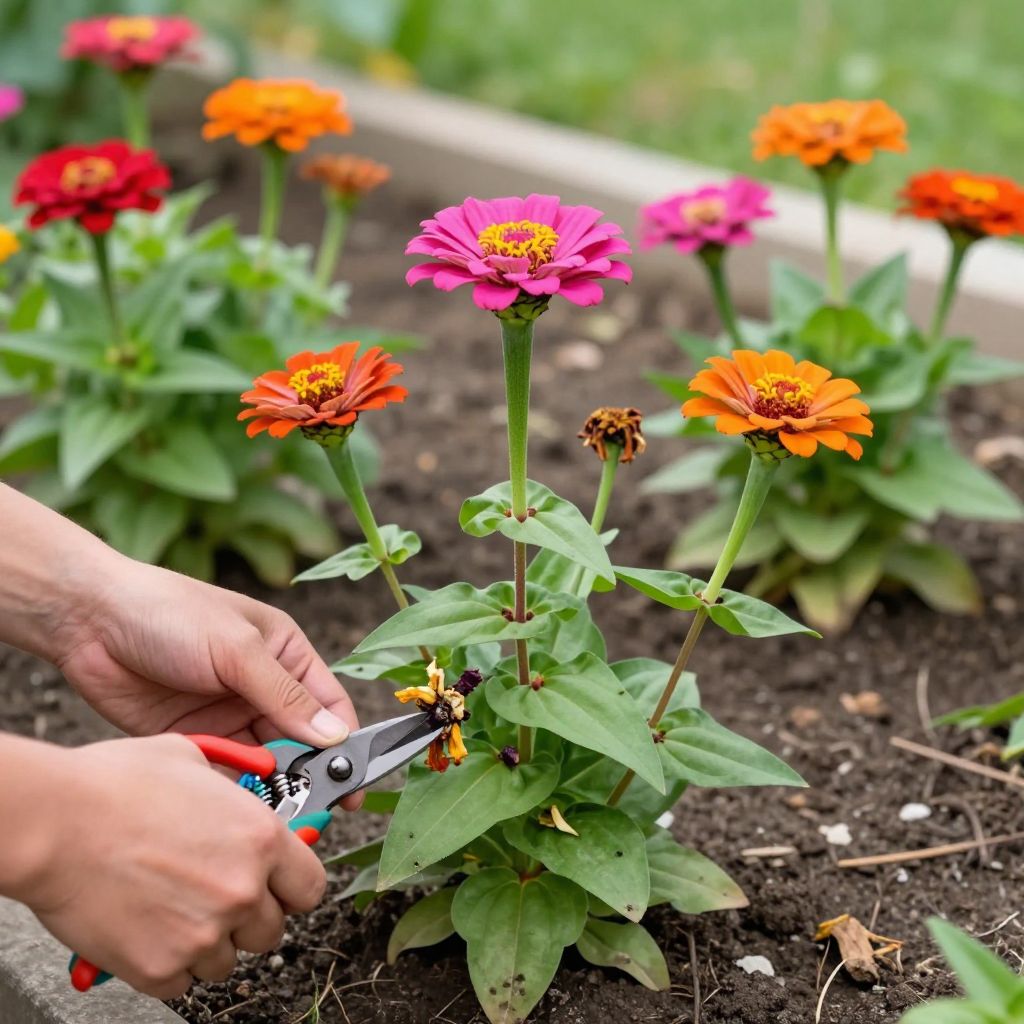
Do you deadhead zinnias? Yes—if you want more blooms, a tidier plant, and longer flowering through the season, deadheading is one of the best things you can do. Zinnias are fast-growing annuals that respond well to regular flower removal.
The good news is that deadheading zinnias is simple. With a few quick cuts, you can redirect the plant’s energy from seed production back into new buds, while also reducing spent blooms that can invite disease or make the plant look tired.
Do you deadhead zinnias?
Yes, deadheading zinnias is recommended for most home gardens. Removing faded flowers encourages the plant to produce more blooms instead of setting seed, and it keeps beds and containers looking fresh. If you want continuous color, check plants every few days and remove spent blossoms before they dry out completely.
Why deadheading zinnias helps
Zinnias are prolific bloomers, but each flower eventually fades and begins forming seed. Once that happens, the plant naturally shifts energy away from new flowers.
Deadheading tells the plant to keep blooming. It can also improve airflow and reduce the amount of decaying plant material sitting on the plant, which is helpful in humid weather.
Main benefits of deadheading
- More flowers over a longer season
- A neater, more attractive plant
- Less energy spent on seed production
- Reduced risk of old blooms holding moisture and rotting
How to deadhead zinnias the right way
Deadheading zinnias is easiest when you remove the full flower stem, not just the petals. Cutting back to a leaf node or a side shoot helps the plant branch and produce new blooms faster.
- Look for a flower that is fading, browning, or dropping petals.
- Follow the stem downward to the first strong set of leaves or side shoot.
- Use clean scissors, pruners, or pinch with your fingers if the stem is soft.
- Make the cut just above a leaf node or branching point.
- Remove spent blooms regularly, ideally every few days during peak flowering.
Tip: If you only snip off the flower head and leave a long bare stem, the plant may still look untidy. Cutting deeper encourages better regrowth.
Pinching vs. cutting
For young, soft stems, pinching spent blooms off by hand can work well. For thicker stems, use clean pruners or snips to avoid tearing the plant. Clean cuts heal better and reduce the chance of disease entering the stem.
When should you deadhead zinnias?
Deadhead zinnias as soon as blooms begin to fade. The best time is before the flower dries into a seed head, especially in warm weather when plants can move quickly from bloom to seed.
If you grow zinnias for a long season, make deadheading part of your regular garden walk. You do not need to wait for every flower to finish at once; remove them individually as they fade.
Signs a zinnia bloom is ready to remove
- Petals are wilted, browned, or curling
- The center looks dry and dull
- The bloom has lost its color and shape
- Seed development is starting in the center
Should you deadhead all zinnias?
Most garden zinnias benefit from deadheading, especially if you want continuous color. However, you may choose to leave a few flowers in place if you want to collect seed later or if you are allowing some blooms to mature for wildlife interest.
If seed saving matters to you, mark a few healthy flowers and stop deadheading those stems once the blooms are fully open and beginning to mature. That way you can harvest seed later without sacrificing the rest of the display.
Deadheading zinnias for more blooms and better shape
Deadheading is only one part of keeping zinnias productive. Good light, spacing, and watering habits also affect how well the plant reblooms after pruning.
Sunlight matters
Zinnias bloom best in full sun, which usually means at least 6 to 8 hours of direct light daily. In too much shade, plants may stretch, bloom less, and recover more slowly after deadheading.
Watering and airflow
Water at the base of the plant when the top inch or two of soil feels dry, adjusting for weather, soil type, and container size. Avoid wetting the foliage if possible, because zinnias can be prone to fungal problems in humid or crowded conditions.
Good spacing helps the plant dry quickly after rain or irrigation. Overcrowded zinnias may need more frequent cleanup because spent flowers and damp leaves can create disease pressure.
Soil, compost, and feeding for healthier reblooming
Zinnias grow best in well-drained soil that is moderately fertile. Rich soil with too much nitrogen can produce lots of leaves and fewer flowers, so avoid overfeeding if your goal is bloom production.
A light layer of compost worked into the soil before planting can help improve structure and moisture retention. In poor or sandy soil, compost is especially useful because it supports steady growth without making the soil soggy.
What to avoid
- Heavy, waterlogged soil that stays wet after rain
- Excess nitrogen fertilizer that encourages leafy growth over flowers
- Dense planting that limits airflow
Common mistakes when deadheading zinnias
Deadheading is simple, but a few common mistakes can reduce its benefits. The biggest one is removing only the petals and leaving the seed-forming base behind.
Mistakes to avoid
- Cutting too high and leaving a bare stem with no node below it
- Waiting until blooms are fully dried and seeding heavily
- Using dirty tools that may spread disease
- Removing healthy buds by accident when cutting crowded stems
If you are unsure where to cut, trace the stem downward until you find the next leaf pair or branching point. That is usually the best place for a clean cut.
Problems deadheading can help with
Deadheading will not solve every zinnia issue, but it can reduce a few common garden frustrations. It often helps plants look better after storms, heat waves, or a flush of early bloom that starts to fade.
Spent blooms and mildew
Zinnias can be affected by powdery mildew, especially late in the season or in humid climates. While deadheading does not cure mildew, it can improve airflow and remove old tissue that may hold moisture.
Leggy or tired-looking plants
If zinnias become leggy, deadheading alone may not fully restore them. Still, removing old flowers can encourage branching and make the plant look less exhausted. If stems are very long and sparse, also check whether the plants need more sun or better spacing.
Can you cut zinnias for bouquets and still deadhead them?
Yes. In fact, cutting zinnias for bouquets is similar to deadheading and can encourage even more blooms if you cut above a leaf node. Harvesting flowers regularly often keeps the plant producing new stems.
For the best results, cut flowers early in the day when stems are firm and hydrated. Use clean snips and remove enough stem so the plant can branch from the remaining growth point.
How to keep zinnias blooming longer
Deadheading works best when combined with a few steady care habits. Think of it as part of an overall maintenance routine rather than a one-time task.
- Plant in full sun
- Space plants for airflow
- Water deeply when needed, but do not keep soil soggy
- Remove faded blooms regularly
- Watch for powdery mildew, aphids, and other pests
- Harvest flowers often if you want bouquets
Practical rule: the more often you remove spent blooms, the more likely zinnias are to keep producing fresh flowers.
Should you let some zinnias go to seed?
You can, especially if you want to save seed for next year or allow a few flowers to mature naturally. Just know that once a zinnia puts energy into seed, it usually slows down flower production on that stem.
If you want both seed and flowers, leave only a few selected blooms to mature and deadhead the rest. That gives you a balance between seed saving and a long-lasting display.
Conclusion
So, do you deadhead zinnias? Yes—regular deadheading is one of the easiest ways to keep them blooming, tidy, and productive. Remove faded flowers back to a leaf node, keep plants in full sun, and maintain good airflow for the healthiest results.
If you want to keep learning about zinnia care and seasonal flower maintenance, consider reading more about annual flower deadheading basics and how to grow zinnias in containers.