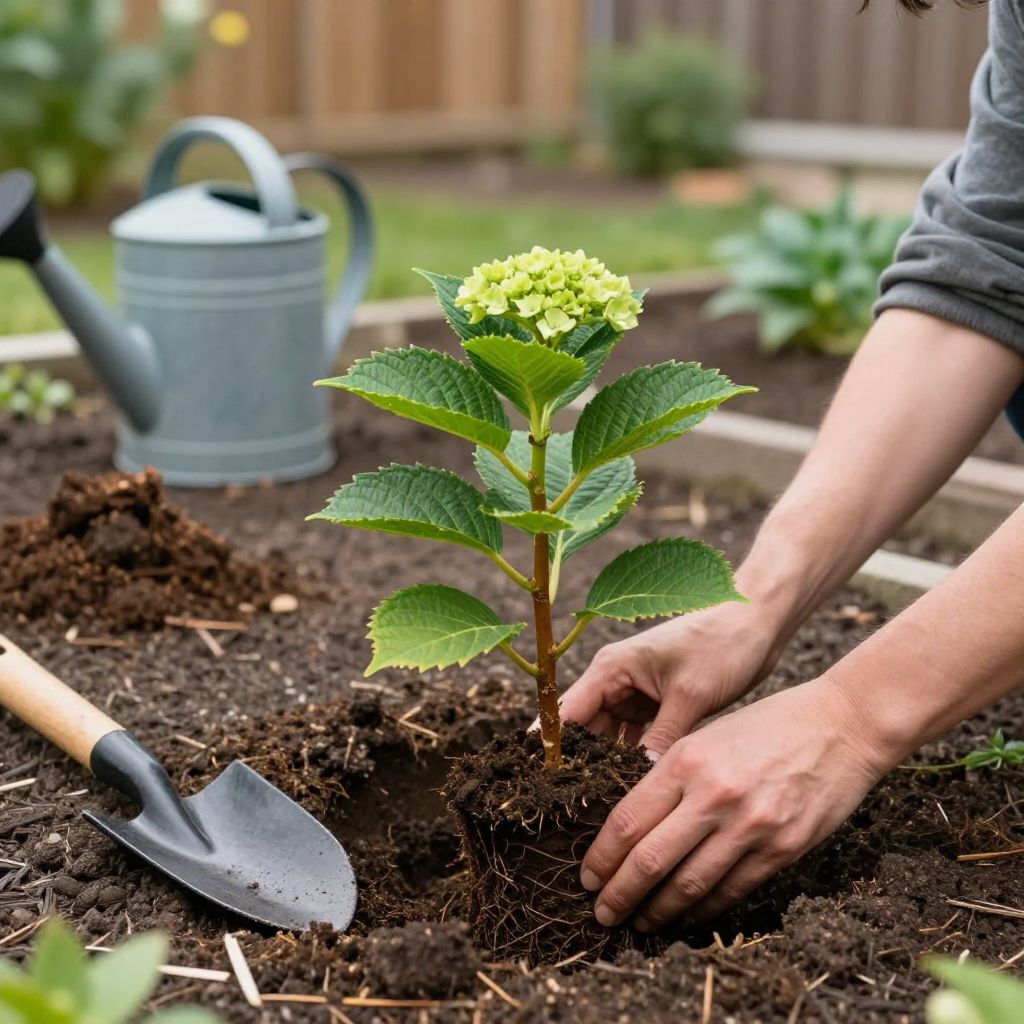
When do you plant hydrangeas? The best time is usually in spring or early fall, when temperatures are mild and the soil is workable. That timing helps the roots settle in before summer heat or winter cold. The exact window depends on your climate, your hydrangea type, and whether you’re planting a container-grown shrub or a bare-root plant.
If you choose the right season and prepare the planting site well, hydrangeas are generally easy to establish. The key is to avoid extreme heat, frozen ground, and soggy soil, then give the shrub steady moisture while roots grow into the surrounding bed.
When do you plant hydrangeas?
Plant hydrangeas in spring after the last hard frost or in early fall at least 6 to 8 weeks before the ground freezes. In cooler climates, spring planting is safest. In mild regions, fall planting can work very well because roots grow in cool soil without the stress of summer heat.
Best planting season by climate
Spring planting
Spring is the most reliable time for most gardeners. Once the soil has thawed and you can dig it easily, hydrangeas can be planted and watered in before the hottest weather arrives.
- Good for cold-winter regions.
- Helps new plants root before summer stress.
- Gives you the full growing season to monitor watering and growth.
Fall planting
Fall is often ideal in areas with mild winters. The soil is still warm enough for root growth, but cooler air reduces transplant stress. Just make sure the plant has enough time to settle in before hard freezes.
- Best for regions with long, mild autumns.
- Works well when summer heat has passed.
- Needs consistent watering until the ground cools.
Summer planting
Summer planting is possible, but it is the riskiest option. If you must plant then, choose a cloudy day, water deeply, and provide temporary shade during the hottest part of the day. Container-grown hydrangeas handle summer transplanting better than bare-root plants, but they still need extra care.
Winter planting
In most climates, winter is not a good time to plant hydrangeas because frozen or waterlogged soil slows root growth and can damage new roots. If your climate is very mild and the ground stays workable, planting may be possible, but it is still less dependable than spring or fall.
How to plant hydrangeas successfully
Hydrangeas establish best when planted in the right spot with loose, moisture-retentive soil and good drainage. Before planting, check the mature size of the variety so you can give it enough room to grow without crowding walls, walkways, or other shrubs.
- Choose the site. Most hydrangeas do best in morning sun and afternoon shade, especially in warmer regions.
- Test drainage. Dig a hole and fill it with water. If it stays soggy for hours, improve drainage or choose another spot.
- Prepare the soil. Mix in compost to improve structure and moisture retention.
- Dig the hole wider than the root ball. Make it about 2 times as wide, but no deeper than the root ball height.
- Set the plant level. The top of the root ball should sit even with or slightly above the surrounding soil.
- Backfill gently. Firm the soil lightly to remove air pockets, but do not compact it hard.
- Water thoroughly. Soak the root zone right after planting.
- Mulch. Apply 2 to 3 inches of mulch, keeping it a few inches away from the stems.
Soil, sun, and spacing basics
Soil
Hydrangeas prefer rich, evenly moist soil that drains well. Heavy clay can work if you improve it with organic matter, while very sandy soil may need more compost to hold moisture. Do not plant hydrangeas in standing water; root rot becomes a real risk.
Sunlight
Most hydrangeas grow best with several hours of morning sun and protection from harsh afternoon sun. In cooler climates, they can take more sun. In hot climates, too much afternoon exposure can scorch leaves and dry the soil too quickly.
Spacing
Give hydrangeas enough room for air circulation and mature spread. Crowded shrubs dry unevenly, are harder to prune, and can be more prone to disease. Check the plant tag or nursery label for the expected width before you dig.
Container-grown vs. bare-root hydrangeas
Container-grown plants
Most home gardeners buy hydrangeas in containers, and these can be planted whenever the weather is suitable. If the roots are circling tightly inside the pot, loosen them gently before planting so they can grow outward into the soil.
Bare-root plants
Bare-root hydrangeas are usually planted while dormant, often in early spring or late fall depending on the seller and your climate. They must be planted promptly and kept moist, but not waterlogged, while they establish.
Watering after planting
Newly planted hydrangeas need steady moisture, especially during the first growing season. The soil should stay evenly moist, not soggy. Water deeply at the base of the plant so moisture reaches the root zone, and check the soil often during warm, windy, or dry weather.
- Water more often in sandy soil.
- Water less often in cool, rainy weather.
- Use mulch to slow evaporation and reduce stress.
Pruning and timing concerns
One common mistake is pruning hydrangeas at the wrong time. Some types bloom on old wood, while others bloom on new wood, and that affects when you should trim them. If you are unsure which type you have, avoid heavy pruning until you identify it.
General pruning guidance
- Remove dead, damaged, or crossing stems as needed.
- Do not cut back healthy stems heavily unless you know the plant blooms on new wood.
- Wait to shape the shrub until you understand its flowering habit.
Common problems after planting
Wilting leaves
Wilting often means the plant is drying out, but it can also happen if roots were damaged during planting or if the soil is too wet. Check the soil first. If it is dry, water deeply. If it is wet and heavy, improve drainage and avoid overwatering.
Leaf scorch
Brown, crispy leaf edges usually mean too much sun, wind, or drought stress. Move the plant if possible, or use mulch and more frequent watering to reduce stress.
Poor flowering
Hydrangeas may bloom poorly if they were planted in too much shade, pruned at the wrong time, or stressed by drought. New plants may also need a season to settle in before they flower heavily.
Pests and disease
Hydrangeas can sometimes attract aphids, spider mites, or scale, and they may develop leaf spots or powdery mildew in humid, crowded conditions. Good spacing, morning watering, and removing badly affected leaves help reduce problems.
Can you plant hydrangeas in pots?
Yes, hydrangeas can be grown in large containers if you use a roomy pot with drainage holes and a quality potting mix that holds moisture without becoming soggy. Container plants dry out faster than in-ground shrubs, so they need closer attention, especially in summer.
- Choose a pot large enough for root growth.
- Use a container mix, not garden soil.
- Water whenever the top inch of mix feels dry.
- Protect pots from harsh winter exposure if your climate is cold.
Propagation and transplanting
If you already have a healthy hydrangea, you may be able to propagate it from cuttings or divide a clump if the species and growth habit allow it. Transplanting established shrubs is best done while they are dormant or in cool weather, with as much root ball intact as possible.
Quick planting checklist
- Plant in spring or early fall when temperatures are mild.
- Choose a site with morning sun and afternoon shade if possible.
- Improve soil with compost and ensure good drainage.
- Set the plant at the same depth it grew in the pot.
- Water deeply after planting and keep the soil evenly moist.
- Mulch to conserve moisture and protect roots.
- Avoid heavy pruning until you know the bloom type.
Conclusion
If you are wondering when do you plant hydrangeas, aim for spring or early fall and adjust for your local climate. Pick a well-drained spot, water consistently, and give the shrub time to establish before extreme heat or cold arrives. For more help with shrub care and garden timing, you may also want to read related planting and pruning guides on hydrangea care and seasonal shrub maintenance.