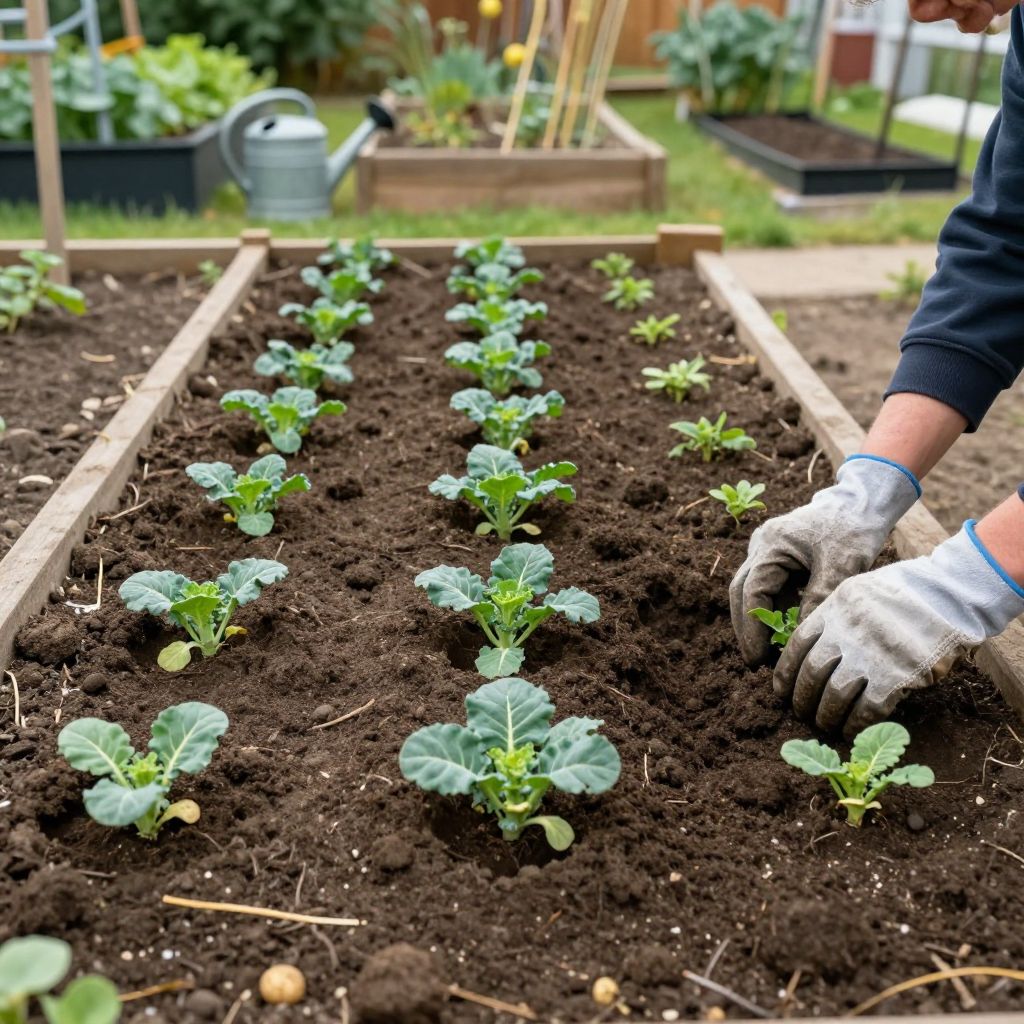
Wondering what to plant after potatoes? The best follow-up crops are usually those that benefit from cleaner soil, fewer potato-specific diseases, and a different nutrient demand. In most gardens, that means leafy greens, brassicas, legumes, root crops, or cover crops, depending on the season and how much time you have before frost.
The key is to avoid planting another potato crop right away and to choose plants that help break pest and disease cycles while making good use of the bed. With a little soil prep, you can turn a potato patch into a productive space for the rest of the year.
What To Plant After Potatoes?
After potatoes, plant crops from a different family, such as beans, peas, lettuce, spinach, kale, cabbage, carrots, beets, radishes, or a cover crop. These choices help reduce disease carryover, use the soil well, and fit the season. Avoid planting potatoes, tomatoes, peppers, or eggplants in the same spot right away.
Why crop rotation matters after potatoes
Potatoes are heavy feeders and can leave behind pests and diseases that affect other nightshades. Rotating to a different plant family helps protect your next crop and improves long-term soil health.
One of the biggest reasons to think carefully about what to plant after potatoes is disease pressure. Common potato problems such as blight, scab, wireworms, and nematodes can linger in soil or plant debris, especially if the bed stays damp or the crop was stressed.
Rotation also helps balance nutrient use. Potatoes often do best with added organic matter and moderate fertility, but the next crop may need less nitrogen or may benefit from a different soil structure entirely.
Good rotation goals
- Break the cycle of potato pests and diseases.
- Use leftover soil fertility efficiently.
- Keep the bed covered and productive.
- Improve soil structure with roots, mulch, or compost.
Best crops to plant after potatoes
Your best choice depends on the season, your climate, and whether you want a quick harvest or a soil-building crop. These are the most reliable options for most home gardens.
Leafy greens
Lettuce, spinach, arugula, Swiss chard, and Asian greens are excellent after potatoes because they grow quickly and do not share the same major disease family. They also make good use of residual soil moisture and can be planted in cooler weather.
These crops work especially well if you harvest potatoes in midsummer and still have several weeks of warm weather left, or if you are planting in early fall.
Brassicas
Kale, cabbage, broccoli, cauliflower, collards, and mustard greens are strong follow-up crops if your season allows enough time. They prefer fertile, well-drained soil and benefit from the compost left behind after a potato crop.
Because brassicas can be vulnerable to cabbage worms and flea beetles, use row cover early if those pests are common in your area.
Legumes
Bush beans, pole beans, peas, and shelling beans are smart choices after potatoes because they belong to a different plant family and can help add nitrogen to the soil through their root nodules. They are especially useful if the potato bed was heavily cropped.
For best results, make sure the bed is not overly rich in fresh nitrogen, since that can push leafy growth instead of pod production.
Root crops
Carrots, beets, turnips, radishes, and rutabagas can follow potatoes well if the soil is loose, stone-free, and not compacted from harvest. Potatoes often leave behind a friable bed, which root crops appreciate.
Be careful with carrots and parsnips if the bed still contains chunks of undecomposed potato roots or if the soil was recently disturbed deeply. Smooth, evenly worked soil gives better root shape.
Cover crops and green manures
If the season is ending or you do not want another edible crop right away, sow a cover crop such as clover, vetch, rye, oats, or a mix suited to your climate. Cover crops protect the soil, suppress weeds, and add organic matter when turned in or cut down later.
This is often the best answer to what to plant after potatoes if you harvested late in the season or the bed needs a rest.
What not to plant after potatoes
Do not follow potatoes with other nightshades in the same bed if you can avoid it. That includes tomatoes, peppers, eggplants, and more potatoes. These crops share many of the same diseases and pests, so planting them back-to-back raises your risk.
Even if the bed looks healthy, disease organisms can remain in soil or on leftover plant material. A rotation of at least 2 to 4 years away from nightshades is a safer approach in most gardens.
Also avoid these mistakes
- Leaving potato vines, tubers, or diseased debris in the bed.
- Planting another heavy feeder without adding compost.
- Ignoring soil compaction after digging potatoes.
- Replanting the same crop family too soon.
How to prepare the bed after harvesting potatoes
Good bed preparation makes the next crop easier to establish. After harvest, remove all visible potato tubers, especially small missed ones that could sprout later and compete with your new plants.
- Clear out potato vines, roots, and any diseased plant material.
- Inspect the soil for leftover tubers and remove volunteers.
- Loosen compacted areas gently with a fork or broadfork.
- Top-dress with 1 to 2 inches of finished compost if the bed looks tired.
- Rake the surface smooth and water lightly before planting if the soil is dry.
If blight or another serious disease was present, do not compost infected tops unless your compost system reliably reaches high temperatures throughout the pile. It is safer to discard diseased material according to local garden waste guidance.
Soil condition matters
Potatoes prefer loose soil, and that same looseness helps many follow-up crops. Still, avoid overworking wet soil, which can create clods and compaction. If the bed is wet after harvest, wait until it crumbles easily in your hand before reworking it.
Choosing the right crop by season
The best answer to what to plant after potatoes changes with the calendar. A crop that works in late spring may be a poor choice in early fall.
If you harvested potatoes in spring or early summer
You may still have enough time for beans, bush cucumbers in a warm climate, sweet corn in some regions, or fast greens if heat is not extreme. In hotter areas, choose heat-tolerant greens or legumes and keep the soil evenly moist.
If you harvested potatoes in midsummer
Fast crops are usually the best fit. Try bush beans, beets, carrots, radishes, lettuce, or a fall brassica transplant if your frost date is far enough away.
If you harvested potatoes in late summer or fall
Short-season greens and root crops may still fit, but a cover crop is often the most practical choice. In colder climates, oats, rye, or winter peas can protect the bed until spring.
Planting tips for the most common follow-up crops
Different crops need different spacing and care, but a few basics apply to most of them after potatoes. Start with clean soil, even moisture, and enough light for the crop you choose.
Leafy greens
- Sow seeds shallowly or transplant young starts.
- Keep the soil consistently moist until established.
- Use light mulch to reduce drying and weeds.
- Provide afternoon shade in very hot climates if needed.
Beans and peas
- Plant only after the soil has warmed enough for the crop.
- Do not over-fertilize with nitrogen.
- Support pole beans with a trellis or poles.
- Water at the base to reduce leaf disease.
Root crops
- Remove stones and large clods for straight roots.
- Thin seedlings early so roots have room to size up.
- Keep moisture steady to prevent cracking or woody texture.
- Avoid fresh manure, which can deform roots.
Cover crops
- Sow at the right time for your climate and frost window.
- Water lightly after sowing if rainfall is not expected.
- Mow or cut before seed set if the crop is annual.
- Work the crop into the soil or leave it as mulch, depending on the species.
Watering, feeding, and mulch after potatoes
After potatoes, the bed may still hold some moisture, but that does not mean the next crop can be ignored. New seedlings and transplants need steady moisture while they establish roots.
Use compost first, then add more fertilizer only if the crop you choose needs it. A light compost top-dressing is usually enough for leafy greens and many brassicas, while beans generally need less feeding than heavy fruiting crops.
Mulch can help a lot, especially in warm weather. A thin layer of straw, shredded leaves, or fine compost helps conserve moisture and suppress weeds, but keep mulch a little back from tiny seedlings so they do not rot or struggle to emerge.
Common problems after planting the next crop
Some issues are more likely right after potatoes because the bed has been disturbed and may still carry pest pressure. Catching them early makes a big difference.
Volunteer potatoes sprouting
Missed tubers can sprout and compete with your next crop. Pull them promptly, including as much of the tuber as possible, or they may keep returning.
Poor germination
If seeds fail to sprout, the soil may be too cold, too dry, crusted over, or still full of debris. Recheck seed depth, keep the surface evenly moist, and lightly rake away crust if needed.
Yellowing or weak growth
This can happen if the bed is depleted, waterlogged, or too compacted. Add compost, improve drainage, and avoid overwatering. If the crop is a heavy feeder, a balanced organic fertilizer may help, but only after you know the soil is not already rich in nitrogen.
Insect pressure
Flea beetles, aphids, cabbage worms, and slugs may show up depending on the crop you plant next. Use row cover, hand-picking, traps, or targeted organic controls as appropriate for the pest and crop.
A simple rotation plan for a potato bed
If you want an easy system, think in terms of families and seasons rather than trying to repeat the same crop. A practical rotation might look like this: potatoes one year, leafy greens or legumes next, brassicas or root crops after that, then return to potatoes only after a few years.
This kind of rotation helps maintain a healthier garden bed and usually leads to fewer pest headaches over time. It also gives you more flexibility to match crops to weather and harvest windows.
Conclusion: make the potato bed work for you
The best thing to plant after potatoes is usually a crop from a different plant family that fits your season, such as beans, leafy greens, brassicas, root crops, or a cover crop. Clear out all potato debris, refresh the soil with compost if needed, and choose the next crop based on light, temperature, and time to harvest.
If you are planning your next bed, it can also help to read more about crop rotation and soil preparation before you plant again.