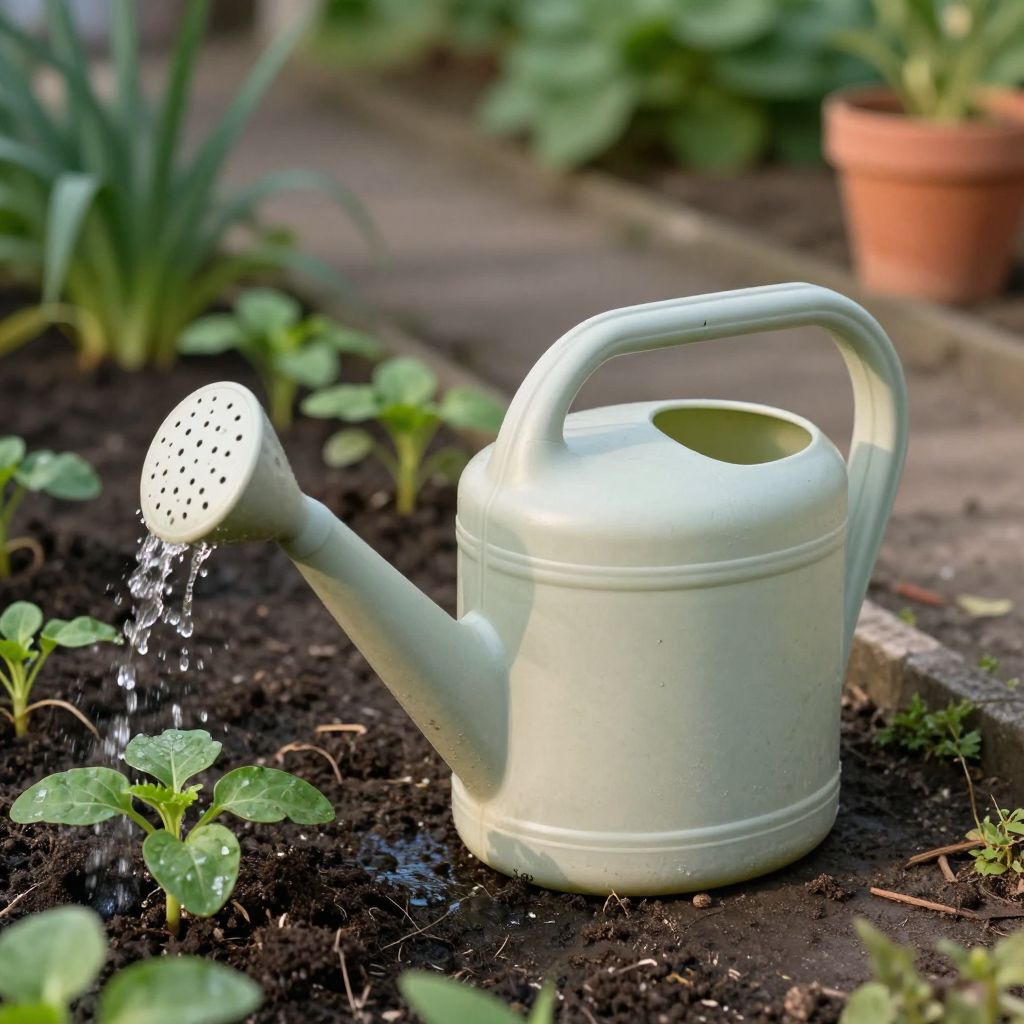
If you’re wondering whether a plastic watering can is a good choice for your garden, the short answer is yes—if you choose the right size, shape, and spout for the job. A well-made plastic watering can is lightweight, affordable, and easy to carry, which makes it especially useful for houseplants, seedlings, containers, and small garden beds.
The key is using it correctly. The best watering can helps you water evenly without compacting soil, splashing foliage, or overwatering tender plants. Here’s how to pick one, use it well, and avoid the most common mistakes.
What is a plastic watering can, and when should you use one?
A plastic watering can is a lightweight hand-held container with a handle, spout, and often a removable rose for gentle watering. It works best for targeted watering of pots, seed trays, hanging baskets, and small beds, especially where you need control rather than high volume.
Why choose a plastic watering can for gardening?
Plastic watering cans are popular because they are practical for everyday garden tasks. They are usually easier to lift when full than metal cans, and they won’t rust.
- Lightweight: easier on wrists and shoulders, especially when watering many pots.
- Affordable: good for beginners or for keeping several cans in different garden areas.
- Non-corrosive: suitable for regular use with plain water.
- Easy to clean: helpful if you use them for indoor plants or seedlings.
Plastic is not perfect, though. Cheaper cans can crack in sun or cold, and some become brittle over time. If you garden outdoors year-round, look for thicker plastic and store the can out of direct weather when possible.
When a plastic watering can is the better choice
- Watering seedlings or newly transplanted plants.
- Indoor plant care where you need precision.
- Balcony, patio, or container gardens.
- Small raised beds or mixed borders.
When you may want something else
- Large vegetable beds that need frequent deep watering.
- Very large containers that require a lot of water at once.
- Gardens far from a water source, where a hose or rain barrel setup is more efficient.
How do you choose the right plastic watering can?
Choose a can that matches your plants, your strength, and how far you need to carry water. For most home gardeners, a smaller can with a comfortable handle and a balanced shape is more useful than a large one that becomes heavy and awkward when full.
Size and capacity
Common watering can sizes range from about 1 to 2 gallons for home use, though smaller indoor cans are also common. A larger can means fewer refills, but it also means more weight.
- Small cans: best for indoor plants, seedlings, and shelves.
- Medium cans: a good all-purpose choice for patios and mixed containers.
- Large cans: useful if you have many pots, but only if you can lift them safely when full.
Spout and rose design
The spout controls how water lands in the pot or bed. A long, narrow spout helps you reach under foliage and direct water to the soil. A removable rose, or sprinkler head, breaks the stream into gentle droplets, which is ideal for seedlings and delicate plants.
- Use the rose attachment for seedlings, newly sown trays, and fragile foliage.
- Remove the rose for established plants that need water delivered more quickly at the base.
- Choose a spout that pours smoothly without dribbling or splashing.
Handle comfort and balance
Try to hold the can before buying if you can. A comfortable top handle and a well-balanced body matter more than appearance. A can that tilts awkwardly is harder to control and more likely to spill.
How should you use a plastic watering can correctly?
Water slowly and aim at the soil, not the leaves, unless you are rinsing dust from foliage or watering a plant that prefers overhead moisture. The goal is even moisture in the root zone, not a quick splash that runs off the surface.
- Fill the can with clean water at a comfortable temperature, ideally close to ambient conditions.
- Attach the rose if you need a softer flow.
- Hold the spout low and close to the soil surface.
- Water in a steady circle around the plant, not just at the stem.
- Pause if water begins to pool, then let it soak in before adding more.
Tip: For pots, water until you see a little drainage from the bottom holes. That helps ensure the root ball is evenly moistened, not just the top layer.
Indoor plants vs. outdoor plants
Indoor plants usually need more controlled watering because excess water has nowhere to go except the saucer or floor. Always empty saucers after watering unless the plant specifically benefits from brief bottom moisture.
Outdoor plants in beds often need deeper, less frequent watering than container plants. A plastic watering can is excellent for establishing transplants, but larger beds may eventually need a hose, drip system, or rainwater collection setup for efficiency.
What mistakes should you avoid with a plastic watering can?
Most watering problems come from how the can is used, not the can itself. Small changes in technique can make a big difference in plant health.
- Overwatering: frequent shallow watering can keep roots near the surface and encourage rot in poorly drained soil.
- Watering too fast: a hard pour can dislodge seedlings and compact the soil surface.
- Ignoring drainage: even a perfect watering can cannot fix a pot without drainage holes.
- Using a cracked can: leaks waste water and make it hard to judge how much you are applying.
- Leaving water in full sun: warm, stagnant water can be unpleasant for plants and may encourage algae in the can.
How to tell if you are overwatering
Signs can include persistently wet soil, yellowing leaves, limp growth, fungus gnats in houseplants, or a sour smell from the potting mix. If this happens, let the soil dry more between waterings and check that the container drains freely.
How to tell if you are underwatering
Plants may wilt, dry out quickly after watering, or develop crispy leaf edges. In containers, the mix may pull away from the pot sides. If this happens, water more thoroughly and check whether the potting mix contains enough organic matter to hold moisture.
How do you care for the watering can itself?
Good maintenance extends the life of a plastic watering can and keeps it working smoothly. A clean can also helps prevent clogged roses and unpleasant smells.
- Rinse it out regularly, especially if you use collected rainwater or liquid fertilizer.
- Remove debris from the rose holes with water and gentle brushing.
- Store it upside down or in a dry place so water does not sit inside.
- Keep it out of harsh sun when possible to slow plastic wear.
- Check handles, seams, and the spout for cracks before the busy season.
If you use fertilizer in the can, rinse it well afterward. Residue can clog the rose and may leave deposits inside the container.
Can you use a plastic watering can for seedlings and propagation?
Yes, and this is one of its best uses. Young plants need gentle, even moisture because their roots are shallow and easily disturbed. A watering can with a fine rose helps you moisten the surface without washing seeds away.
For seeds and cuttings
- Use a fine rose or misting-style flow.
- Water the surface lightly so the mix stays evenly damp, not saturated.
- Check trays daily, because small containers dry faster than garden soil.
For cuttings, keep the medium lightly moist rather than wet. Constant saturation can reduce oxygen around the base and increase the risk of rot.
How does soil type affect watering with a plastic watering can?
Soil and potting mix strongly affect how often you need to water. Sandy soils drain quickly and may need more frequent watering, while clay soils hold water longer but can become waterlogged if you add too much at once.
In containers
Most container plants dry out faster than plants in the ground because pots have limited soil volume and more exposure to air and sun. Use a watering can to apply water slowly so it soaks through the full root zone.
In garden beds
Garden beds usually need deeper watering less often, depending on rainfall, temperature, and soil structure. Watering cans are ideal for spot-watering new plants, herbs, and small beds, but they are less efficient for large areas in hot weather.
What are the best watering habits through the seasons?
Seasonal weather changes how much water plants need, so adjust your routine rather than following a fixed schedule. A plastic watering can is useful year-round, but the amount and frequency of watering should change with temperature, light, wind, and plant growth.
- Spring: new growth often needs regular moisture, especially after transplanting.
- Summer: containers may need frequent attention, particularly during heat or wind.
- Autumn: reduce watering as growth slows, but do not let evergreens or overwintering pots dry out completely.
- Winter: indoor plants usually need less water, while protected outdoor pots may still dry out on bright, cold days.
Always check the soil first. A finger test is simple: if the top inch or two feels dry, many plants are ready for water; if it still feels moist, wait and check again later.
How can you make a plastic watering can work better in the garden?
Small adjustments can make a basic watering can much more effective. The goal is to improve control, reduce waste, and keep plant roots healthy.
- Use two cans if you garden in different areas, such as indoors and outdoors.
- Keep one can dedicated to plain water and another for diluted liquid feed if needed.
- Choose a can with a narrow spout for indoor use and a larger one for patio containers.
- Water early in the day when possible so foliage dries faster outdoors.
- Direct water to the base of plants to reduce leaf wetness and splashback.
Common pest and disease concerns linked to watering
Overly wet soil can invite fungus gnats in houseplants and increase the risk of root problems. Wet foliage, especially in crowded beds, can also contribute to leaf disease in susceptible plants. A controlled watering can helps you avoid both issues by targeting the root zone.
Conclusion: make the watering can work for your plants
A plastic watering can is a simple tool, but it can make a big difference when you use it with care. Choose a size you can lift comfortably, water slowly at the soil line, and adjust your routine to the season, plant type, and growing conditions.
If you want to improve your plant care further, next read about container gardening basics and how to water houseplants correctly.