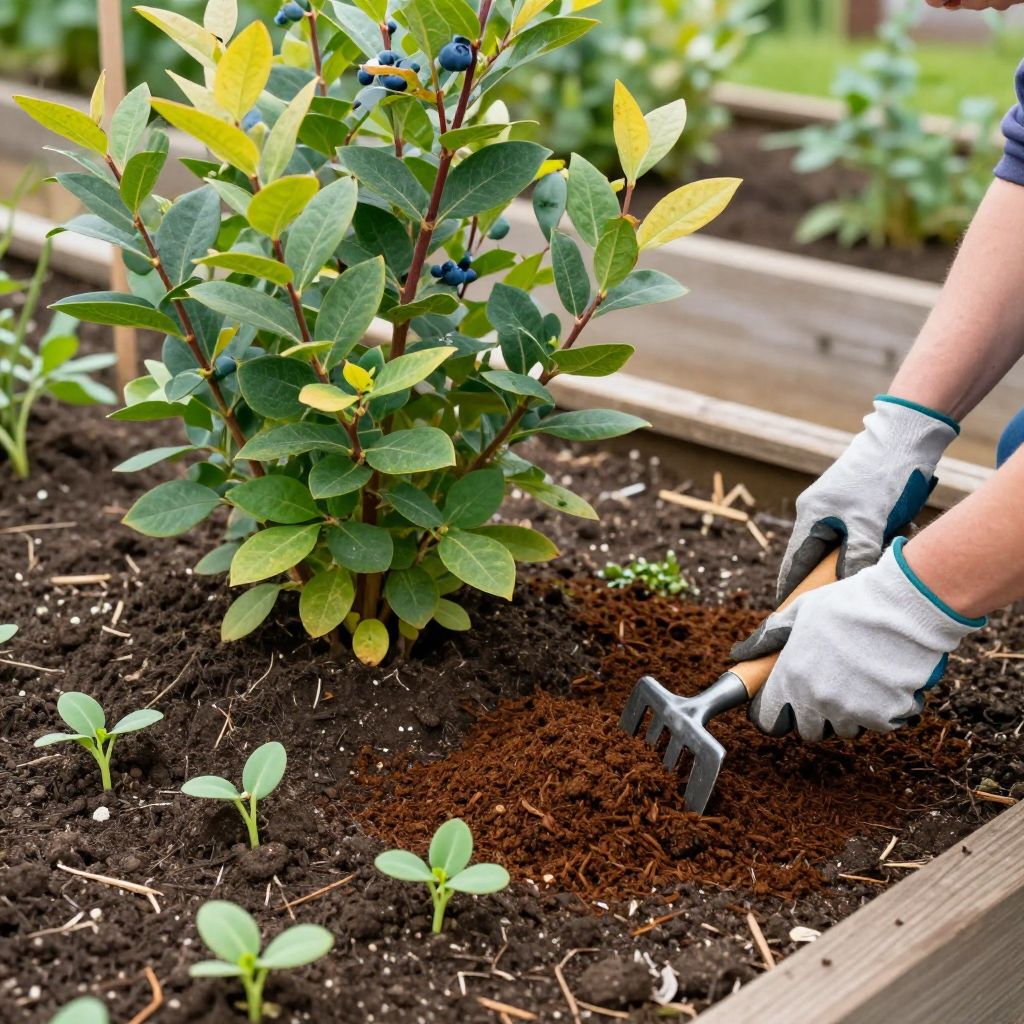
What plants don’t like coffee grounds? If you’ve heard coffee grounds are a free garden booster, it’s smart to ask before sprinkling them around everything. Coffee grounds can help some compost piles and acid-loving plants when used correctly, but they can also cause problems for certain plants and growing situations.
The key is knowing when grounds are useful, when they’re risky, and how to use them without changing soil conditions in the wrong direction. Here’s how to tell which plants usually do best without coffee grounds, and how to keep your soil healthy instead.
What plants don’t like coffee grounds?
Plants that prefer neutral to alkaline soil, dislike extra organic mulch on the surface, or are sensitive to compacted, nitrogen-imbalanced soil often don’t respond well to coffee grounds. These include many vegetables, seedlings, drought-tolerant plants, and plants growing in containers where grounds can hold too much moisture or form a crust.
Why coffee grounds can be a problem
Coffee grounds are not a universal fertilizer. Used in the wrong way, they can create more trouble than benefit.
They can change soil behavior at the surface
Fresh or thick layers of coffee grounds can mat together, especially when wet. That crust can block air and water from reaching roots and seeds.
They are not a balanced fertilizer
Grounds contain some nitrogen, but they are not a complete plant food. Relying on them alone can leave plants short on other nutrients they need for steady growth, flowering, or fruiting.
They can affect drainage in pots
In containers, coffee grounds may stay wet too long if mixed heavily into potting soil. That is a problem for plants that prefer free-draining conditions, because soggy roots are more likely to rot.
They may encourage the wrong kind of soil surface
When coffee grounds are used as a thick topdressing, they can attract mold or fungus gnats in some indoor and greenhouse setups. That does not always mean a plant is harmed, but it is a sign the application is too heavy.
Plants that usually don’t like coffee grounds
Rather than a strict “never,” think in terms of plant preference and soil type. These groups are the most likely to dislike coffee grounds when they are used fresh, in excess, or as a heavy mulch.
1. Plants that prefer alkaline or neutral soil
Many plants do best in soil that is not acidic. Coffee grounds are often described as acidic, but the real issue is usually how they affect soil structure and microbial activity rather than a dramatic pH shift. Still, plants that dislike acidic conditions are not good candidates for regular ground applications.
- Lavender
- Rosemary
- Thyme
- Many Mediterranean herbs
- Some clematis and lilacs, depending on soil and site
2. Seedlings and newly planted seeds
Tender seedlings are easily stressed by crusting soil and uneven moisture. Coffee grounds on the surface can interfere with germination or make it harder for tiny roots to establish.
3. Root crops
Carrots, radishes, beets, parsnips, and similar crops need loose, even soil. Heavy coffee-ground use can make the seedbed less uniform and can reduce straight, smooth root development.
4. Plants that hate soggy soil
Any plant that prefers sharp drainage may struggle if grounds are mixed too heavily into the root zone or used as a thick mulch.
- Succulents
- Cacti
- Lavender
- Many alpine plants
- Some herbs in pots
5. Indoor plants in containers
Houseplants are often the easiest place to overdo coffee grounds. In a pot, even a small amount can stay wet, compact, and moldy if it is not fully composted first.
How to use coffee grounds safely if you still want to garden with them
If you want to recycle coffee grounds, the safest method is usually composting. That lets the grounds break down and blend with other materials before they ever touch your plants.
Best practice: add them to compost, not directly to soil
- Collect used coffee grounds and let them cool.
- Mix them into a compost pile with dry “brown” materials such as leaves, shredded paper, or straw.
- Keep the pile balanced and aerated so it does not become dense or slimy.
- Use the finished compost as a soil amendment, not as a thick layer of pure grounds.
If you apply grounds directly, keep it light
For outdoor beds, a very thin layer can be acceptable if it is mixed into the topsoil or covered with other mulch. Avoid piling grounds around stems or trunks.
- Use only a light dusting, not a blanket
- Mix into the top inch or two of soil if appropriate
- Do not let grounds form a visible crust
- Stop if water starts pooling or running off
For containers, be extra cautious
Potting mixes already need good drainage. If you use coffee grounds in containers, compost them first and use them sparingly. Never replace potting mix with grounds, and avoid adding them to pots that already stay wet for a long time.
Signs your plant is reacting badly to coffee grounds
If you’ve already used coffee grounds, watch the plant and the soil surface. Problems usually show up in the root zone first.
- Soil stays wet too long after watering
- A crust forms on the surface
- Seedlings fail to emerge evenly
- Leaves yellow or growth slows after application
- Mold appears on the top layer of potting mix
- Fungus gnats become more noticeable indoors
What to do if you see trouble
If the soil looks sealed or soggy, gently remove excess grounds from the surface. For potted plants, you may need to repot into fresh mix if drainage is badly affected. For garden beds, rake the top layer lightly and add coarse organic mulch such as shredded leaves or bark to improve structure.
Plants that often do better with other soil amendments
Some plants simply respond better to compost, leaf mold, aged manure, or a balanced fertilizer than to coffee grounds. If your goal is healthier growth, choose the amendment that matches the plant’s needs.
Good alternatives to coffee grounds
- Finished compost for general soil improvement
- Leaf mold for woodland plants and moisture retention
- Aged bark mulch for shrubs and ornamentals
- Balanced fertilizer when a plant needs specific nutrients
- Coarse sand or grit for drainage-loving plants in the right mix
Common mistakes to avoid
Most coffee-ground problems come from overuse, not from the grounds themselves. A few simple habits will keep you out of trouble.
- Do not use fresh grounds as a thick mulch.
- Do not assume coffee grounds replace fertilizer.
- Do not spread them heavily around seedlings.
- Do not mix them deeply into container soil.
- Do not use them on plants that need very free-draining soil unless they are fully composted.
How to decide if a plant is a good candidate
When you are unsure, use the plant’s natural habitat as your guide. Plants from dry, rocky, or alkaline conditions are usually poor matches for direct coffee-ground use. Plants that like rich, humus-filled soil may tolerate composted grounds better, especially when blended with other organic matter.
Ask these quick questions
- Does this plant need fast drainage?
- Is it a seedling or newly planted root?
- Is it in a pot that already stays damp?
- Does it prefer alkaline or neutral soil?
- Am I using composted grounds or fresh grounds?
If you answer “yes” to the first four questions, skip the coffee grounds or use them only in compost. If you answer “yes” to the last question, you have a much safer option.
Simple seasonal and maintenance tips
In spring, avoid heavy coffee-ground use around new seedlings and transplants. In summer, watch container plants closely, because warm weather can speed up mold and fungus gnat issues if the surface stays damp. In fall, coffee grounds are usually best reserved for the compost pile, where they can break down over winter.
For ongoing maintenance, focus on soil texture, drainage, and plant-specific needs. A healthy garden depends more on balanced organic matter and proper watering than on any single amendment.
Conclusion
What plants don’t like coffee grounds? The safest answer is: plants that need sharp drainage, seedlings, root crops, many container plants, and species that prefer neutral to alkaline soil. If you want to reuse grounds, compost them first and apply them lightly, or skip them entirely and choose a better amendment for the plant.
For more practical soil-building advice, you may also want to read about composting basics and how to choose the right mulch for your garden.