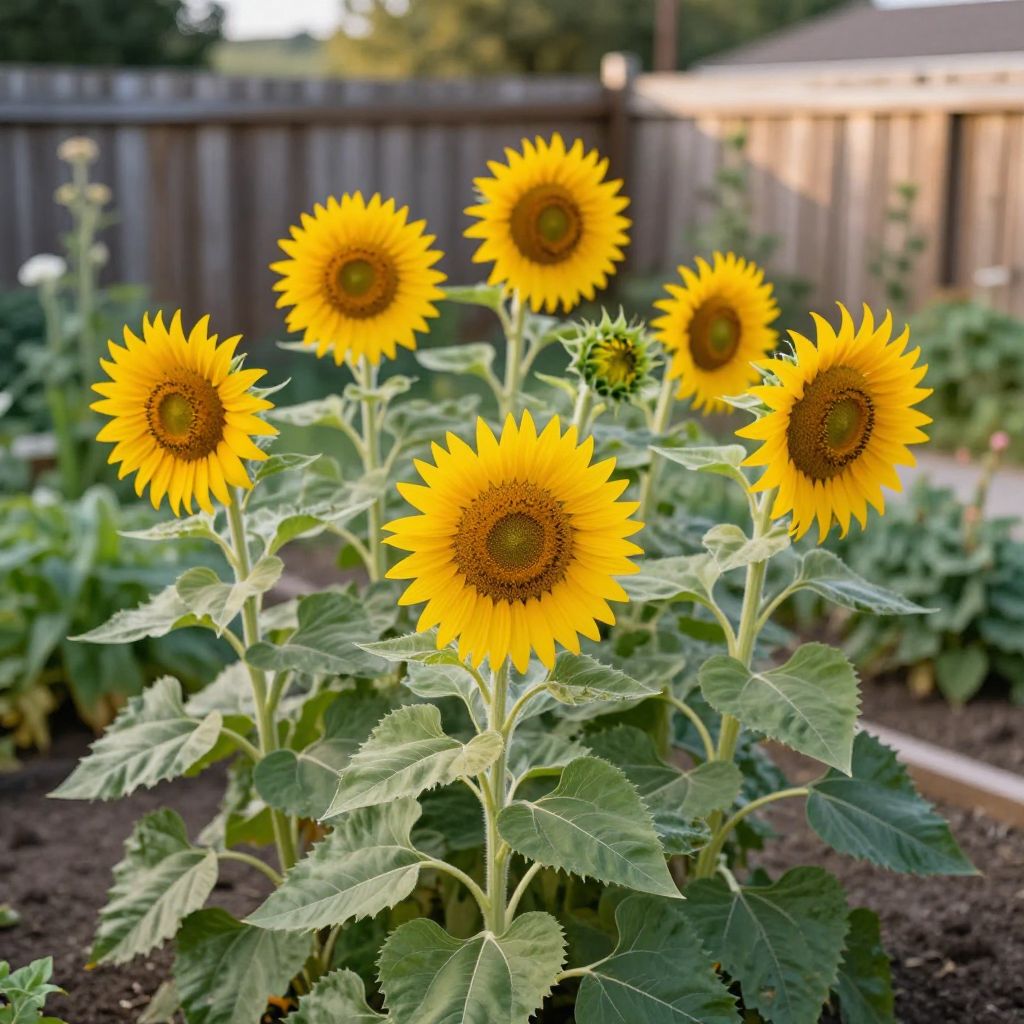
When are sunflowers in season? In most gardens, sunflowers bloom in summer, with peak flowering from mid-summer into early fall. The exact season depends on your climate, planting time, and sunflower variety, but the plants themselves are usually sown in spring after frost and harvested once the flower heads mature.
If you want a longer display, you can stagger sowings every couple of weeks and choose varieties with different heights and bloom times. With the right planting window, sunflowers are one of the easiest annual flowers to grow for bright color, pollinators, and cut blooms.
When Are Sunflowers In Season?
Sunflowers are typically in season from late spring through fall, but the main bloom period is summer. Seeds are planted after the last frost, seedlings emerge in about a week or two in warm soil, and flowers usually open 60 to 120 days later depending on the variety.
Understanding the Sunflower Season
Spring: planting time
Sunflowers are warm-season annuals, so they are usually planted outdoors once the soil has warmed and frost risk has passed. In cooler regions, that may be late spring; in mild climates, it can be earlier.
Direct sowing is best for most sunflowers because they dislike root disturbance. If you start them indoors, use deep pots and transplant carefully before roots become crowded.
Summer: peak bloom
This is when most gardeners see sunflowers at their best. Tall varieties, branching types, and pollen-free cut-flower forms all tend to bloom in the warmest part of the season, especially with full sun and steady moisture.
In very hot climates, flowering may slow during extreme heat, but healthy plants usually keep producing buds if they are well watered and not stressed.
Fall: seed ripening and late blooms
Later plantings can bloom in early fall, especially in areas with a long growing season. After petals fade, the backs of the heads turn yellow-brown and the seeds begin to mature.
If you want bird seed or edible seeds, leave heads on the plant until the seeds are plump and the backs of the heads dry down.
How to Time Sunflower Planting for Your Climate
The best planting date depends on your local frost dates and soil temperature, not just the calendar. Sunflower seeds germinate best in soil that is at least about 55°F, and faster in warmer soil.
- Cool climates: sow after the last spring frost and when soil has warmed.
- Temperate climates: plant from mid-spring through early summer for staggered blooms.
- Warm climates: you may be able to sow earlier in spring and again for a fall bloom.
- Short seasons: choose earlier-blooming varieties so flowers open before frost.
If you are unsure, wait until nights are reliably mild and the soil feels warm to the touch. A cold, wet seedbed often leads to slow germination and rot.
Best Growing Conditions for Healthy Sunflowers
Sunlight
Sunflowers need full sun, which means at least 6 to 8 hours of direct light each day. More sun usually means stronger stems, larger blooms, and better seed production.
Soil and drainage
They grow best in loose, well-drained soil with moderate fertility. Heavy clay can work if it drains well, but waterlogged soil can stunt young plants and encourage disease.
If your soil is poor, mix in compost before planting. Compost improves structure, helps moisture retention, and gives seedlings a better start without making the soil overly rich.
Spacing
Give sunflowers room to grow. Smaller varieties may need only 6 to 12 inches between plants, while tall or branching types often need 18 to 24 inches or more.
Good spacing improves airflow, which helps reduce problems like mildew and leaf spotting.
How to Plant Sunflowers
- Choose a sunny spot with well-drained soil.
- Loosen the top few inches of soil and remove weeds.
- Mix in compost if the soil is thin or compacted.
- Sow seeds about 1 inch deep, following the packet for variety size.
- Water gently after planting to settle the soil.
- Thin seedlings if needed so the strongest plants have enough space.
For a longer season of blooms, sow a few seeds every 2 to 3 weeks during your planting window. This simple step spreads out flowering and keeps the garden looking fresh.
Sunflower Care Through the Season
Watering
Water regularly while plants are young so roots establish deeply. Once established, sunflowers are fairly drought-tolerant, but they bloom best with consistent moisture during bud formation and flowering.
Water at the base of the plant rather than overhead when possible. Wet foliage can encourage fungal disease, especially in humid weather.
Feeding
Sunflowers usually do not need heavy fertilizing, especially if your soil already has compost. Too much nitrogen can produce tall, leafy plants with fewer flowers and weaker stems.
If growth is slow in poor soil, a balanced soil amendment or compost top-dressing is usually safer than overfeeding.
Staking tall varieties
Very tall sunflowers may need support in windy sites. Use a sturdy stake and soft ties before the plant starts leaning badly, so you do not damage the roots later.
Planting in a sheltered location or along a fence can also help protect tall stems.
Common Problems That Affect Sunflower Season
Seedlings disappear or fail to emerge
Birds, squirrels, slugs, or cool wet soil can all cause poor germination. If seeds vanish, try protecting them with light netting or row cover until seedlings are established.
Weak stems and floppy plants
This often happens when sunflowers are grown in too much shade or in soil with too much nitrogen. Move future plantings to a brighter spot and avoid overfeeding.
Mildew, rust, or leaf spots
These problems are more likely in crowded plantings or humid conditions. Space plants properly, water at the soil line, and remove badly affected leaves if needed.
Insect pests
Aphids, caterpillars, and beetles may feed on sunflower leaves or buds. Most light infestations can be managed by hand-picking, spraying with a strong stream of water, or encouraging beneficial insects.
If pests are severe, check plants early and often so damage does not build up during the short flowering season.
When to Harvest Sunflowers
Harvest timing depends on what you want from the plant. For cut flowers, pick blooms when petals are just opening and the center is still fresh. For seeds, wait until the back of the flower head turns yellow-brown and the seeds look full.
For cut flowers
Cut in the cool part of the day and place stems in water right away. Choose blooms before they are fully mature if you want the longest vase life.
For edible or bird seed
Let the flower head dry on the plant if possible. Covering the head with mesh or breathable fabric can help protect ripening seeds from birds and squirrels.
Once the seeds are mature, cut the head and finish drying it in a dry, airy place if the weather turns wet.
Extending the Sunflower Season
If you want sunflowers for as long as possible, combine early, midseason, and late plantings. You can also grow different types together, such as dwarf border sunflowers, tall single-stem varieties, and branching types that keep producing new blooms.
- Stagger sowing dates by 2 to 3 weeks.
- Choose varieties with different days to bloom.
- Plant in a sunny, warm site to speed growth.
- Remove spent flowers on branching types to encourage more buds.
For the longest display, avoid planting all your seeds on the same day. A few small sowings often give better results than one large planting.
Final Tips for Getting Sunflowers in Season at the Right Time
The short answer to when are sunflowers in season is summer, with planting in spring and seed ripening in late summer or fall. Your local frost dates, soil warmth, and variety choice will shape the exact timing, so adjust your schedule to your climate rather than relying on a fixed date.
For more practical garden planning, you may also want to read about how to start seeds outdoors and choosing the best flowers for full sun once you have your sunflower bed ready.