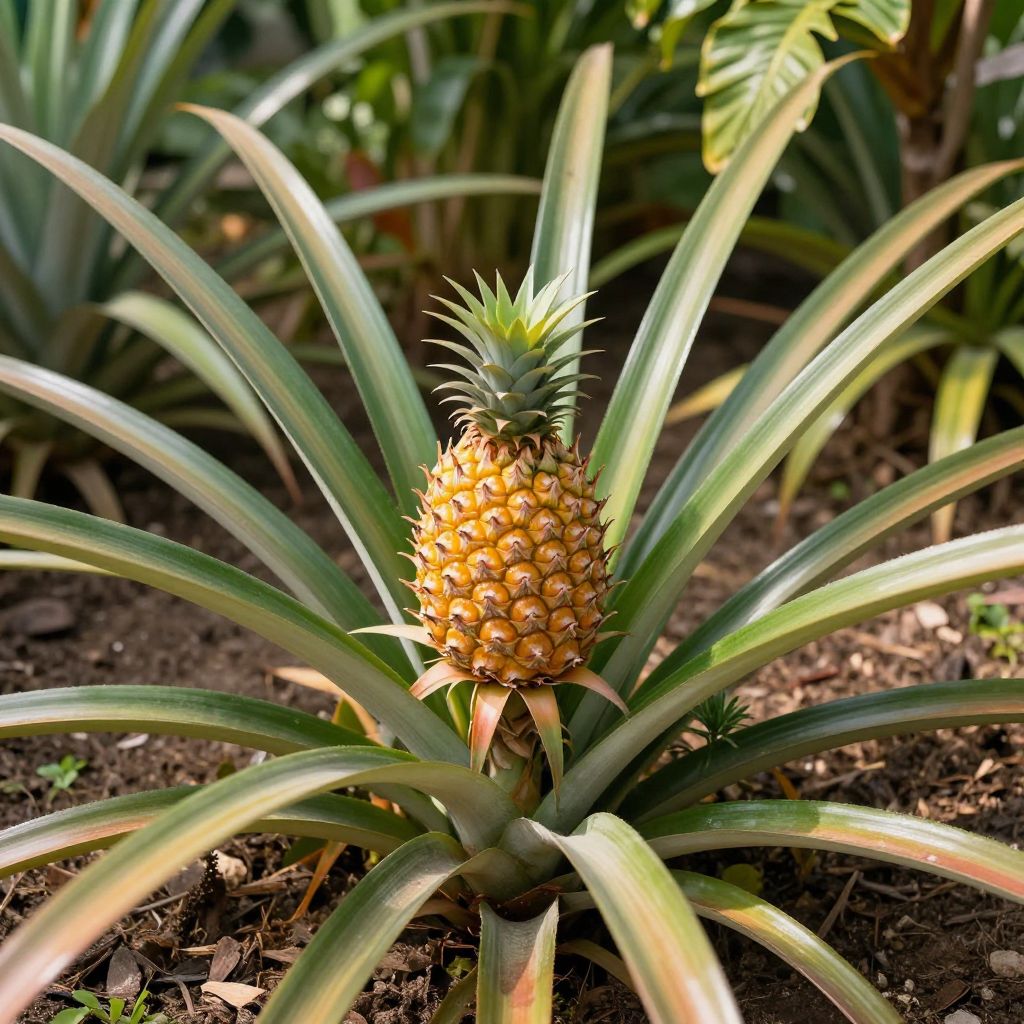
If you’re wondering when are pineapples in season, the short answer is: it depends on where they’re grown. In warm tropical and subtropical climates, pineapples can be harvested year-round, but individual plants usually produce their main crop during warm weather and after enough maturity time. In cooler regions, the fruit you buy in stores is often imported, so the “season” can vary by source.
For home gardeners, the more useful question is when a pineapple plant is ready to fruit and how to tell when the fruit is ripe. With the right warmth, sun, drainage, and patience, Ananas comosus can reward you with a sweet harvest at the right stage.
When are pineapples in season?
Pineapples are generally available year-round in many markets because they’re grown in tropical regions and shipped from different places at different times. For home growers, the plant fruits when it has matured enough, usually after a long warm growing period. The best harvest time is when the fruit has developed full color, a strong aroma, and a slight give at the base.
How pineapple season works in the garden
Pineapples do not follow a short, narrow season the way some temperate fruits do. In frost-free climates, plants can grow and set fruit whenever conditions stay warm enough, and harvest timing depends more on plant age and weather than on a calendar month.
What affects fruiting time
- Temperature: Pineapples grow best in warm conditions and slow down in cool weather.
- Light: Full sun supports stronger growth and better fruit development.
- Plant maturity: Young plants need time to build enough size before flowering.
- Climate consistency: Sudden cold, waterlogging, or drought can delay fruiting.
If you are growing pineapples outdoors in a tropical or subtropical garden, you may see flowers and fruit at different times of the year. In a greenhouse or sunny indoor setup, timing is even more dependent on the plant’s health and available light.
How to tell when a pineapple is ready to harvest
A pineapple is ready when the fruit has mostly turned from green to golden-yellow, especially near the base, and gives off a sweet smell. The “eyes” flatten slightly, the fruit feels firm but not rock hard, and the leaves on top are fresh rather than dried out. Color alone is not enough, so check several signs together.
Ripeness checklist
- Fruit has a sweet, noticeable fragrance.
- Lower portion shows yellow or golden color.
- Fruit feels heavy for its size.
- Shell is firm, with a little spring when gently pressed.
- Crown leaves are green and healthy.
Do not wait too long. Pineapples do not continue to sweeten much after harvest, so picking at the right stage matters more than waiting for the fruit to soften a lot.
Growing conditions that help pineapples reach harvest
If you want a reliable harvest, focus on steady growth rather than trying to force a season. Pineapples need warmth, strong light, excellent drainage, and soil that does not stay soggy.
Sunlight
Give pineapples full sun outdoors whenever possible. In very hot climates, light afternoon shade can help prevent stress, but too much shade leads to weak growth and poor fruiting.
Soil and drainage
Pineapples prefer loose, well-drained soil. Heavy clay or constantly wet beds can cause root problems and delay fruiting, so improve the planting area with compost and coarse material if drainage is poor.
A simple container mix should drain quickly while still holding some moisture. A mix designed for cacti, bromeliads, or other fast-draining plants often works better than dense potting soil alone.
Watering
Water thoroughly, then let the top layer of soil dry slightly before watering again. Pineapples are drought-tolerant once established, but they dislike standing water around the roots.
- Water more often during active warm-weather growth.
- Reduce watering when temperatures cool or growth slows.
- Avoid letting water sit in the crown for long periods in cool weather.
Planting and care tips for better fruiting
Whether you start from a crown, a sucker, or a nursery plant, the goal is the same: help the plant build strong roots and leaves before flowering. A healthy leaf rosette stores energy for fruit production.
Starting a pineapple plant
- Choose a healthy crown or young plant with firm, green leaves.
- Plant in a well-drained spot or container with a loose mix.
- Set the plant at the same depth it was growing before.
- Water lightly after planting, then keep the soil evenly moist but not wet.
- Place it in a warm, bright location.
Feeding
Use compost sparingly and avoid overfeeding. Pineapples benefit from balanced nutrition, but too much nitrogen can push leafy growth at the expense of fruit. If your soil is already rich, modest compost and good drainage may be enough.
Mulching
A light mulch can help conserve moisture and suppress weeds, but keep it away from the crown. Too much mulch packed against the stem can hold excess moisture and encourage rot.
Common problems that delay pineapple season
When pineapples fail to fruit on time, the cause is often environmental rather than mysterious. Most delays come from cold, poor drainage, low light, or a plant that simply has not matured yet.
Cold stress
Pineapples slow down in cool temperatures and can be damaged by frost. If you garden in a marginal climate, grow them in containers so you can move them to shelter when nights turn cold.
Overwatering
Wet roots are a common problem. If leaves yellow, growth stalls, or the base feels soft, check drainage immediately and let the soil dry more between waterings.
Low light
Plants in shade often stay alive but never build enough energy to flower. Move container plants to a brighter position if the leaves are long, floppy, or pale green.
Pests and disease
Watch for mealybugs, scale, and root rot, especially on indoor or container-grown plants. Inspect leaf bases and the undersides of leaves regularly, and remove badly affected tissue if needed.
- Keep tools clean when trimming or dividing plants.
- Remove dead or rotting leaves promptly.
- Do not crowd plants where air movement is poor.
Can you speed up pineapple fruiting?
Sometimes, but only if the plant is already healthy and mature enough. The safest way to encourage flowering is to provide ideal growing conditions and patience. In commercial production, flowering can be induced, but home gardeners should be cautious and avoid stressing the plant with poor care.
Instead of chasing a quick harvest, focus on these basics:
- Keep the plant warm and bright.
- Maintain even moisture without waterlogging.
- Use a free-draining growing medium.
- Protect the plant from cold snaps.
- Let the plant reach a good size before expecting fruit.
Harvesting and handling the fruit
Harvest pineapples with a clean, sharp tool or by twisting only if the fruit separates easily. Avoid tearing the stem or crown, since clean cuts reduce damage to the plant and fruit.
After harvest
If the plant has produced one main fruit, it may later send up offsets or suckers that can become new plants. This is one reason pineapple growing is a long-term garden project rather than a quick seasonal crop.
Propagation for future seasons
Home gardeners often extend their pineapple patch by replanting offsets, slips, or the crown from a ripe fruit. These new plants need warmth and time, so they are a good choice if you want a future harvest rather than an immediate one.
- Crown: The leafy top of the fruit; often used for propagation.
- Suckers: Side shoots from the base of the plant; usually faster to mature than crowns.
- Slips: Shoots that form near the fruit stalk; also useful for starting new plants.
Let cut surfaces dry briefly before planting to reduce rot risk, then place the new plant in a warm, bright, well-drained spot.
Practical takeaway for home gardeners
If you are asking when are pineapples in season, think in two ways: store-bought fruit is often available year-round, while garden-grown pineapples are ready when the plant is mature and the fruit shows clear ripeness signs. In your garden, the real “season” is the period of warm, bright, well-drained growth that leads to harvest.
For more growing guidance, you may also find it helpful to read about growing fruit in containers and improving garden drainage.