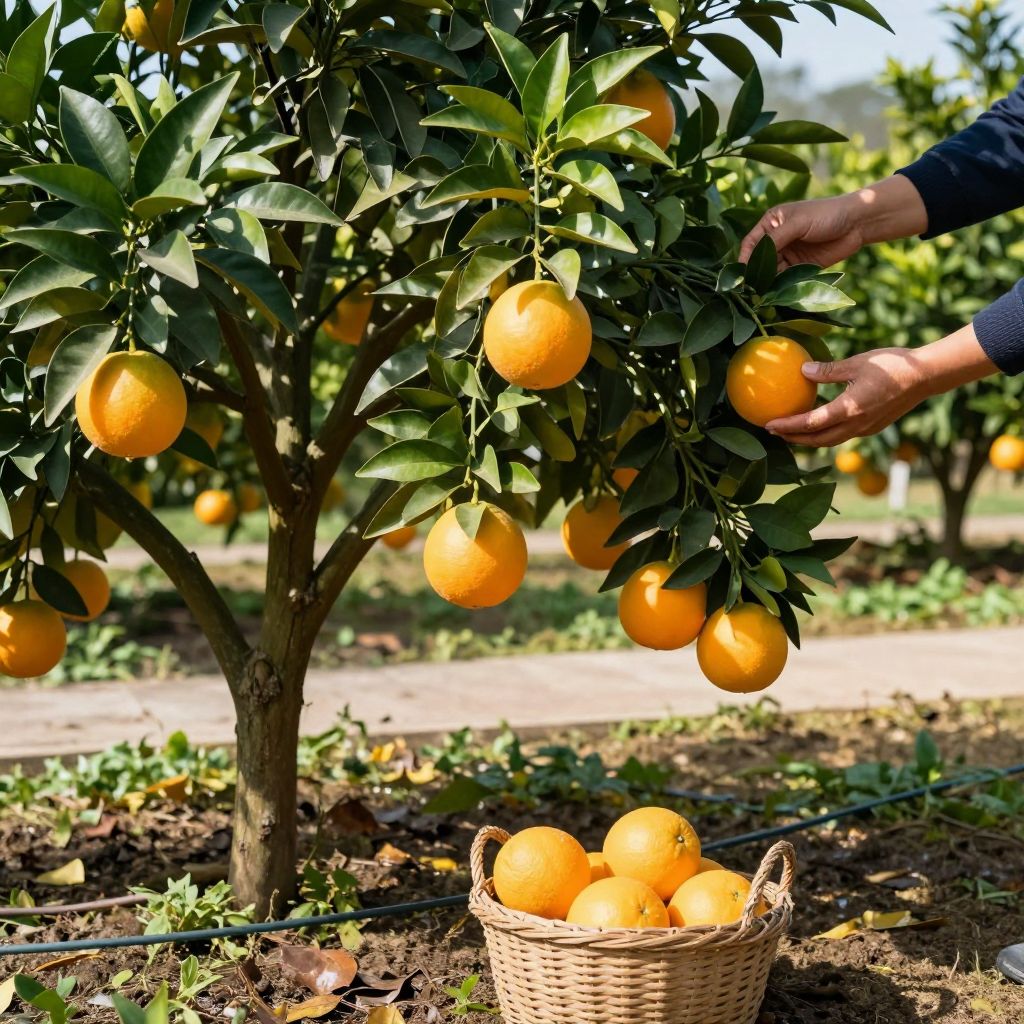
When are oranges in season? The short answer is that it depends on the variety and your climate, but most oranges ripen from late fall through spring. In many home gardens, you’ll see navel oranges first, followed by Valencia oranges later in the season. The best fruit is usually picked when it has developed full color, good sweetness, and comes away easily.
If you grow oranges yourself, timing matters for both harvest quality and tree care. Knowing the season helps you avoid picking too early, plan pruning and feeding, and protect young fruit from cold snaps, pests, and water stress.
When are oranges in season?
Oranges are generally in season from late fall to early summer, with timing varying by type and region. Navel oranges usually ripen in winter, while Valencia oranges often mature in spring and can hang on the tree into early summer. In warm climates, fruit may stay usable longer, but flavor is the best guide.
What affects orange season?
Orange season is shaped by variety, climate, and growing conditions. A tree in a warm inland area may ripen earlier than one near the coast, and fruit on a young tree often matures differently than fruit on a well-established tree.
Common timing differences by orange type
- Navel oranges: typically winter to early spring.
- Valencia oranges: often late spring to summer.
- Blood oranges: usually winter, though exact timing varies with temperature swings.
- Seville or bitter oranges: often winter, depending on local conditions.
These are broad patterns, not fixed dates. Local weather, rootstock, irrigation, and sunlight all influence when fruit reaches good eating quality.
How to tell when oranges are ready to harvest
Color alone is not enough. In some climates, oranges can be sweet before they are fully orange, and in warmer areas the peel may color slowly even when the fruit is ripe. Taste and texture matter more than appearance.
Signs your oranges are ripe
- The fruit feels heavy for its size.
- The peel has shifted from hard green to orange or yellow-orange, depending on variety.
- The fruit tastes sweet, with less sharp acidity.
- The rind gives slightly when pressed, but the fruit is not soft or mushy.
- The stem releases with a gentle twist or snip.
Tip: If you are unsure, pick one orange and taste it before harvesting the whole tree. Citrus does not continue to sweeten much after picking, so testing one fruit can save disappointment.
How to grow oranges for the best seasonal harvest
Healthy trees produce better fruit and more predictable harvests. Oranges need full sun, well-drained soil, and consistent care through the growing season. Poor drainage, shade, and irregular watering are common reasons fruit stays small, drops early, or tastes flat.
Best growing conditions
- Sunlight: at least 6 to 8 hours of direct sun daily.
- Soil: fertile, well-drained soil with plenty of organic matter.
- Drainage: essential; citrus roots dislike sitting in water.
- Air circulation: helps reduce fungal problems and pest pressure.
If your soil is heavy clay, grow oranges on a raised mound or in a raised bed to improve drainage. In containers, use a citrus potting mix or a free-draining mix designed for fruit trees.
Planting and spacing basics
Plant oranges where they have room to grow into a full canopy. Good spacing improves light penetration, which supports flowering and fruit quality. Avoid crowding citrus near large trees or fences that block sun.
- Choose a sunny, sheltered site.
- Dig a hole only as deep as the root ball and wider than it.
- Keep the graft union above soil level if the tree is grafted.
- Water deeply after planting, then monitor moisture closely during establishment.
Seasonal care that improves orange quality
Orange trees respond best to steady, moderate care rather than extreme feeding or watering. The goal is to keep the tree healthy through flowering, fruit set, and fruit development so the crop matures well in season.
Watering
Water deeply when the top few inches of soil begin to dry, then let excess water drain away. Young trees need more frequent attention than mature trees, especially in hot weather. Overwatering can reduce oxygen around the roots and lead to yellow leaves or root decline.
Avoid frequent shallow watering. It encourages weak surface roots and can make fruit quality uneven.
Mulching
Apply a 2- to 4-inch layer of organic mulch around the root zone, but keep it a few inches away from the trunk. Mulch helps conserve moisture, moderate soil temperature, and reduce weeds competing for water and nutrients.
Feeding
Use a balanced citrus fertilizer or compost-based feeding plan suited to your soil and tree age. Too much nitrogen can push leafy growth at the expense of flowering and fruit quality. If leaves are pale or growth is weak, a soil test can help you correct nutrient issues without guessing.
Pruning oranges for better fruiting
Light pruning helps maintain shape, remove dead wood, and improve airflow. Heavy pruning can reduce the next season’s crop because oranges often fruit on growth that has had time to mature.
Pruning tips
- Remove dead, damaged, or crossing branches.
- Thin crowded growth to let sunlight into the canopy.
- Cut back suckers from below the graft when they appear.
- Prune after the main harvest, not just before flowering.
Use clean, sharp pruners or loppers. Disinfect tools if you are removing diseased wood to reduce the spread of problems.
Common pests and diseases that affect orange season
Pests and diseases can delay ripening, reduce fruit size, or cause fruit drop. Catching problems early is one of the best ways to protect your harvest window.
Common pests
- Aphids: cluster on soft new growth and can distort leaves.
- Scale insects: appear as small bumps on stems and leaves.
- Spider mites: thrive in hot, dry conditions and can cause stippling.
- Citrus leafminer: damages tender new leaves and may weaken young trees.
Common diseases and issues
- Root rot: often linked to poor drainage or overwatering.
- Fungal leaf spots: more likely in humid, crowded plantings.
- Fruit drop: can result from stress, inconsistent watering, or pest damage.
For most home gardens, the best prevention is simple: keep the tree healthy, avoid waterlogged soil, prune for airflow, and inspect leaves and fruit regularly. If a problem keeps spreading, identify it before treating so you do not waste time on the wrong fix.
Growing oranges in containers
Container-grown oranges can fruit well if they get enough sun and are repotted before they become rootbound. This is a useful option in colder climates where trees must be moved indoors or protected in winter.
Container care essentials
- Use a large pot with drainage holes.
- Choose a free-draining citrus mix.
- Water when the top layer of mix dries, but do not let the pot sit in runoff.
- Rotate the pot occasionally so the canopy grows evenly.
- Repot or refresh the top layer of mix when roots become crowded.
Indoors, oranges need the brightest light you can provide, ideally a south-facing window or supplemental grow light. Indoor air is often dry, so watch for spider mites and leaf drop.
Harvesting oranges without damaging the tree
Harvest carefully so you do not tear bark or break fruiting spurs. Oranges are best picked by hand or with clean snips if the stem is stubborn.
- Check fruit color, weight, and flavor.
- Lift the fruit gently and twist slightly, or cut the stem with pruners.
- Place fruit in a shallow container to avoid bruising.
- Leave unripe fruit on the tree and recheck in a week or two.
Important: Oranges do not all ripen at once. Many trees hold fruit over several weeks, so it is normal to harvest in stages.
Common mistakes to avoid
- Picking by color alone instead of tasting first.
- Overwatering, especially in cool weather or heavy soil.
- Planting in shade or poorly drained ground.
- Pruning too hard and removing next season’s fruiting wood.
- Letting weeds or grass compete around the root zone.
- Ignoring pests on new growth and undersides of leaves.
Quick seasonal checklist for orange growers
- Watch for flowering and fruit set in spring.
- Keep watering even but not excessive during fruit development.
- Mulch to conserve moisture and protect roots.
- Inspect for pests every couple of weeks.
- Taste-test fruit before harvesting the whole tree.
- Prune lightly after harvest if needed.
Conclusion
When are oranges in season? For most home gardeners, the answer is late fall through spring, with exact timing depending on the variety and your climate. Start by checking fruit taste, not just color, and keep your tree healthy with sun, drainage, and steady care. If you want better harvests next year, make a note of when your tree ripens this season and adjust your watering and pruning accordingly.
If you want to improve your citrus results further, it also helps to read more about citrus tree care, soil drainage, and pruning practices for fruit trees.