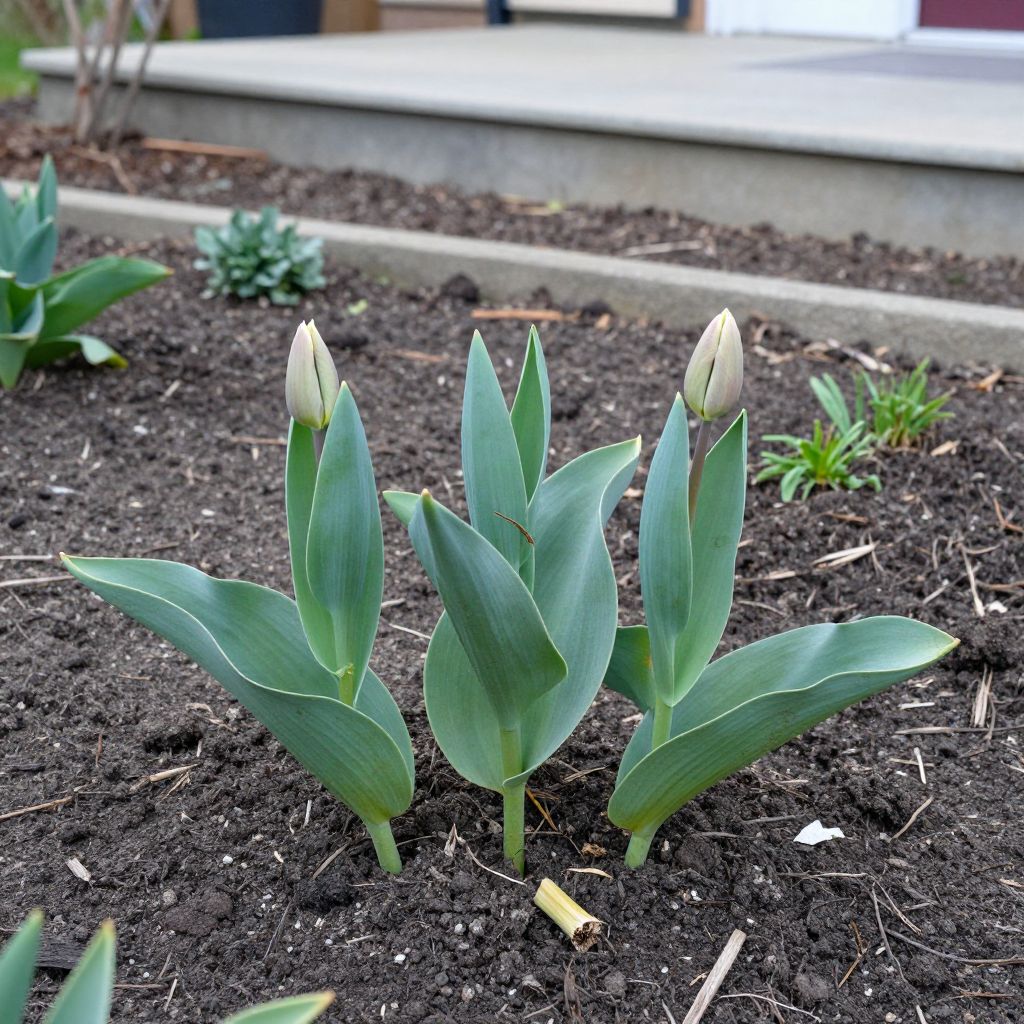
Do tulips come back? Sometimes they do, but not always the way gardeners hope. Tulips are perennial bulbs, yet many types perform best as short-lived spring displays, especially in warm or wet conditions. Whether they return depends on the variety, your climate, soil drainage, and how well the bulbs are cared for after flowering.
If you want tulips to rebloom year after year, the key is to help the bulb rebuild energy after bloom and to plant it in conditions that suit its needs. With the right site and a little post-bloom care, you can improve your chances of seeing flowers again next spring.
Do tulips come back?
Yes, tulips can come back, but many garden tulips decline after the first year or two. Species tulips and some Darwin hybrids are more likely to rebloom, while large-flowered bedding types often weaken if summers are hot, soils stay wet, or the bulbs are left crowded. Good drainage and post-bloom care make a big difference.
Why tulips sometimes return and sometimes don’t
Tulips store energy in their bulbs. After flowering, the leaves must stay healthy long enough to refill that energy supply for next year’s bloom.
If the bulb is stressed, it may still survive but produce smaller leaves, fewer offsets, or no flower at all. That is why a tulip can “come back” as foliage only, or disappear from the bed after a few seasons.
Main reasons tulips fail to rebloom
- Poor drainage: Bulbs rot in heavy, waterlogged soil.
- Too much shade: Weak light reduces energy storage.
- Leaves removed too early: The bulb cannot recharge.
- Hot summers: Some tulips need a cool, dry dormant period.
- Overcrowding: Bulbs compete for space and nutrients.
- Pests and disease: Rodents, bulb rot, and viral problems can weaken plants.
Which tulips are most likely to come back?
Some tulips are bred for repeat blooming better than others. If your goal is long-term return, choose types known for stronger perennial performance rather than treating all tulips the same.
Tulip types with better rebloom potential
- Species tulips such as Tulipa kaufmanniana, T. fosteriana, and related botanical types
- Darwin hybrid tulips, which often have stronger perennial habits in suitable conditions
- Naturalizing tulips that are adapted to well-drained sites and cooler springs
Tulips that often behave like annuals
- Large exhibition-style tulips
- Many double-flowered forms
- Highly hybridized bedding tulips grown for a single dramatic spring show
That does not mean these tulips are useless after one season. It simply means they are often best enjoyed as a fresh planting each fall if you want a reliable display.
How to help tulips come back next year
To encourage rebloom, focus on bulb health from planting through dormancy. The most important factors are drainage, sunlight, and leaving the foliage in place until it naturally yellows.
1) Plant bulbs in the right spot
Tulips prefer full sun to light afternoon shade, especially in cooler climates. In warmer regions, a site with morning sun and some protection from intense afternoon heat can help the bulbs last longer.
- Choose soil that drains well after rain.
- Avoid low spots where water collects.
- Improve heavy soil with compost, but do not make it soggy or dense.
- Plant bulbs at a depth of about 2 to 3 times the bulb’s height, unless your local conditions suggest otherwise.
2) Water carefully
After planting in fall, water once to settle the soil if it is dry. During active spring growth, tulips usually need only natural rainfall unless your weather is unusually dry.
Too much water is a bigger problem than too little for tulips in most gardens. Wet soil encourages rot and shortens the bulb’s life.
3) Feed lightly, if needed
Bulbs do not need heavy feeding. A light application of compost or a balanced bulb fertilizer at planting can support root growth, but avoid overfertilizing with high nitrogen, which can push leafy growth at the expense of blooms.
If your soil is already fertile, compost alone may be enough. In richer garden beds, extra fertilizer may not help and can even reduce performance.
4) Let the leaves die back naturally
After flowering, remove the spent flower head, but keep the foliage intact until it yellows and begins to collapse on its own. This is one of the most important steps for rebloom.
- Deadhead the flower to prevent seed formation.
- Leave the leaves in place for several weeks after bloom.
- Do not braid or tie the leaves tightly.
- Plant tulips among perennials that will hide fading foliage later.
5) Avoid cutting back too early
It is tempting to tidy the bed as soon as the flowers fade, but removing green leaves too soon starves the bulb. If you want tulips to come back, patience matters more than perfect appearance for a few weeks.
What to do after tulips finish blooming
Post-bloom care is where many gardeners lose next year’s flowers. A simple routine can improve the odds that the bulb survives and stores enough energy to bloom again.
- Snip off the faded flower before it sets seed.
- Keep watering only if the soil is dry and the weather is unusually dry.
- Leave the foliage until it turns yellow or tan.
- Once the leaves die back, stop watering the area unless nearby plants need it.
- Mark the planting spot so you do not disturb dormant bulbs later.
In some gardens, gardeners lift bulbs after the foliage dies back and store them in a cool, dry place. This is more common where summers are hot, soils are heavy, or bulbs tend to rot in the ground.
Should you dig up tulip bulbs every year?
Not always. In many climates, tulips can remain in the ground if the soil drains well and the bulbs are likely to rebloom. But if your bed is wet in summer, crowded, or prone to disease, lifting and replanting can be a practical option.
Consider lifting bulbs if:
- Your soil stays damp through summer
- Flowers have gotten smaller each year
- Bulbs are being eaten or disturbed by pests
- You want to replant the bed with summer annuals
If you lift bulbs, wait until the foliage has yellowed. Handle them gently, dry them in a shaded airy place, and replant in fall according to your local climate.
Common problems that stop tulips from returning
When tulips fail, the cause is often visible in the plant or the soil. A little troubleshooting can help you decide whether to improve the site, replace the bulbs, or choose a different tulip type next season.
Small leaves but no flowers
This usually means the bulb survived but did not store enough energy for bloom. Common causes include early leaf removal, too much shade, overcrowding, or poor soil nutrition.
Rotting bulbs
Soft, mushy bulbs are usually a drainage problem. Wet soil, heavy clay, or overwatering can cause fungal rot before or after sprouting.
Flowers that get smaller each year
Some tulips naturally decline after a few seasons. If the site is good but the blooms keep shrinking, the variety may simply be short-lived in your climate.
Missing bulbs
Rodents, especially squirrels, voles, and mice, may dig up or eat tulip bulbs. Planting in bulb cages or wire mesh can help where this is a recurring problem.
How to make tulips naturalize better
Naturalizing means allowing bulbs to return and multiply over time. Tulips are not as dependable for naturalizing as daffodils, but the right conditions can help.
- Choose species tulips or perennial-friendly hybrids.
- Plant in a sunny, well-drained border or rock garden.
- Avoid frequent summer irrigation in the bulb area.
- Do not crowd them with aggressive groundcovers.
- Let the foliage ripen fully each spring.
Naturalizing works best when the planting site mimics the bulb’s preferred rhythm: cool, moist spring growth followed by a dry dormant period.
Best care tips by season
Fall
- Plant bulbs in well-drained soil.
- Water once after planting if the soil is dry.
- Add mulch lightly if your winters are cold, but do not bury the planting too deeply.
Spring
- Water only if rainfall is lacking.
- Deadhead spent blooms.
- Leave the leaves alone until they yellow.
Summer
- Allow the bed to dry out naturally.
- Avoid disturbing dormant bulbs.
- Lift and store bulbs only if your site is too wet or too hot for reliable return.
Simple answer: yes, but treat tulips according to type and site
Do tulips come back? Yes, they can, but the best results come from choosing the right type and giving the bulbs a site they like. If you want repeat bloom, focus on drainage, sunlight, and allowing the foliage to finish its job after flowering.
If you are planning a new bulb bed, it can also help to read more about tulip bulb care and other spring flowering bulbs so you can choose varieties that fit your climate and garden conditions.