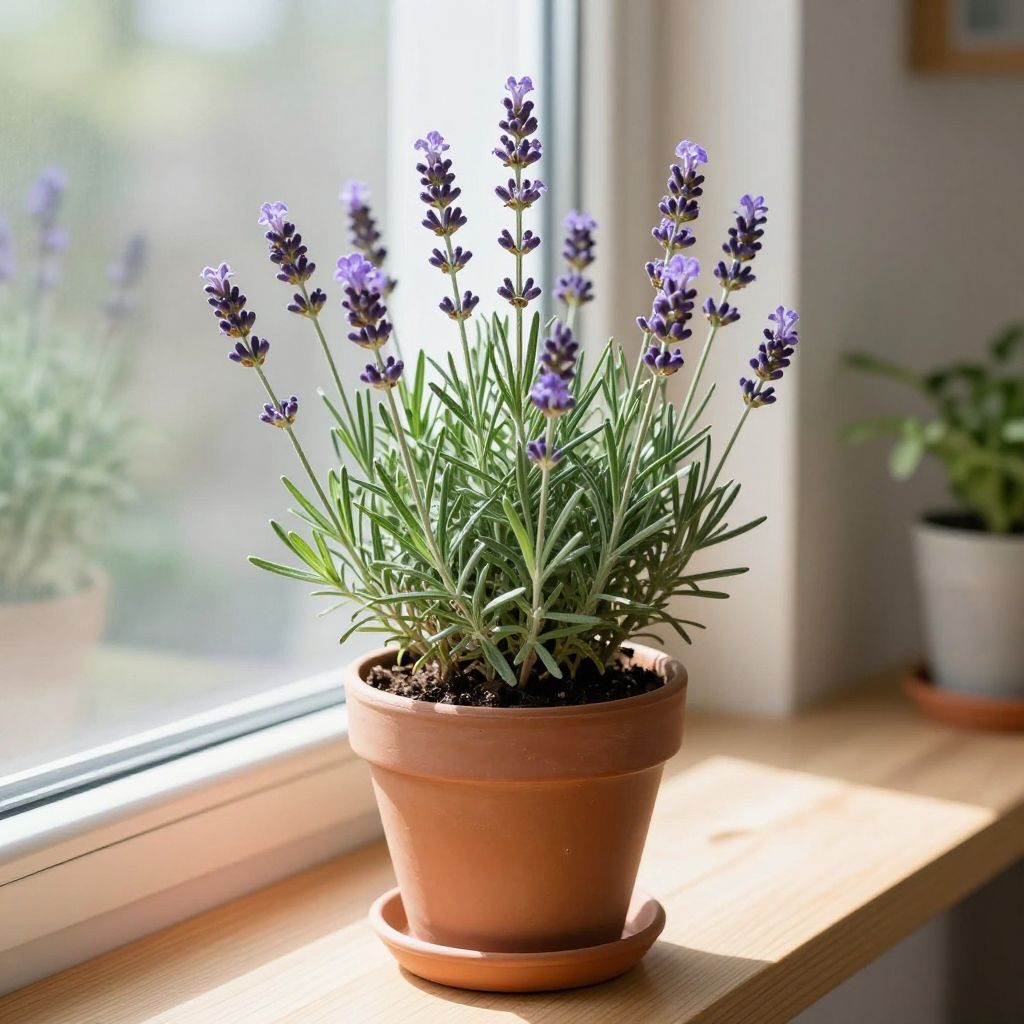
Can you grow lavender indoors? Yes, but it is usually more challenging than growing it outside. Lavender needs very bright light, sharp drainage, and dry roots, so success indoors depends on matching those conditions as closely as possible.
If you can give it a sunny window, a gritty potting mix, and careful watering, lavender can live and even bloom indoors. The key is understanding that this Mediterranean herb dislikes soggy soil, low light, and overly warm, stagnant rooms.
Can you grow lavender indoors?
Yes, you can grow lavender indoors, but it performs best when you treat it like a sun-loving, drought-tolerant plant rather than a typical houseplant. The biggest indoor challenges are insufficient light, poor drainage, and overwatering. If you can provide strong sun or a grow light, lavender can stay healthy in a pot.
What lavender needs indoors
Lavender is adapted to bright, open, dry conditions. Indoors, your goal is to mimic that environment as closely as possible.
Light
Lavender needs very bright light. A south-facing window is usually the best option, with at least 6 hours of direct sun if possible. An east or west window may work in bright homes, but many indoor plants still become leggy without supplemental light.
If natural light is weak, use a full-spectrum grow light placed close enough to support compact growth. Rotate the pot every week or two so the plant does not lean toward the light.
Temperature and airflow
Lavender prefers cool to moderate indoor temperatures and good air movement. Warm, stuffy rooms can encourage weak growth and fungal issues. Keep it away from heating vents, radiators, and humid corners.
Fresh air matters. A small fan on a low setting nearby can help prevent stagnant conditions, especially in winter when windows stay closed.
Humidity
Lavender generally prefers low to moderate humidity. Bathrooms and kitchens can be too humid unless they are also very bright and well ventilated. In most homes, average indoor humidity is fine as long as the soil dries properly between waterings.
Choosing the right pot and soil
Pot choice matters as much as light. Lavender hates sitting in wet soil, so drainage is essential from the start.
Best pot features
- Drainage holes are non-negotiable.
- Unglazed terracotta helps soil dry faster than plastic.
- A pot only slightly larger than the root ball reduces excess moisture.
If the pot is too large, the soil stays wet too long and roots can rot. Start with a container that fits the plant comfortably, then repot only when roots begin to fill the pot.
Soil mix
Use a fast-draining, low-to-moderate fertility mix. Standard all-purpose potting soil is often too moisture-retentive on its own, so it helps to amend it with coarse materials such as perlite, pumice, or horticultural grit.
A good indoor lavender mix should feel loose and airy, not dense or sticky. The goal is to let water pass through quickly while still holding enough moisture for the roots to absorb between waterings.
How to plant lavender indoors
Whether you are starting with a young plant or repotting a store-bought lavender, the planting process should minimize stress and avoid burying the crown too deeply.
- Choose a pot with drainage holes.
- Fill the bottom and sides with a gritty, well-draining mix.
- Remove the plant gently and loosen only circling roots if needed.
- Set the crown at the same soil level it was growing before.
- Backfill lightly and water once to settle the mix.
- Let excess water drain completely before returning the pot to its saucer.
Do not mound soil around the stem. Lavender is prone to rot if the crown stays damp.
Watering lavender indoors
Overwatering is the most common reason indoor lavender fails. The plant prefers to dry out somewhat between waterings, especially in cooler weather or low light.
How to tell when to water
- Check the top 1 to 2 inches of soil with your finger.
- Water only when that layer feels dry.
- Lift the pot if you want another clue; a dry pot feels noticeably lighter.
When you water, do it thoroughly so moisture reaches the root zone, then let the excess drain away. Never let the pot sit in standing water.
In winter or during periods of slower growth, lavender usually needs less water. In brighter, warmer conditions, it may dry faster. Adjust based on the plant, not a fixed schedule.
Fertilizer and feeding
Lavender does not need heavy feeding indoors. Too much fertilizer can produce soft, weak growth with fewer flowers and a less compact shape.
If your potting mix is fresh and the plant looks healthy, you may not need fertilizer at all for a while. If growth is slow and the plant is otherwise well cared for, use a light feeding approach during active growth, following the product label carefully and avoiding overapplication.
Rich compost is usually not necessary for indoor lavender. In fact, overly rich soil can work against the plant by encouraging lush growth that is more prone to flopping and disease.
Pruning and shaping indoor lavender
Regular pruning helps keep lavender compact and encourages fuller growth. Without it, indoor plants can become woody, sparse, and top-heavy.
When to prune
Light trimming can be done after flowering or when the plant starts to look leggy. Avoid cutting into old, leafless woody stems too hard, because lavender may not regrow well from very old wood.
How to prune safely
- Use clean, sharp scissors or pruning snips.
- Trim back soft growth, not deep woody stems.
- Remove spent flower stalks to tidy the plant.
- Shape gently to maintain a rounded form.
Pruning is especially helpful indoors because lower light often causes stems to stretch. A little regular shaping keeps the plant denser and more attractive.
Common problems when growing lavender indoors
Most indoor lavender problems come from conditions that are too wet, too dim, or too warm. If you notice trouble early, you can often correct it before the plant declines.
Leggy, stretched growth
This usually means the plant needs more light. Move it to a brighter window or add a grow light. Rotate the pot regularly so the stems grow more evenly.
Yellowing leaves
Yellow leaves often point to overwatering or poor drainage. Check the soil first. If it is staying wet for too long, reduce watering and make sure the pot drains freely.
Wilting despite wet soil
This can be a sign of root trouble, including rot. If the roots are brown, mushy, or smell sour, the plant may need to be repotted into fresh, dry, well-draining mix after removing damaged roots.
No flowers
Indoor lavender may grow leaves without blooming if light is too weak or the plant is overfed. More sun, cooler conditions, and restrained watering usually help more than fertilizer.
Pests and diseases indoors
Indoor lavender is less exposed to outdoor pests, but it can still attract a few common houseplant problems.
- Aphids may cluster on tender growth or flower stems.
- Spider mites can appear in dry indoor air and cause stippling or fine webbing.
- Fungus gnats often signal soil that stays too wet.
- Root rot develops when drainage is poor or watering is too frequent.
Inspect the plant regularly, especially under leaves and near the crown. If pests appear, isolate the plant and address the cause as well as the symptom. For example, fungus gnats usually improve only when the soil is allowed to dry more between waterings.
Can lavender bloom indoors?
Yes, lavender can bloom indoors, but flowering is less reliable than outdoors. Strong light is the biggest factor, followed by proper watering and moderate temperatures. Some plants bloom sparsely, while others may focus on foliage growth first.
If your lavender does flower, remove spent blooms after they fade. This keeps the plant tidy and may encourage a second flush, depending on the variety and growing conditions.
Can you start lavender indoors from seed or cuttings?
You can start lavender indoors from seed or cuttings, but cuttings are usually easier and more dependable for home gardeners.
From seed
Lavender seed can be slow and uneven to germinate. It often takes patience and steady warmth, bright light, and careful moisture control. Seedlings are delicate and need excellent airflow to avoid damping off.
From cuttings
Softwood or semi-ripe cuttings are often the best way to propagate lavender indoors. Take a healthy stem, remove the lower leaves, and place it in a light, well-draining propagation mix. Keep it lightly moist, not wet, until roots form.
Cuttings are especially useful if you want a plant with the same traits as the parent plant.
Moving lavender outdoors and back indoors
If you grow lavender indoors part of the year, gradual transitions matter. Sudden changes in light, temperature, and moisture can shock the plant.
When moving it outdoors, introduce it to stronger sun gradually over several days. When bringing it back inside, inspect for pests and trim lightly if needed before placing it in the brightest available spot.
Best practices for long-term success
Indoor lavender does best when you keep its care simple and consistent. Think bright light, lean soil, excellent drainage, and restrained watering.
- Use a pot with drainage holes.
- Place it in the sunniest window you have.
- Let the soil dry between waterings.
- Prune lightly to keep the plant compact.
- Avoid heavy fertilizer and rich, moisture-holding soil.
If your home is dim, humid, or warm year-round, lavender may struggle indoors even with good care. In that case, consider growing it outdoors in a container during the warm season and bringing it in only when necessary.
Conclusion
So, can you grow lavender indoors? Yes, if you can provide intense light, fast-draining soil, and careful watering. Start with a small pot, keep the crown dry, and prune lightly to maintain a compact shape. If you want to compare indoor herb growing ideas, you may also enjoy this guide to growing strawberries indoors.