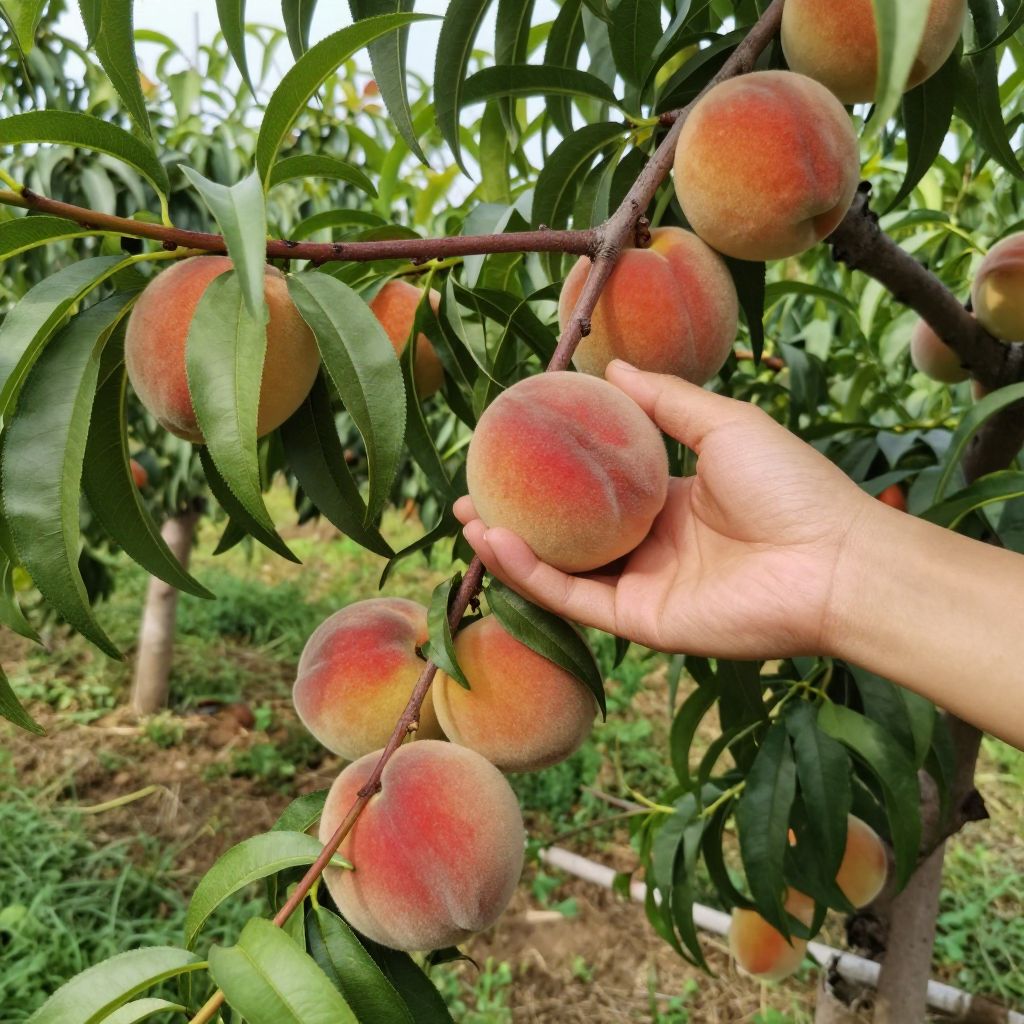
Wondering when to pick peaches so they’re juicy, sweet, and not mealy? The best harvest time depends on the variety, weather, and how much sun your tree gets. Peaches do not ripen much after picking, so the goal is to harvest at the right stage—when the fruit is fully colored, fragrant, and slightly soft near the stem.
If you pick too early, peaches can stay hard and bland. If you wait too long, they may bruise, split, or attract pests, so learning the signs of ripeness is the key to a good harvest.
When to pick peaches?
Pick peaches when the background color changes from green to creamy yellow or golden, the fruit gives slightly to gentle pressure, and it releases easily from the branch with a lift-and-twist. Most peaches are ready in mid to late summer, but exact timing varies by cultivar, climate, and how much heat the tree receives.
How to tell peaches are ripe
Color alone is not enough. Some peaches turn red before they are actually ripe, so use several signs together.
Look for these ripeness clues
- Background color: The greenish tone fades to yellow, cream, or gold, depending on the variety.
- Flesh softness: The peach should yield slightly when pressed near the stem end, not feel rock hard.
- Fragrance: Ripe peaches usually smell sweet and distinctly peachy.
- Stem release: A ripe peach often comes off the branch with a gentle lift and twist.
- Full size: The fruit should look plump and well filled out for its variety.
If the peach is still firm but has good color, it may be close. If it is hard and smells grassy or dull, leave it on the tree a few more days and check again.
What ripe peaches feel like
Think “slightly soft,” not mushy. A ripe peach should have a little give, especially around the shoulders and stem end. If it feels very soft all over, it may be overripe and prone to bruising.
Seasonal timing for peach harvest
Peach harvest season usually falls in summer, but the exact window depends on your region and the cultivar. Early varieties may ripen first, while midseason and late-season peaches can extend the harvest for several weeks.
What affects harvest timing?
- Climate: Warm, sunny weather speeds ripening; cool summers slow it down.
- Variety: Different cultivars ripen at different times, even on the same tree type.
- Tree load: Overloaded trees may produce smaller fruit that ripens unevenly.
- Sun exposure: Fruit on outer, sunnier branches often ripens first.
- Water and stress: Drought or irregular watering can affect size, flavor, and ripening consistency.
Because of these variables, avoid relying on the calendar alone. Check fruit every day or two as harvest season approaches.
How to harvest peaches correctly
Harvesting peaches gently helps prevent bruising and keeps the tree healthier. Pick in the cool part of the day if possible, especially during hot weather.
- Hold the peach in your hand and lift it upward.
- Twist gently while lifting.
- If it resists, leave it on the tree and check again in a day or two.
- Place fruit carefully in a shallow basket or tray.
- Keep ripe peaches out of direct sun after picking.
Do not pull hard on the fruit. A forceful tug can damage the spur or branch and may tear the skin, which shortens storage life.
Should you pick peaches before they are fully ripe?
You can pick peaches when they are mature but still slightly firm if birds, insects, cracking, or storms are a concern. However, they should already have good color and aroma. Very immature peaches will not develop the best flavor after picking.
Can peaches ripen after picking?
Peaches soften a little after harvest, but they do not improve much in sweetness once removed from the tree. This is one of the biggest differences between peaches and some other fruits.
If you need to finish ripening firm peaches, leave them at room temperature in a single layer, out of direct sunlight. Check them daily. Once they soften and smell fragrant, move them to the refrigerator if you are not using them right away.
What not to do
- Do not refrigerate very hard peaches and expect them to ripen well.
- Do not stack fruit deeply, which can cause bruising.
- Do not leave ripe peaches in a hot kitchen or car, where they spoil quickly.
Growing conditions that affect peach quality
If your peaches are disappointing at harvest, the problem often started earlier in the season. Good fruit quality depends on strong sun, well-drained soil, and steady care during fruit development.
Sun and heat
Peach trees need full sun for the best fruiting. At least 6 to 8 hours of direct sunlight daily is a good target in most climates. More sun usually means better color and flavor, provided the tree is not heat-stressed or drought-stressed.
Soil and drainage
Peaches grow best in fertile, well-drained soil. Heavy, waterlogged soil can weaken roots and reduce fruit quality. If your site drains slowly, consider planting on a raised bed or berm rather than in a low spot.
Watering
Consistent moisture supports fruit sizing and helps prevent stress-related drop, but soggy soil is harmful. Water deeply during dry spells, especially while fruit is sizing up, and let the soil surface dry slightly between waterings.
Mulch and compost
A layer of organic mulch helps conserve moisture and moderate soil temperature. Keep mulch a few inches away from the trunk. Compost can improve soil structure, but avoid piling rich material directly against the base of the tree.
Pruning and thinning for better harvest timing
Pruning and thinning help peaches ripen more evenly by improving light and air circulation. They also reduce branch breakage and can improve fruit size.
Why thinning matters
When too many peaches develop on one branch, they compete for sugars and water. The result is often smaller fruit that ripens unevenly.
- Thin fruit early enough that remaining peaches can size up well.
- Leave enough space between fruits so they are not crowded.
- Remove damaged, misshapen, or diseased fruit first.
Pruning during the dormant season and light summer pruning can also help sunlight reach the fruiting wood. Better light usually means better color and more reliable ripening.
Common problems when deciding when to pick peaches
Several issues can make harvest timing confusing. Knowing the signs helps you avoid picking too early or too late.
Peaches look ripe but taste bland
This usually means the fruit was picked before it finished developing flavor on the tree. Next season, wait for a stronger fragrance, better background color, and a slight softening near the stem.
Fruit is soft but still sour
Some peaches soften before they fully develop sweetness, especially after stress from heat, drought, or heavy crop load. Try to judge ripeness by color and aroma as well as texture.
Fruit drops before harvest
Premature drop can happen with uneven watering, pest damage, disease, or overcropping. Check the tree for insect damage, leaf problems, and signs of stress.
Birds or insects beat you to it
Netting can protect fruit as it nears ripeness. Sanitation also matters: pick up fallen fruit promptly so pests are less likely to build up around the tree.
Pests and diseases that can affect harvest
Healthy fruit is easier to time correctly. If pests or disease are present, peaches may ripen unevenly, crack, or rot before you can harvest them.
Watch for these issues
- Insect damage: Holes, frass, or distorted fruit can lead to early drop or rot.
- Brown rot: This fungal disease can spoil fruit on the tree, especially in humid weather.
- Cracking: Sudden rain after dry weather may split fruit as it nears maturity.
- Bird feeding: Pecked fruit often spoils quickly and should be removed.
Remove damaged fruit promptly and keep the area under the tree clean. Good airflow and careful pruning can help reduce disease pressure.
Storing peaches after harvest
Handle harvested peaches gently and store them according to ripeness. Ripe peaches are delicate and bruise easily.
Short-term storage tips
- Keep ripe peaches at room temperature only briefly.
- Refrigerate ripe fruit if you need to slow further softening.
- Store unripe but mature peaches in a single layer to finish ripening.
- Use bruised fruit first, since it spoils faster.
If you harvest a mixed batch, separate the ripest fruit from firmer ones so you can manage them more easily.
Quick harvest checklist
Before you pick, run through this simple check:
- The fruit has full size and good color.
- The background color is yellow, cream, or gold rather than green.
- The peach smells sweet and fragrant.
- It gives slightly when gently pressed.
- It comes off the branch with a light lift and twist.
If most of these signs are present, the peach is usually ready.
Conclusion
The best answer to when to pick peaches is simple: harvest when the fruit is fully colored, fragrant, and slightly soft, not when it merely looks red. Check your tree often as harvest season approaches, pick gently, and adjust timing to your local weather and variety. For better results next year, keep the tree well-pruned, well-watered, and growing in full sun.
If you want to improve your fruit tree care overall, it can also help to read more about peach tree growing and maintenance and how to prune peach trees for better fruiting.