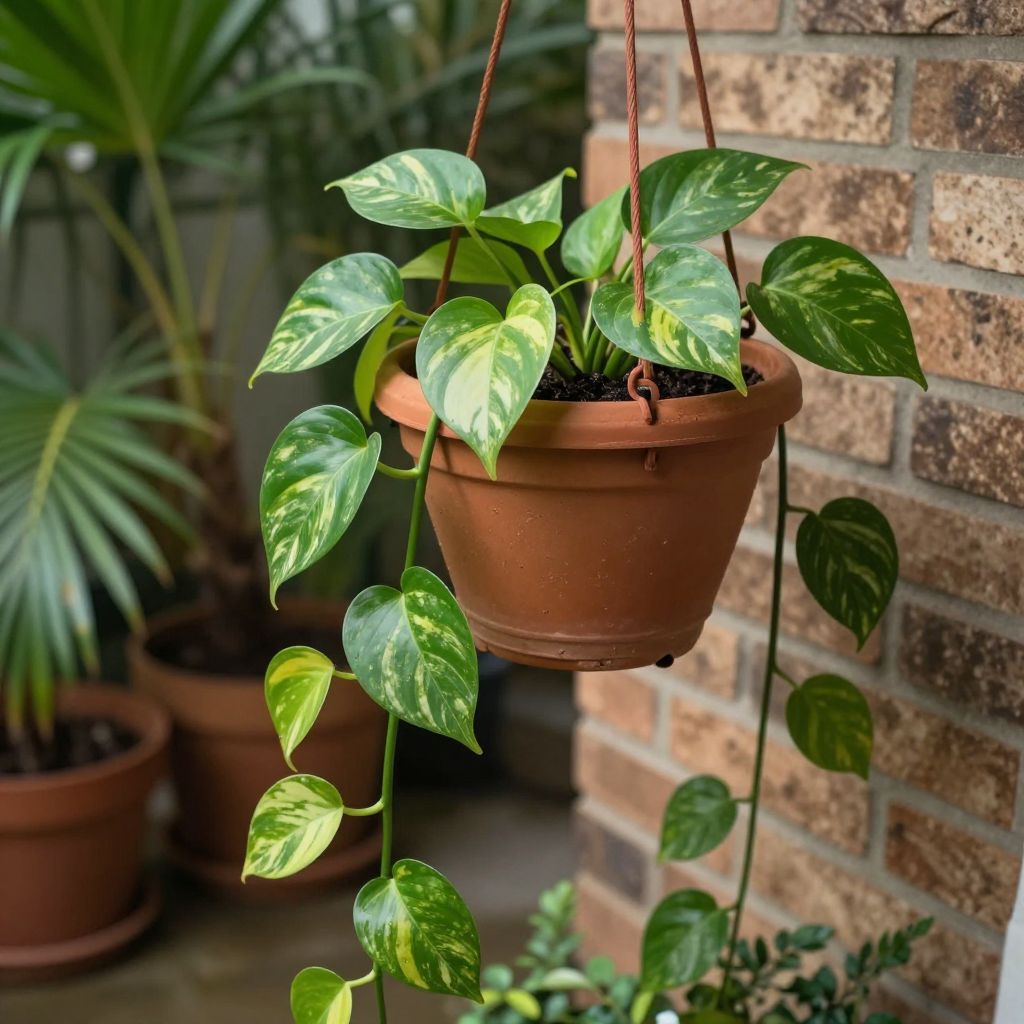
Can pothos live outside? Yes—Epipremnum aureum can grow outdoors in warm, sheltered conditions, but only where temperatures stay mild and frost is not a threat. Outdoors, it usually performs best in bright shade or filtered light with well-drained soil or in containers that can be moved if weather turns cold.
The key is matching pothos to your local climate and protecting it from sun scorch, cold snaps, and waterlogged soil. If you give it the right spot, this easygoing houseplant can become a lush outdoor trailer, climber, or hanging accent.
Can pothos live outside?
Yes, pothos can live outside year-round in frost-free climates and seasonally in cooler regions. It grows best outdoors in warm temperatures, indirect light, and moist but well-drained soil. If nights get chilly or frost is possible, grow it in a pot so you can bring it indoors before damage occurs.
When pothos can and cannot stay outdoors
Pothos is a tropical vine, so its outdoor success depends mostly on temperature. It is not a cold-hardy landscape plant in most regions, and even a light frost can damage or kill it.
Good outdoor conditions for pothos
- Warm temperatures with no frost risk
- Bright shade, dappled light, or morning sun only
- Protection from strong wind and hot afternoon sun
- Well-draining soil or a container with drainage holes
- Moderate humidity and consistent moisture
Conditions that usually cause problems
- Temperatures near freezing or below
- Direct, intense sun for much of the day
- Heavy clay soil that stays soggy
- Exposed sites with drying wind
- Long periods of drought followed by overwatering
Important: if your area gets frost, treat pothos as a container plant or a warm-season outdoor accent, not a permanent in-ground planting.
Best outdoor light for pothos
Outdoors, pothos usually does best in bright, indirect light or light shade. It can tolerate lower light, but growth slows and leaves may become smaller or less variegated. Too much direct sun, especially in hot climates, can bleach or scorch the foliage.
Ideal placement options
- Under a porch roof or patio cover
- Below open tree canopy with filtered light
- On a shaded balcony with morning sun only
- Near a wall that gets bright reflected light, but not harsh afternoon sun
If you notice pale patches, crispy edges, or curled leaves, move the plant to a gentler spot. If stems stretch and leaves become sparse, it may need a little more light.
How to plant pothos outdoors
You can plant pothos directly in the ground in warm climates, but many gardeners have better results keeping it in a container. Pots give you control over drainage, light, and temperature, and they make it easy to move the plant when weather changes.
Planting in the ground
- Choose a sheltered, shaded location.
- Work in compost if the soil is poor, but do not make it overly rich or heavy.
- Make sure the planting area drains well after rain.
- Set the plant at the same depth it was growing before.
- Water thoroughly, then let the top layer of soil begin to dry before watering again.
Planting in containers
- Use a pot with drainage holes.
- Choose a loose potting mix that drains freely.
- Set the plant slightly below the rim to make watering easier.
- Water until excess runs out the bottom, then empty the saucer.
- Place the container where it gets bright shade and good air movement.
Tip: A container is often the safest choice if you are unsure about your climate, because pothos can be moved indoors before cool weather arrives.
Soil, compost, and drainage needs
Pothos dislikes soggy roots. Outdoors, the soil should hold some moisture but drain quickly enough that water does not sit around the roots for long.
Best soil mix
- Loose, well-draining potting mix for containers
- Garden soil amended with compost and coarse material if in the ground
- Avoid dense clay without improvement
If your outdoor soil is heavy, raised beds or large pots are better than planting directly in the ground. A little compost can improve structure, but too much organic matter can hold excess water if the site already drains slowly.
Watering pothos outside
Outdoors, pothos usually needs more frequent watering than it does indoors, especially in warm or windy conditions. Still, the top few inches of soil should dry slightly between waterings so the roots do not stay constantly wet.
How to water correctly
- Check the soil with your finger before watering.
- Water deeply when the top 1 to 2 inches feel dry.
- In containers, water until it drains from the bottom.
- Reduce watering during cooler, cloudier periods.
Signs of underwatering include limp stems, dry leaf edges, and drooping growth. Signs of overwatering include yellow leaves, soft stems, and a sour smell from the soil. If you see those symptoms, check drainage first before watering again.
Temperature and seasonal care
Pothos grows best in warm weather and slows down as temperatures drop. In many regions, it can live outside only during the frost-free part of the year.
How to handle seasonal changes
- Move potted pothos outdoors only after all frost danger has passed.
- Bring it back inside before nights become consistently cool.
- Watch for sudden weather changes, especially in spring and fall.
- Protect plants from cold rain and chilly winds if temperatures dip.
If you live in a mild coastal or tropical climate, your pothos may stay outside longer or year-round. Even then, a sheltered position is still important because cold wind can stress the plant as much as low temperatures can.
Pruning and training pothos outdoors
Outdoor pothos can trail from hanging baskets, spill over containers, or climb a support. Pruning helps keep it full and prevents long, bare stems from becoming tangled or too heavy.
Simple pruning tips
- Trim long vines just above a leaf node to encourage branching.
- Remove yellow, damaged, or diseased leaves promptly.
- Pinch back leggy growth during the warm growing season.
- Use clean, sharp pruners or scissors.
If you want a climbing look, give pothos a trellis, pole, or fence with gentle support. In shaded outdoor areas, it often grows larger leaves when allowed to climb rather than trail.
Common outdoor pests and diseases
Outdoors, pothos may encounter more pests than it does inside, especially if it is near other ornamentals. Good airflow, clean foliage, and proper watering reduce many problems.
Pests to watch for
- Mealybugs
- Scale insects
- Spider mites in hot, dry conditions
- Aphids on tender new growth
What to do
- Inspect the undersides of leaves regularly.
- Rinse small infestations off with a strong stream of water.
- Prune heavily infested stems if needed.
- Isolate container plants from other houseplants when bringing them indoors.
Root rot is the most common disease-related issue and usually comes from poor drainage or overwatering. If stems turn mushy or leaves yellow rapidly, remove the plant from wet soil and inspect the roots.
Propagation outdoors
Pothos is easy to propagate from stem cuttings, and outdoor plants often root quickly during warm weather. This is a practical way to fill out a pot, replace a damaged plant, or share cuttings with other gardeners.
How to propagate
- Cut a healthy stem below a node.
- Make sure each cutting has at least one or two nodes.
- Place the cutting in water or a moist, airy potting mix.
- Keep it in warm, bright shade.
- Transplant after roots are well developed.
Warmth matters more than anything else during propagation. In cooler weather, rooting slows down, so keep cuttings sheltered and avoid direct sun.
Best uses for pothos outdoors
Pothos works well outdoors where you want a soft, tropical look without demanding care. It is especially useful in containers, hanging baskets, and shaded entryways.
- Patio containers
- Hanging baskets under cover
- Shaded balcony plantings
- Mixed tropical-style pots
- Climbing support on warm, sheltered walls
Because it is tender, pothos is best treated as a movable accent plant rather than a permanent landscape shrub in most gardens.
Common mistakes to avoid
Most pothos problems outdoors come from too much sun, too much water, or cold exposure. Avoid these mistakes and the plant is much more likely to thrive.
- Planting it where frost can reach it
- Leaving it in full afternoon sun
- Using a pot without drainage holes
- Keeping the soil constantly wet
- Ignoring pest buildup on undersides of leaves
- Forgetting to move it indoors before cold weather
Conclusion
Can pothos live outside? Yes, as long as you give it warmth, shade, and excellent drainage. In frost-free climates it can grow outdoors year-round, while in cooler regions it is usually best as a seasonal container plant. Choose a sheltered spot, monitor moisture closely, and move it before temperatures drop.
If you want to keep learning about easy foliage plants and container care, you may also enjoy reading more about indoor plant care basics and shade-loving container plants.