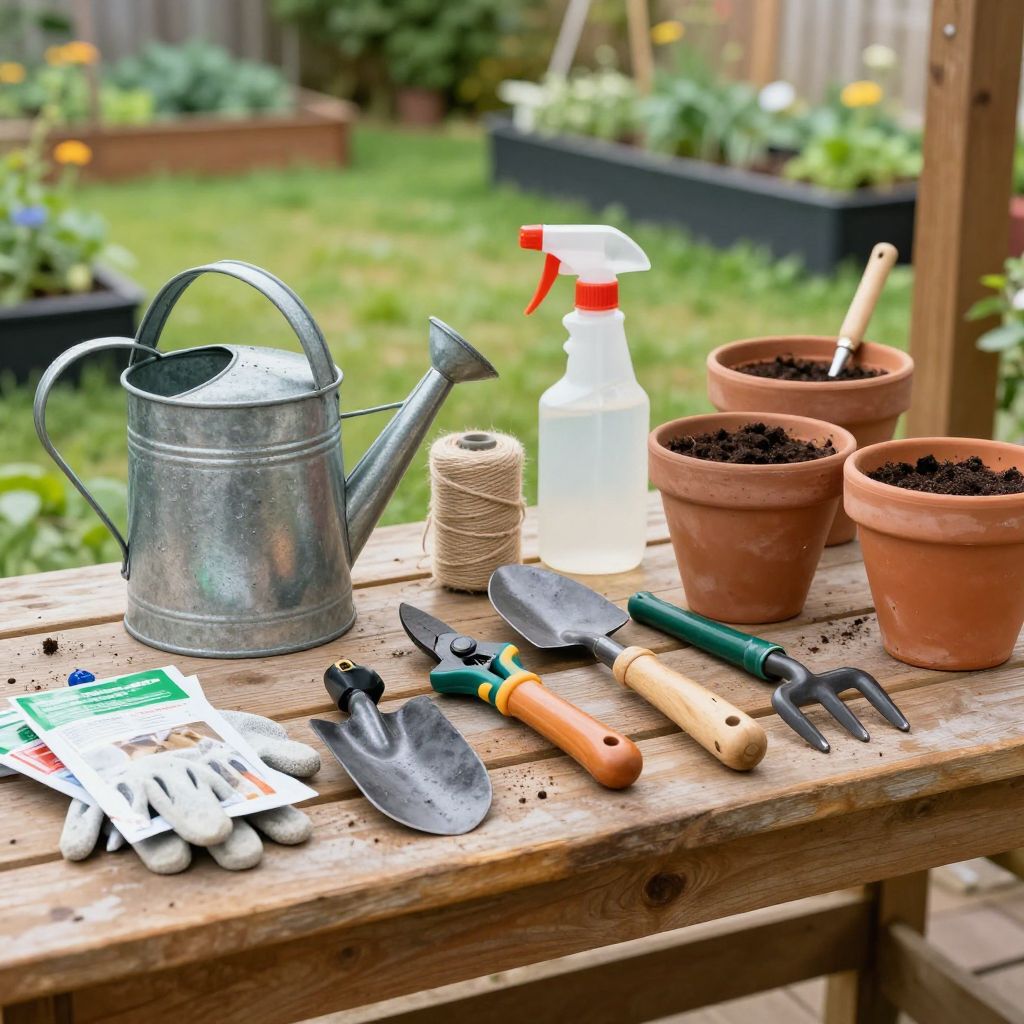
What gardening supplies should I buy for Appcgarden? The best answer depends on what you want to grow, but most beginners can start with a few reliable basics: good soil or potting mix, containers or bed materials, a watering can or hose, hand tools, and simple support or protection items. Buy for your actual space first, then add extras as your plants and experience grow.
If you choose supplies carefully, you can avoid waste, reduce plant stress, and make routine care much easier. The goal is not to buy everything at once, but to build a practical starter kit that matches your climate, sunlight, and whether you are gardening indoors, in pots, or in the ground.
What gardening supplies should I buy Appcgarden?
Start with the essentials: quality soil or potting mix, a way to water evenly, a few hand tools, and containers or bed materials that drain well. Then add compost, mulch, plant supports, and pest protection based on what you are growing. The right supplies depend on whether you garden indoors, on a patio, or in a yard.
Start with the essentials, not the extras
Many new gardeners overspend on decorative tools before they have the basics. A small, well-chosen set of supplies will do more for plant health than a shelf full of gadgets.
Core supplies for most gardeners
- Gloves for protecting your hands from thorns, rough soil, and blisters.
- Hand trowel for planting, transplanting, and mixing soil.
- Hand fork or cultivator for loosening soil and breaking up clumps.
- Pruners or snips for deadheading, trimming, and harvesting.
- Watering can or hose with a gentle nozzle for controlled watering.
- Bucket or tub for carrying soil, weeds, or harvested produce.
Choose tools that feel comfortable in your hand. Stainless steel or coated metal lasts longer, and wooden or rubber grips are often easier to use for longer sessions.
Soil and growing medium
Soil is one of the most important purchases you will make. For containers, use a quality potting mix, not garden soil, because potting mix is lighter and drains better. For raised beds or in-ground planting, improve existing soil with compost if it is poor, compacted, or low in organic matter.
- Container plants: potting mix made for containers or vegetables, depending on what you grow.
- Raised beds: a blend of topsoil, compost, and other amendments suited to your bed design.
- In-ground gardens: compost, mulch, and soil test results before buying anything else.
If you are unsure about your soil, a simple soil test can save money and frustration. It helps you understand pH and nutrient levels before you add fertilizer or lime.
Choose supplies based on your gardening setup
Your shopping list should change depending on whether you are growing indoors, in containers, or outdoors in beds. Buying for the wrong setup often leads to drainage problems, weak growth, or plants that dry out too fast.
For container gardening
Containers are great for patios, balconies, and small spaces, but they dry out faster than garden beds. Make sure every pot has drainage holes, or roots may rot.
- Containers with drainage holes
- Potting mix designed for containers
- Saucers or trays for indoor use
- Watering can with a narrow spout
- Slow-release support stakes or cages for taller plants
Pick a pot size that fits the mature plant. A tiny pot can stunt growth and force you to water constantly, while an oversized pot can stay wet too long if the plant is small.
For raised beds and in-ground gardens
Outdoor beds need a focus on soil structure, water retention, and weed control. If your native soil is heavy clay or very sandy, you may need compost and mulch more than you need fancy tools.
- Compost for improving soil structure
- Mulch to reduce weeds and moisture loss
- Garden fork or spade for bed preparation
- Hose, watering wand, or drip irrigation parts
- Row cover or netting for pest protection
For many gardeners, mulch is one of the smartest purchases. It helps moderate soil temperature, slows evaporation, and suppresses weeds.
For indoor gardening
Indoor plants need a different set of supplies because light, humidity, and drainage are more limited inside the home.
- Planters with drainage holes
- Tray or cachepot to protect floors and furniture
- Indoor potting mix
- Grow light if natural light is weak
- Humidity tray or small humidifier for moisture-loving plants
Do not rely on decorative pots alone. If a pot has no drainage, use a nursery pot inside it or drill holes if the material allows.
What to buy for watering and drainage
Watering mistakes are a common reason plants fail. Good watering supplies help you give moisture evenly without flooding roots or leaving dry pockets in the soil.
Useful watering tools
- Watering can for precise watering at the base of plants.
- Hose with adjustable nozzle for beds, shrubs, and larger containers.
- Watering wand for hanging baskets and hard-to-reach pots.
- Drip irrigation or soaker hose for consistent outdoor watering.
Drainage matters just as much as watering. If water sits on the soil surface or drains very slowly, roots may not get enough oxygen. In that case, improve the soil structure, use better-draining containers, or reduce how often you water.
Simple drainage checks
- Fill a pot with water and see whether it drains freely.
- Check whether outdoor soil stays soggy after rain.
- Look for yellowing leaves, limp growth, or root rot signs in wet soil.
- Adjust the potting mix or bed material if drainage is poor.
Soil amendments and fertilizers: what is worth buying?
Not every garden needs a shelf of fertilizers. In many cases, compost and a soil test are more useful than a general-purpose feed.
High-value soil purchases
- Compost to improve texture and add organic matter.
- Mulch such as shredded bark, straw, or leaf mulch for outdoor beds.
- Organic or conventional fertilizer only if your plants show a need or your soil test suggests it.
- Worm castings or other gentle soil conditioners if you want a mild amendment for containers.
Be cautious with fertilizers. More is not better. Too much nitrogen can produce lush leaves with fewer flowers or fruits, and excess fertilizer can burn roots.
When fertilizer is actually useful
You may need fertilizer if you are growing heavy feeders in containers, such as tomatoes, peppers, or leafy greens, because potting mix can run out of nutrients faster than garden soil. Even then, follow the product label and adjust for plant type and growth stage.
Tools for planting, pruning, and maintenance
A few maintenance tools make routine care easier and help prevent disease spread.
Best tools to have on hand
- Bypass pruners for live stems and general pruning.
- Snips or scissors for herbs, flowers, and soft growth.
- Spade or shovel for digging and moving soil.
- Hand rake for clearing leaves and leveling soil.
- Stakes, cages, or trellis materials for climbing or top-heavy plants.
Keep pruners clean and sharp. Clean blades cut more cleanly and help reduce the spread of disease between plants.
Support materials for common garden plants
Tomatoes, peas, beans, cucumbers, and many flowering plants benefit from support. Buy stakes, cages, or trellis netting before the plant gets floppy and hard to manage.
- Tomatoes: cages, stakes, or trellis systems
- Peas and beans: mesh, twine, or trellis panels
- Climbing flowers: supports matched to mature height
- Bulky ornamentals: discreet stakes or rings
Pest and disease supplies worth considering
You do not need a large pesticide collection to garden well. Start with prevention and simple monitoring.
Helpful protective supplies
- Insect netting or row cover to block pests from vegetables and seedlings.
- Sticky traps for monitoring indoor pests like fungus gnats.
- Neem oil or insecticidal soap if appropriate for the pest and plant, and used according to the label.
- Copper or other disease-control products only when a specific disease problem is identified and the product is suitable.
Before treating anything, identify the problem. Yellow leaves, holes, wilting, white powder, or sticky residue can have different causes, and the wrong treatment wastes time.
Prevention is better than rescue
- Space plants properly for airflow.
- Water at the soil level, not over the leaves when possible.
- Remove dead leaves and fallen fruit.
- Inspect new plants before bringing them home.
How to shop smart and avoid common mistakes
Buying less, but buying better, usually gives you stronger results. Focus on items that solve a real need in your garden right now.
Mistakes to avoid
- Buying decorative pots without drainage and expecting plants to thrive.
- Using garden soil in containers, which can compact and drain poorly.
- Overbuying fertilizer before checking the soil.
- Ignoring plant size at maturity when choosing pots, cages, or trellises.
- Skipping mulch in outdoor beds and then fighting weeds all season.
It is also wise to buy supplies in stages. Start with the basics, then add irrigation, supports, and pest-control items after you see how your garden behaves in your specific conditions.
A simple starter shopping list
- Gloves, hand trowel, and pruners
- Potting mix or compost, depending on your setup
- Containers with drainage or bed materials
- Watering can or hose nozzle
- Mulch for outdoor beds
- Stakes, cages, or trellis support if needed
- Basic pest barrier or monitoring supplies
Final advice for choosing the right supplies
The best gardening supplies are the ones that match your plants, your space, and your local conditions. If you are unsure where to begin, buy the essentials first, observe how your garden performs, and then add tools or amendments based on real needs rather than guesswork.
For more practical help, you may also want to read related gardening guides on choosing the right potting mix and watering container plants correctly once you are ready to build out your setup.