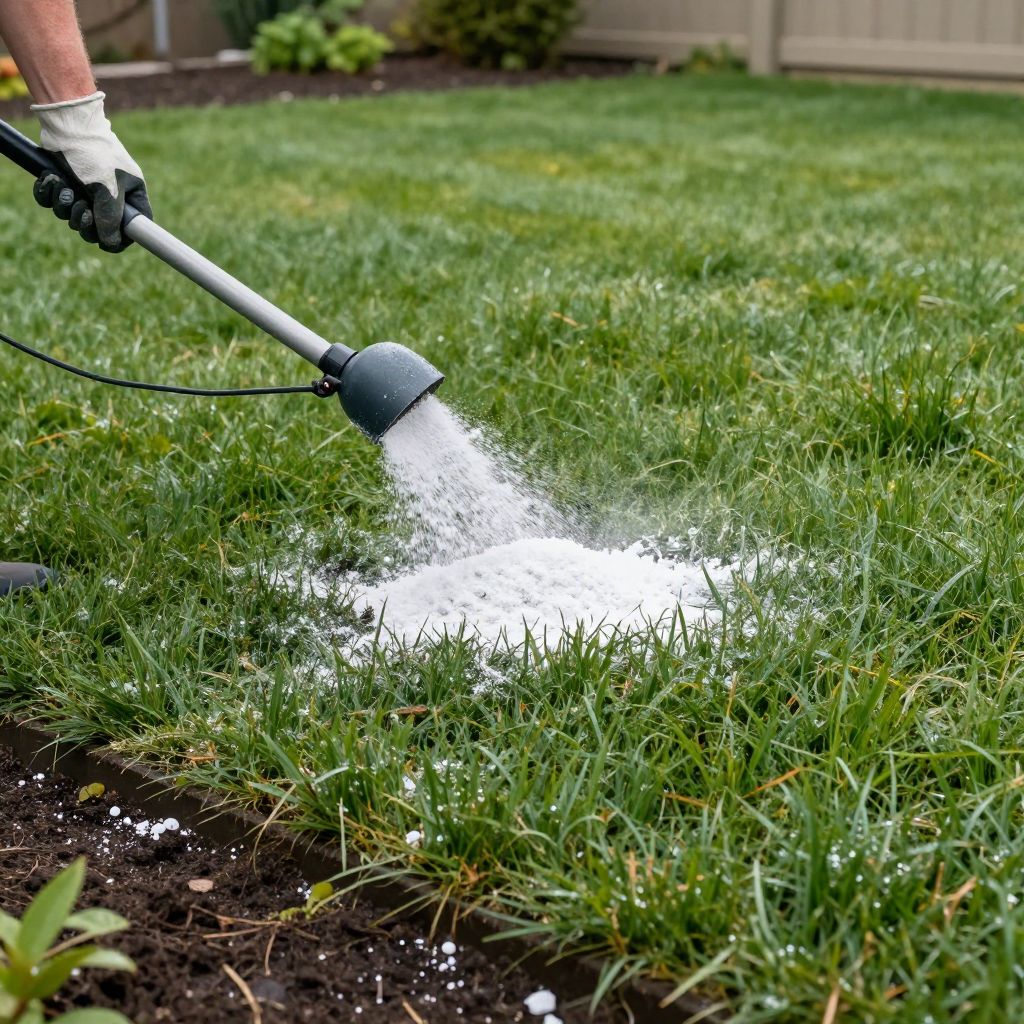
What does lime do for grass, and do you actually need it? If your lawn is thin, patchy, or struggling even though you water and mow correctly, the answer may be in the soil rather than the grass itself.
Lime is used to raise soil pH when soil is too acidic, which can help lawn grasses absorb nutrients more effectively. It is not a fertilizer, and it will not fix every lawn problem, but on the right soil it can improve turf color, root growth, and overall lawn performance.
What does lime do for grass?
Lime raises soil pH, making acidic soil less acidic so grass can access nutrients more easily. For lawns, this can improve growth, color, and root development when the soil test shows low pH. It does not feed grass directly, and it should only be applied when acidity is actually limiting turf health.
Why soil pH matters for a lawn
Grass grows best when the soil pH is in a range where nutrients are available and soil biology is active. If the soil is too acidic, important nutrients such as nitrogen, phosphorus, potassium, and magnesium can become harder for roots to take up.
That does not mean every yellow lawn needs lime. Poor drainage, compacted soil, drought stress, disease, low fertility, shade, or mowing too short can all cause similar symptoms.
Common signs of acidic soil in grass
- Thin turf that struggles to thicken even with care
- Slow growth during the active season
- Moss becoming more noticeable in shady, damp areas
- Uneven color or weak response to fertilizer
- Soil test results showing low pH
How to tell if your lawn needs lime
The most reliable way to know is a soil test. A test tells you the current pH and often recommends whether lime is needed and how much to apply. Without that information, it is easy to over-lime, which can create new nutrient problems.
If you do not have a soil test yet, start there before buying lime. Many extension services, garden centers, and local labs offer testing, and the results are far more useful than guessing from lawn symptoms alone.
What a soil test should tell you
- Current soil pH
- Buffer pH or lime requirement, if included
- Levels of key nutrients
- Any special notes for your soil type
Types of lime used on lawns
Not all lime products are the same. The right choice depends on your soil, your lawn size, and how quickly you want results.
Calcitic lime
Calcitic lime mainly supplies calcium and raises pH. It is often used when soil calcium is low or when magnesium levels are already adequate.
Dolomitic lime
Dolomitic lime supplies both calcium and magnesium while raising pH. It can be useful if your soil test shows low magnesium, but it is not a universal choice for every lawn.
Pelletized versus powdered lime
- Pelletized lime is easier to spread evenly and is less dusty.
- Powdered lime may react a bit faster because of its finer particles, but it is messier to handle.
For most home lawns, pelletized lime is the most convenient option because it spreads more evenly with standard lawn equipment.
How and when to apply lime to grass
Apply lime only when a soil test shows it is needed. The best timing is usually when the lawn is actively growing and the ground is workable, because the lime can move into the soil more gradually with moisture and time.
In many climates, fall is a practical time for liming lawns, but spring can also work if conditions are right. The best season for you depends on your local weather, rainfall, and the type of grass you grow.
Step-by-step lawn liming guide
- Test the soil before applying anything.
- Read the lime recommendation carefully.
- Choose the correct product type for your soil needs.
- Calibrate your spreader so you do not overapply.
- Apply lime evenly over the lawn.
- Water lightly afterward if the product label recommends it.
- Recheck soil pH later, since lime works gradually.
Best application practices
- Spread on a calm day to avoid drift and uneven coverage.
- Apply to dry grass for easier, more even spreading.
- Use a broadcast or drop spreader for consistent results.
- Do not pile lime in one spot, especially near edges or overlaps.
How long does lime take to work?
Lime does not change soil overnight. It usually works gradually as moisture moves it into the root zone and the soil reacts to it. Fine-textured soils may respond differently than sandy soils, and weather also affects the speed of change.
You may need several weeks to months before you notice improvement in turf color or vigor, and the full effect can take longer. That is why a follow-up soil test is useful before applying more.
What lime will and will not fix
Lime is helpful when acidity is the real issue, but it is not a cure-all. A lawn can still look poor if the problem is compaction, poor drainage, low nitrogen, grub damage, heavy shade, or drought stress.
Problems lime can help with
- Low soil pH
- Nutrient lockout in acidic soil
- Weak turf growth caused by acidity
Problems lime will not fix
- Compacted soil
- Standing water or poor drainage
- Insect damage
- Fungal disease
- Incorrect mowing height
- Insufficient sunlight
Common mistakes to avoid
Many lawn problems come from applying lime without a soil test or assuming more is better. Overliming can push soil pH too high, which can make other nutrients unavailable and create new deficiencies.
- Do not lime just because the lawn looks yellow.
- Do not apply lime and fertilizer blindly together unless your soil test or product label supports it.
- Do not guess at rates for a large lawn.
- Do not expect lime to replace regular lawn care.
- Do not apply lime to waterlogged or frozen ground.
How to care for the lawn after liming
After liming, continue normal lawn care based on your grass type and climate. Good mowing, proper watering, and balanced fertility matter just as much as pH correction.
Helpful follow-up care
- Mow at the recommended height for your grass species.
- Water deeply but not constantly, unless your climate or soil requires otherwise.
- Aerate compacted soil if the lawn needs it.
- Topdress with compost only if it suits your lawn and soil conditions.
- Retest the soil before adding more lime.
Can you put lime on grass and seed at the same time?
Sometimes, yes, but only if the soil test shows the lawn needs lime and the product label allows it. Lime can be useful before or after seeding if acidity is limiting germination or seedling growth, but it should not be used as a substitute for proper seedbed preparation.
If you are overseeding, focus first on good seed-to-soil contact, moisture, and the correct mowing height. Lime may support establishment, but it will not make poor site preparation succeed.
What to do if your lawn still looks bad after liming
If you limed correctly and the lawn still struggles, look for other causes. Check drainage, compaction, fertility, shade, irrigation habits, and pest or disease pressure. A second soil test may also show whether another nutrient issue is present.
Quick troubleshooting checklist
- Is the soil actually acidic enough to need lime?
- Is water draining properly after rain?
- Are you mowing too short?
- Is the area too shady for the grass type?
- Are insects, disease, or weeds competing with the turf?
Conclusion
So, what does lime do for grass? It corrects acidic soil so lawn grasses can use nutrients more effectively, but only when a soil test shows it is needed. If your lawn has been underperforming, test the soil first, then apply the right lime product at the recommended rate and reassess later.
If you want to improve the rest of your lawn care routine, consider reading more about how to test soil pH and how to aerate a lawn for healthier turf from the ground up.