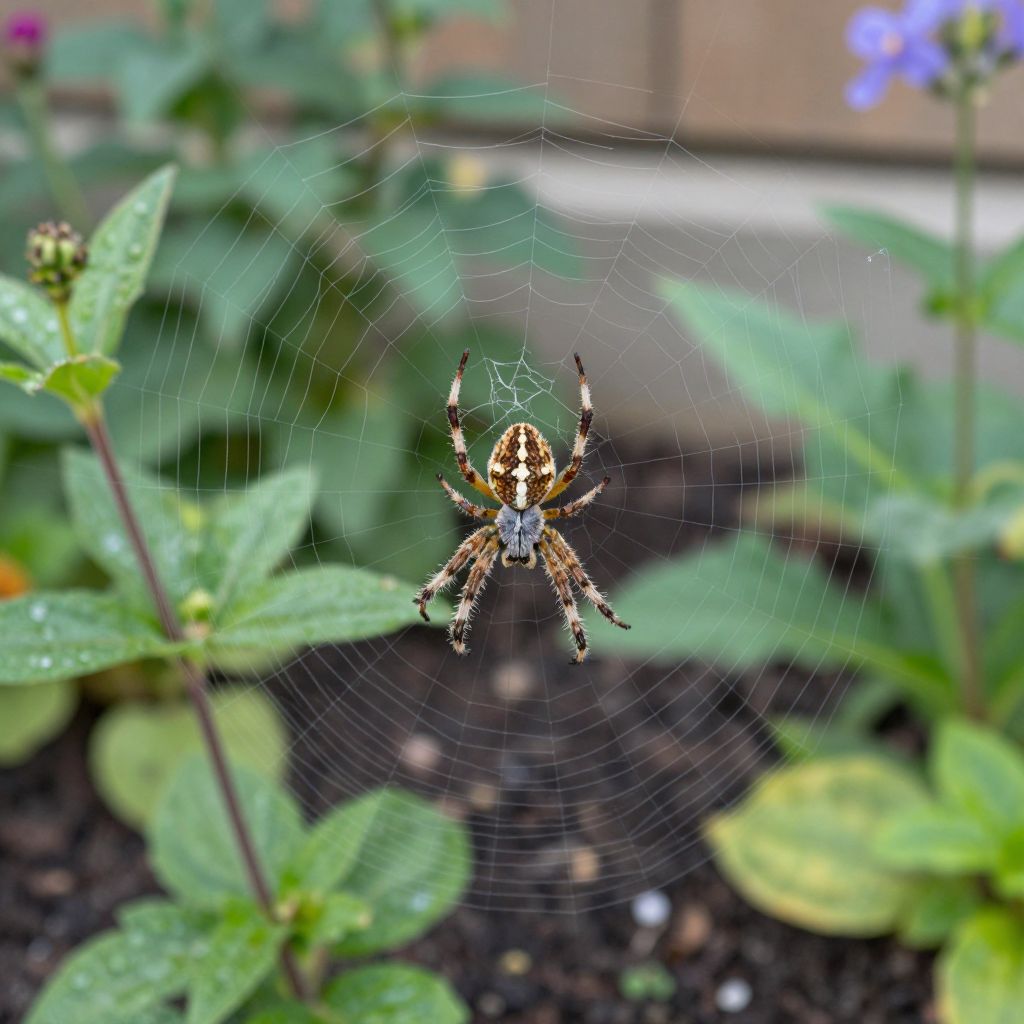
Are garden spiders poisonous? If you’ve spotted a large web in a shrub, tomato bed, or fence line, it’s natural to worry about safety. The good news is that most garden spiders are not dangerous to people and are actually helpful predators in the landscape.
Still, it helps to know how to identify them, avoid accidental bites, and manage them sensibly around patios, play areas, and vegetable beds. In the garden, the goal is usually coexistence: keep beneficial spiders where they help, and reduce contact where you need to work.
Are garden spiders poisonous?
Most garden spiders are not poisonous to people, and many are not medically significant even if they can bite. In gardening terms, they’re usually beneficial because they eat flies, moths, beetles, and other pests. The main concern is avoiding direct handling and learning which spiders in your area deserve extra caution.
What “poisonous” really means in the garden
People often say “poisonous” when they mean “venomous.” Spiders are generally venomous if they bite, not poisonous to touch or be near. For gardeners, that distinction matters because webs, egg sacs, and the spider’s presence are not usually a hazard.
In practical terms, the risk comes from:
- accidentally trapping a spider against your skin while pruning or weeding
- reaching into dense foliage, woodpiles, or stored pots without looking
- handling unknown spiders with bare hands
Why gardeners often want spiders around
Garden spiders are part of natural pest control. They can reduce insect pressure without sprays, especially in mixed borders, vegetable gardens, and areas with lots of flowering plants that attract prey.
If you’re trying to support a healthy garden ecosystem, a few webs are usually a sign of balance rather than a problem.
Which garden spiders are common?
“Garden spider” can refer to several species depending on where you live. In many gardens, the large orb-weavers are the most noticeable, especially those that build classic wheel-shaped webs between plants, fences, and supports.
Because common names vary, it’s better to focus on behavior and appearance than on guessing a species from memory. If you are unsure, treat any spider as something to observe, not handle.
Typical garden-spider traits
- They sit in or near a web, often at dawn or dusk.
- They hide in foliage, mulch, or corners during the day.
- They are usually more interested in insects than people.
- They may rebuild webs frequently after wind or rain.
How to tell if a spider in the garden is a concern
Most garden spiders are harmless to your plants and only need to be left alone. The bigger concern is identifying spiders that may be medically important in your region. If you see a spider you can’t confidently identify, don’t pick it up or brush it against bare skin.
Use these practical checks instead:
- Look, don’t touch. Observe from a short distance.
- Check the web. Orb webs in open spaces usually indicate a typical garden spider.
- Note the setting. Spiders in sheds, stacked pots, gloves, or stored irrigation supplies are more likely to surprise you.
- Watch for hiding spots. Dense mulch, stone borders, and undisturbed corners can shelter spiders during the day.
If you have a serious allergy history or live where medically significant spiders are common, be extra cautious around firewood, garden gloves, and debris piles.
How to garden safely around spiders
You do not need to eliminate every spider to keep a tidy, usable garden. A few simple habits will reduce the chance of bites while preserving the pest control spiders provide.
Protective habits for routine garden work
- Wear gloves when pruning, moving pots, or clearing brush.
- Shake out gloves, boots, and stored tools before use.
- Use a flashlight when working at dusk or early morning.
- Move slowly near webs so you don’t walk into them.
- Keep storage areas organized to reduce hidden corners.
When pruning shrubs or weeding dense beds, use hand pruners or loppers rather than grabbing stems blindly. This is especially useful in overgrown borders, compost corners, and around trellises where webs often form.
What to do if a spider is in a high-traffic area
If a web is across a path, doorway, or patio seating area, gently relocate the spider rather than killing it if possible. You can usually move a web by brushing it down with a stick or watering wand, then encouraging the spider to move elsewhere.
For vegetable beds and ornamental borders, a spider in place is often best left alone unless it is directly interfering with maintenance.
Do garden spiders damage plants?
Garden spiders do not feed on plant tissue, so they do not chew leaves, stems, or roots. They are predators, not plant pests. If you notice leaf damage, holes, or wilting, the cause is more likely insects, disease, drought stress, or physical damage.
That said, spiders can be more common where the garden has abundant insect life. A spider-rich garden often means there is enough prey to support them.
When to inspect plants more closely
Check nearby plants if you see:
- chewed leaves or skeletonized foliage
- sticky honeydew or black sooty mold
- webbing that looks fine and dusty rather than a spider’s strong orb web
- clusters of aphids, caterpillars, or whiteflies
Those signs point to plant pests, not spider feeding.
How to encourage helpful spiders without creating nuisance spots
If you want the benefits of spiders but prefer fewer webs near seating or entryways, design the garden with that in mind. You can support beneficial insects and spiders while steering them away from the most-used parts of your space.
Garden design tips
- Place flowering plants and mixed borders away from doorways and narrow walkways.
- Keep shrubs pruned to allow airflow and visibility.
- Avoid cluttered storage near patios, where spiders may hide.
- Use trellises and supports thoughtfully so webs don’t block access paths.
In vegetable gardens, place stakes and cages so you can reach plants without brushing through dense webbing. This is especially helpful in late summer, when spider activity often becomes more noticeable.
Common mistakes gardeners make with spiders
Most spider problems in the garden come from misunderstanding or overreacting. A few simple mistakes can increase your chance of contact or make the garden less balanced.
Mistakes to avoid
- Killing every spider on sight. This can reduce natural pest control.
- Reaching into dark spaces bare-handed. Gloves are a better default.
- Leaving clutter in sheds and corners. These are easy hiding spots.
- Using broad-spectrum sprays unnecessarily. They can harm beneficial insects and the spiders that feed on them.
- Assuming every bite is from a spider. Many skin reactions come from other insects, plants, or irritants.
If you do use any pest control product in the garden, read the label carefully and avoid spraying directly onto webs unless you have a specific, identified pest problem that truly requires treatment.
What to do if you’re bitten
Most garden spider bites are minor, but any bite should be taken seriously if symptoms worsen. Wash the area with soap and water, keep it clean, and monitor it closely. If you have a severe reaction, spreading redness, significant pain, or symptoms that concern you, seek medical advice promptly.
For gardening purposes, the best prevention is simple: wear gloves, avoid handling spiders, and check hidden spaces before you reach in.
Seasonal spider activity in the garden
Spider activity often seems higher in warm months when insects are plentiful and webs are easier to spot. After rain, wind, or heavy pruning, spiders may rebuild in new places, which can make them seem more noticeable from week to week.
In cooler seasons, some spiders become less visible and may shelter in protected spots such as sheds, under pots, or in leaf litter. That is another reason to wear gloves when cleaning up the garden in fall or early spring.
Best times to inspect and clean up
- Morning, before you begin pruning or harvesting
- After storms, when webs may be rebuilt in new locations
- During seasonal cleanup, especially around stored tools and containers
Practical garden maintenance that reduces unwanted spider encounters
Good garden maintenance can make spider encounters less surprising without removing the benefits they provide. The aim is not a sterile garden, but an organized one.
- Keep paths clear so you can walk without brushing into webs.
- Trim back overgrowth around doors, gates, and seating areas.
- Store gloves, twine, and hand tools in closed bins or hooks.
- Remove excess debris where you don’t want hidden wildlife.
- Inspect stakes, trellises, and plant supports before reaching in.
These small habits are especially useful in productive gardens with tomatoes, beans, cucumbers, and other tall crops that create sheltered spaces between stems.
Bottom line: should you worry about garden spiders?
In most gardens, the answer is no. Garden spiders are usually helpful, not harmful, and the best approach is to avoid handling them, keep high-traffic areas tidy, and let them work where they won’t bother you. If you want fewer surprises, start by wearing gloves and checking hidden spots before you reach in.
For more practical garden pest guidance, you may also want to read about controlling common garden pests and beneficial insects in the garden.