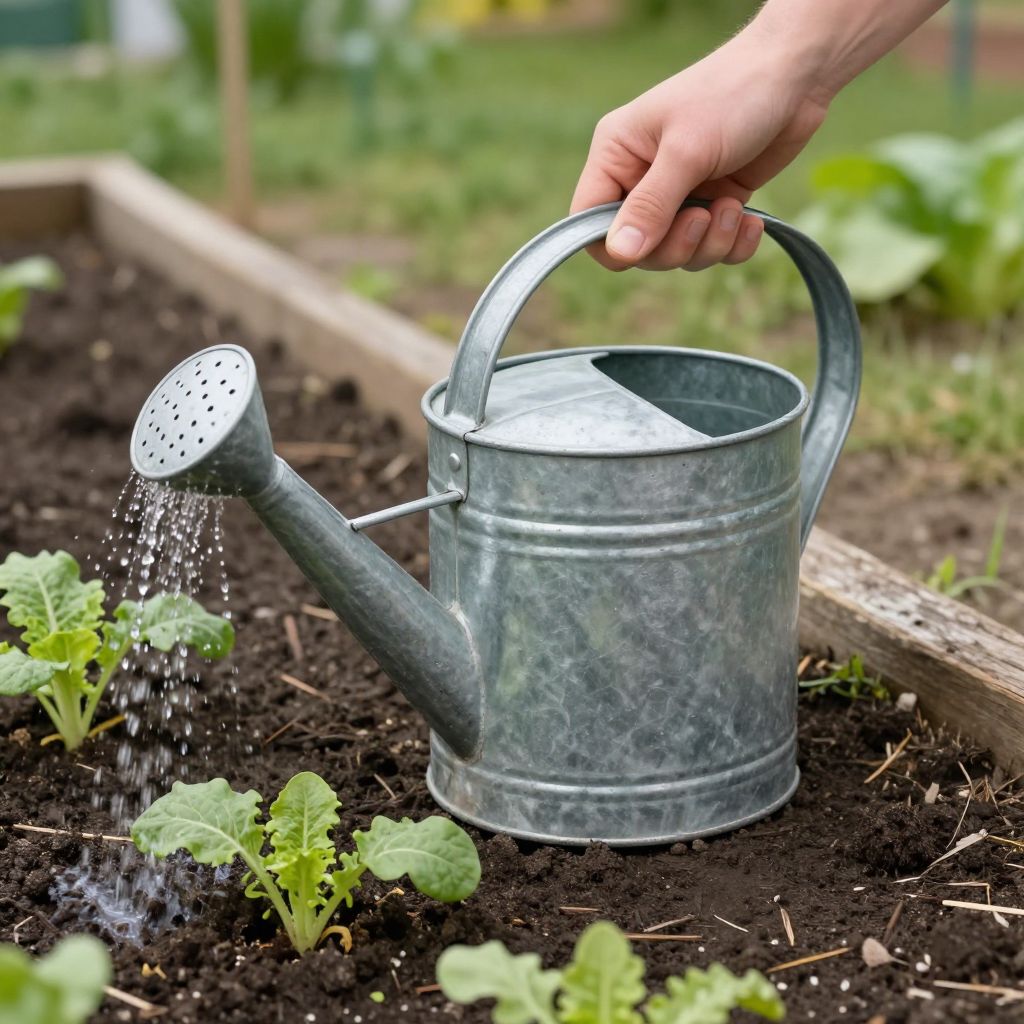
Trying to figure out whether a 2 gallon watering can is the right tool for your garden? It often is—especially for container plants, small beds, seedlings, and indoor collections where control matters more than speed.
The key is using it well. A 2 gallon can gives you enough water to be efficient, but it is still manageable for precise watering, which helps avoid runoff, root stress, and wasted water.
What is a 2 gallon watering can best for?
A 2 gallon watering can is ideal for targeted watering of pots, raised beds, hanging baskets, seedlings, and newly planted flowers or vegetables. It provides a practical balance between capacity and control, making it useful when you need to water thoroughly without dragging a hose everywhere or overwatering delicate roots.
Why choose a 2 gallon watering can?
For many home gardeners, this size is the sweet spot. It holds enough water to cover several containers or a small planting area, but it is still light enough to carry comfortably when full for short distances.
Benefits of this size
- Less refilling than a small indoor can.
- More control than a hose or sprinkler.
- Useful for both indoor and outdoor plant care.
- Easy to direct water at the soil line, where roots can use it best.
- Helpful for gardeners who want to monitor plant-by-plant moisture.
When a smaller or larger can may be better
A smaller can may be easier if you water only a few houseplants or if lifting weight is a concern. A larger can can save trips on bigger patios or in larger beds, but it becomes awkward when full and can be harder to pour accurately.
How to use a 2 gallon watering can correctly
The best way to use a 2 gallon watering can is to water slowly at the base of the plant until moisture reaches the root zone. Avoid splashing leaves unnecessarily, and stop when the soil is evenly moist rather than soggy.
Step-by-step watering method
- Check the soil first by feeling the top 1 to 2 inches with your finger.
- Fill the can with clean water and attach the rose if you want a gentler spray.
- Water each plant slowly, aiming at the soil line.
- Pause if water begins to pool, then resume after it soaks in.
- For containers, water until a little drains from the bottom, then stop.
How much water does 2 gallons cover?
That depends on plant size, pot size, soil type, heat, wind, and sun exposure. A 2 gallon watering can may fully water several medium containers, one small raised bed section, or a few thirsty shrubs, but you should always let the plants and soil tell you when enough is enough.
Best uses by gardening task
Container plants
Pots dry out faster than garden soil, especially in warm weather or windy spots. A 2 gallon watering can is excellent for patio containers, herbs, annual flowers, and vegetables in pots because you can water each container carefully without flooding the surface.
For containers, make sure the pot has drainage holes. If water runs straight through immediately, the potting mix may have become too dry or compacted and may need a slower, repeated watering to rehydrate evenly.
Seedlings and young plants
Young plants need gentle watering so their roots are not disturbed. Using the rose attachment helps break the stream into smaller droplets, which reduces soil displacement and keeps tender stems from bending over.
Raised beds and small borders
Raised beds often dry faster than in-ground beds because they drain well and warm quickly. A 2 gallon watering can works well for spot watering transplants, new sowings, and dry corners that need extra attention.
Houseplants and indoor growing
Indoors, a watering can helps you avoid overwatering by forcing you to handle each plant individually. This is especially useful for succulents, tropical foliage plants, and mixed houseplant collections where different species have different moisture needs.
What to look for in a good 2 gallon watering can
Not all watering cans are equally easy to use. The right design makes watering smoother, reduces spills, and helps you protect the plants you are trying to care for.
Important features
- Comfortable handle for carrying and pouring.
- A balanced shape that does not tip easily when full.
- A removable rose for switching between gentle and direct watering.
- A wide enough opening to fill without splashing.
- Durable material that suits your climate and storage space.
Material considerations
Plastic cans are usually lighter and easier to carry, which is helpful for frequent use. Metal cans can be sturdy and attractive, but they may be heavier and can rust if left outdoors. Choose the one you will actually enjoy using regularly.
How to avoid common watering mistakes
Even a useful tool can cause problems if it is used the wrong way. The most common issue is watering on a fixed schedule instead of checking soil moisture first.
Mistakes to avoid
- Watering every plant the same amount.
- Spraying leaves heavily when the roots need the water.
- Letting water pool around the stem.
- Using a strong stream on seedlings or freshly planted soil.
- Ignoring drainage in pots and planters.
Signs you may be overwatering
Yellowing leaves, limp growth, fungus gnats indoors, and persistently wet soil can all point to too much moisture. If this happens, let the soil dry slightly before watering again and make sure the container or bed drains properly.
Signs you may be underwatering
Wilting, dry potting mix pulling away from the sides of the container, and crispy leaf edges often mean the plant needs more consistent moisture. Water slowly and deeply so the root ball can absorb moisture instead of letting it run off the surface.
Seasonal and weather considerations
How often you use a 2 gallon watering can depends heavily on the season, sun exposure, and local weather. Hot, windy, and dry conditions increase water loss, while cool or rainy periods reduce the need for watering.
Warm weather
In summer, containers and newly planted beds may need attention more often because they dry quickly. Water early in the day when possible so plants can take up moisture before the heat of afternoon.
Cool weather
During cooler months, soil stays moist longer. That means you may use your watering can less often, especially for outdoor beds. Always check the soil before watering to avoid waterlogging roots.
Indoor conditions
Houseplants often need less water in winter because light levels are lower and growth slows. In heated homes, however, dry air can increase water loss from leaves and potting mix, so monitor moisture carefully rather than following a rigid routine.
Using a 2 gallon watering can with different soil types
Soil texture changes how water moves. Sandy soil drains quickly and may need more frequent watering, while clay-heavy soil holds moisture longer but can become compacted and slow to absorb water.
Practical adjustments
- Sandy soil: Water more slowly and more often, allowing moisture to soak in.
- Clay soil: Water in smaller passes to prevent runoff.
- Potting mix: Rehydrate gradually if it has dried out completely.
- Mulched beds: Check beneath the mulch layer before watering again.
If the water beads up or runs away, pause and return after a few minutes. A slow second pass often works better than forcing all the water in at once.
Cleaning and maintaining your watering can
Regular maintenance keeps your watering can working properly and helps prevent clogged roses, algae buildup, and odors from stagnant water.
Simple care routine
- Empty leftover water after use, especially if the can sits in the sun.
- Rinse the inside occasionally to remove sediment.
- Check the rose holes for debris and clear them with water or a soft brush.
- Store the can upside down or in a dry place when not in use.
If you use collected rainwater, strain out debris first so it does not clog the rose. Clean water flow makes watering more even and easier to control.
When a watering can is better than a hose
A 2 gallon watering can is often the better choice when precision matters more than speed. It helps you focus on individual plants, avoid wasting water on paths or weeds, and spot problems such as dry pockets, pests, or poor drainage while you water.
Good situations for a watering can
- New transplants and seedlings.
- Mixed containers with different plant needs.
- Indoor plant collections.
- Small gardens where careful watering is easier than setting up a hose.
For larger beds or lawns, a hose or irrigation system may be more efficient, but the watering can still plays an important role for detailed plant care.
Conclusion: make the 2 gallon watering can work for your garden
A 2 gallon watering can is one of the most practical tools for home gardeners because it gives you control, flexibility, and enough capacity for real work. Use it to water slowly at the soil line, adjust for your climate and soil, and check moisture before every session.
If you want to improve your watering routine, start by observing how quickly your pots and beds dry out over a few days. That simple habit will help you use your watering can more effectively and keep your plants healthier.
If you’d like to build a better watering routine, you may also enjoy reading about choosing the right watering can for your plants and how to recognize overwatered plants.