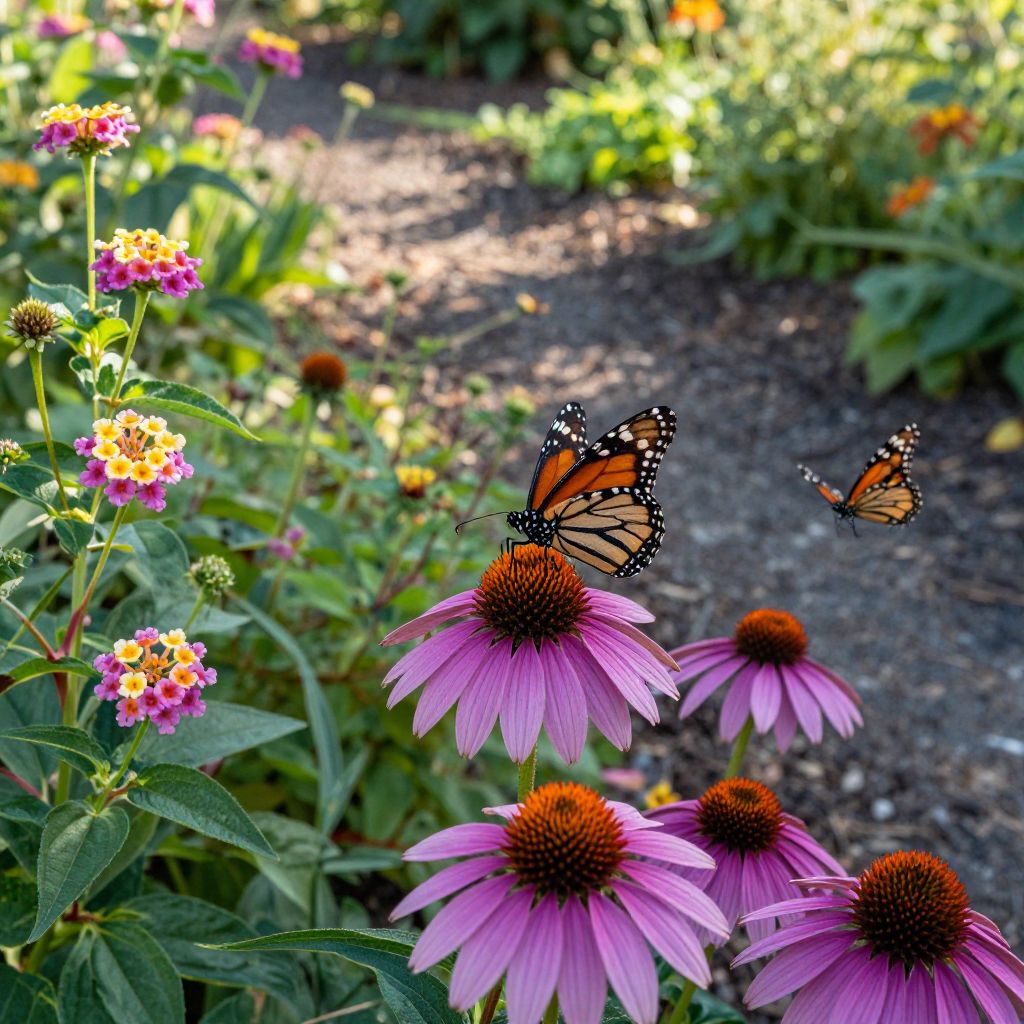
What flowers do butterflies like? The best choices are nectar-rich blooms with easy landing spots, such as coneflowers, milkweed, lantana, zinnias, verbena, and asters. Butterflies are most attracted to sunny, open flowers in clusters, especially native plants that bloom over a long season and provide nectar from spring through fall.
To make your garden more butterfly-friendly, combine the right flowers with full sun, well-drained soil, and a pesticide-free approach. A good butterfly planting also includes host plants for caterpillars, because adult butterflies need nectar while their young need leaves to eat.
What flowers do butterflies like?
Butterflies prefer bright, flat, or clustered flowers that are easy to land on and rich in nectar. Top choices include milkweed (Asclepias), coneflower (Echinacea), black-eyed Susan (Rudbeckia), lantana (Lantana camara), zinnia (Zinnia elegans), verbena (Verbena spp.), butterfly bush (Buddleja davidii), and asters (Symphyotrichum spp.).
In general, butterflies like flowers that are sunny, fragrant, and planted in groups. They are drawn to continuous bloom, so the best garden has a mix of early, midseason, and late-flowering plants rather than just one showy burst.
Why butterflies choose some flowers over others
Butterflies do not visit flowers at random. They look for nectar, warmth, and a place to perch while feeding, so flower shape matters as much as color.
Traits butterflies prefer
- Open flower shapes that let their proboscis reach nectar easily.
- Clusters of small flowers that provide a bigger feeding target.
- Bright colors such as purple, pink, red, orange, and yellow.
- Full sun, which helps butterflies warm up and stay active.
- Long bloom periods so nectar is available for weeks or months.
Double flowers can look beautiful, but many have less accessible nectar. If you want butterflies, choose single or semi-double blooms more often than heavily layered varieties.
Best butterfly flowers for the garden
There is no single perfect flower for butterflies, but a layered planting of nectar plants gives the best results. The strongest butterfly gardens combine native perennials, annuals, and shrubs that bloom at different times.
Reliable nectar plants
- Milkweed (Asclepias spp.) – especially valuable because it also supports monarch caterpillars.
- Coneflower (Echinacea spp.) – sturdy, long-blooming, and easy for butterflies to land on.
- Black-eyed Susan (Rudbeckia spp.) – bright, nectar-rich, and useful in mixed borders.
- Zinnia – an excellent annual for warm-season color and frequent butterfly visits.
- Lantana – a top performer in hot climates with clusters of tiny flowers.
- Verbena – especially useful in beds, containers, and hanging baskets.
- Asters – important late-season nectar sources.
- Joe-Pye weed (Eutrochium spp.) – tall, showy, and highly attractive to many butterflies.
- Phlox (Phlox paniculata and related species) – fragrant and useful for midseason bloom.
Native plants are often the best choice
Native flowers usually fit local butterfly species better than imported ornamentals. They are adapted to your climate, support local caterpillars, and often need less water and maintenance once established.
If you are unsure what to plant, start with native coneflowers, asters, milkweeds, and goldenrods suited to your region. Check local extension resources or native plant nurseries for species that match your soil and rainfall.
How to plant a butterfly garden that actually works
A butterfly garden should be planted like a feeding station, not just a decorative bed. Grouping the right plants together makes them easier for butterflies to find and more rewarding to visit.
- Choose a sunny site. Most butterfly flowers need at least 6 hours of direct sun daily.
- Improve the soil if needed. Mix in compost to help poor soil hold moisture, but avoid overly rich, soggy ground for plants that prefer drainage.
- Plant in clusters. Use groups of 3, 5, or more of the same plant so butterflies can spot them from a distance.
- Stagger bloom times. Include spring, summer, and fall flowers so nectar is available throughout the season.
- Leave space for airflow. Good spacing helps reduce fungal disease and makes flowers easier for butterflies to reach.
Soil and drainage
Most butterfly flowers do best in well-drained soil. Heavy clay can be improved with compost and careful bed preparation, but avoid making the soil too wet or compacted.
If your garden stays soggy after rain, raise the bed slightly or choose plants that tolerate heavier soil. Many butterfly favorites, including milkweed and coneflower, prefer drainage over constant moisture.
Container planting
You can grow butterfly-friendly flowers in pots on patios, balconies, or small spaces. Use containers with drainage holes and a quality potting mix, then choose compact varieties of lantana, verbena, zinnia, or salvia.
Container plants dry out faster than in-ground beds, so check moisture often during warm weather. Water when the top inch of mix feels dry, but do not let pots sit in standing water.
Care tips for healthy butterfly flowers
Healthy plants produce more nectar and attract more pollinators. Good care is usually simple, but it should match the plant’s needs rather than follow a rigid schedule.
Watering
- Water deeply after planting to help roots settle in.
- Once established, many butterfly perennials need less frequent watering.
- Water in the morning when possible so leaves dry faster.
- Avoid frequent shallow watering, which encourages weak roots.
During hot, dry spells, flowering plants may need extra water to keep blooming. Wilting in the afternoon does not always mean a plant needs water immediately, so check the soil before watering again.
Feeding and mulch
Compost is usually enough for most butterfly plants. Too much nitrogen can produce lush leaves but fewer flowers, which means less nectar for butterflies.
A 2- to 3-inch layer of mulch helps conserve moisture and suppress weeds, but keep mulch a few inches away from stems to reduce rot and pest problems.
Pruning and deadheading
Deadheading spent flowers can extend bloom on many annuals and perennials, including zinnias, verbena, and coneflowers. However, leave some seed heads in place if you want to support birds later in the season or if the plant provides winter interest.
Cut back overgrown plants to keep air moving through the bed. This helps reduce mildew and keeps flowers accessible to butterflies.
Host plants matter too
If you want butterflies to stay in your garden, you need more than nectar plants. Caterpillars depend on host plants, and without them, butterflies may visit briefly but not reproduce nearby.
Common host plants
- Milkweed for monarch butterflies.
- Parsley, dill, fennel, and related herbs for swallowtail caterpillars.
- Violets for fritillary species.
- Native grasses for some skippers and other butterflies.
- Willow, spicebush, and cherry for certain regional species.
Try to include both nectar flowers and host plants if space allows. That creates a complete habitat rather than a temporary feeding stop.
Common mistakes that reduce butterfly visits
Even a colorful garden can fail to attract butterflies if the basic conditions are wrong. These are the most common problems to avoid.
- Using pesticides that can harm butterflies, caterpillars, and other beneficial insects.
- Planting only one short-blooming species instead of a mix that flowers over time.
- Choosing heavily bred double flowers with limited nectar access.
- Overfertilizing, which often leads to leafy growth and fewer blooms.
- Planting in too much shade, where flowers bloom poorly and butterflies are less active.
- Removing all caterpillars because they look like pests, when some are the future butterflies you want.
How to troubleshoot a butterfly garden that is not attracting butterflies
If butterflies are not showing up, the issue is often location, bloom timing, or plant choice rather than the garden being “wrong.” Make small adjustments and watch what changes.
Check these points first
- Sunlight: Is the bed getting enough direct sun?
- Bloom availability: Are there flowers open right now, or only foliage?
- Plant grouping: Are flowers scattered, or planted in noticeable clusters?
- Weather: Cool, windy, or rainy conditions reduce butterfly activity.
- Nearby habitat: Butterflies may need nearby shelter, water, or host plants.
If your garden has only a few blooms at a time, add more plants with overlapping bloom periods. If the bed is healthy but still quiet, try adding native species or a few taller nectar plants that are easier to spot from a distance.
Seasonal planning for more butterflies
A successful butterfly garden changes through the year. The goal is to offer nectar from the first warm days through the end of the season.
Spring
Use early bloomers where your climate allows, and make sure host plants are already growing when butterflies begin to emerge. In many areas, spring nectar can be limited, so even a few blooming plants matter.
Summer
This is often the peak butterfly season. Zinnias, lantana, coneflowers, phlox, and verbena can keep the bed active through heat if they are watered and deadheaded appropriately.
Fall
Late-season flowers such as asters and goldenrod are especially valuable because they feed migrating butterflies and late-emerging adults. Do not cut everything back too early if the plants are still flowering or seeding.
Simple butterfly-friendly plant combinations
If you want a practical starting point, build your garden around combinations that bloom in sequence and offer different flower shapes.
- Sunny border: coneflower, black-eyed Susan, asters, and ornamental grasses.
- Hot, dry bed: lantana, verbena, milkweed, and coreopsis.
- Pollinator patch: zinnias, salvias, phlox, and butterfly weed.
- Native meadow style: milkweed, Joe-Pye weed, goldenrod, and native asters.
Mix heights and bloom times so butterflies can feed at different levels and throughout the season. A layered planting also looks fuller and is easier to maintain once established.
Final thoughts
If you want to know what flowers butterflies like, start with nectar-rich, sun-loving plants such as milkweed, coneflower, zinnia, lantana, verbena, and asters. Plant them in groups, avoid pesticides, and include host plants so butterflies can complete their life cycle in your garden.
For more practical pollinator gardening ideas, you may also want to read about how to grow milkweed for monarchs and the best native flowers for pollinators.