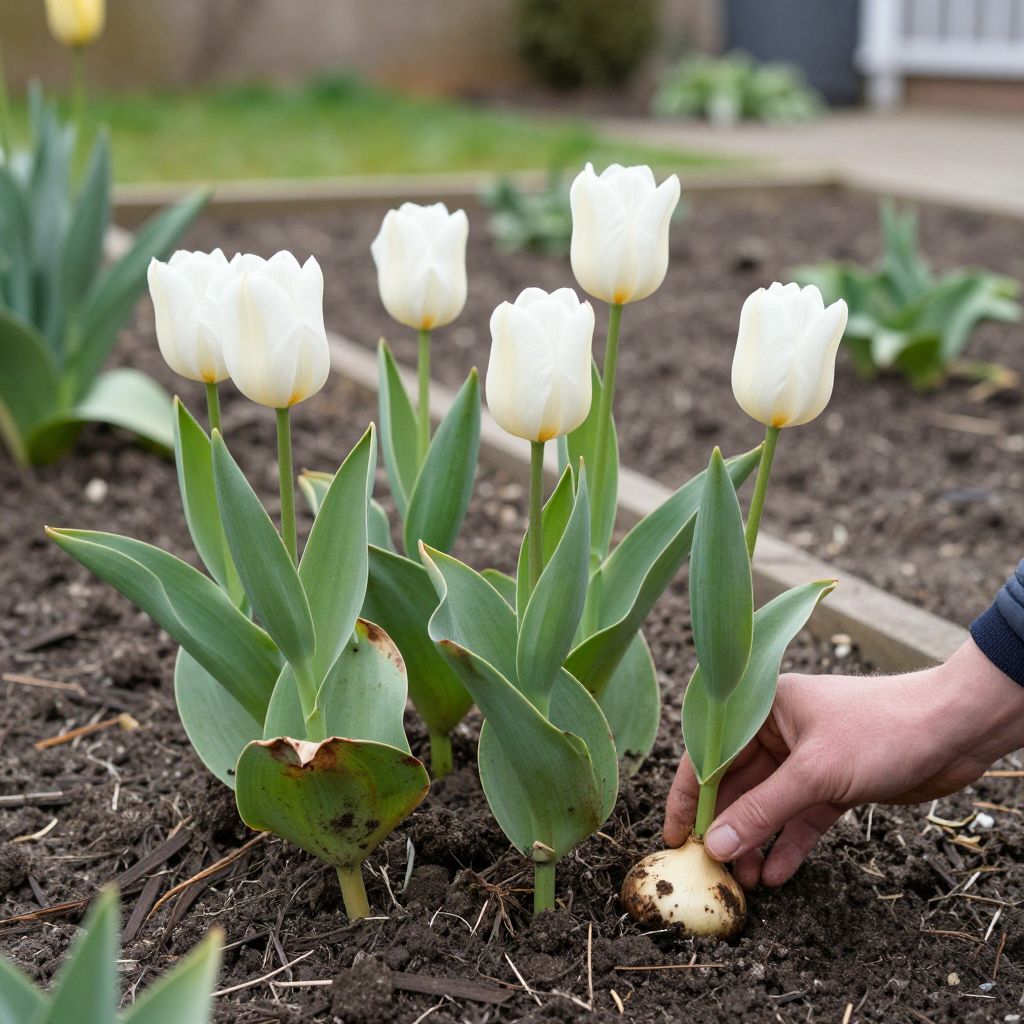
Are tulips annuals or perennials? The short answer is that tulips are botanically perennial bulbs, but in many home gardens they behave more like annuals. Whether they return well depends on the type of tulip, your climate, soil drainage, summer heat, and how well the bulbs are cared for after flowering.
If you want tulips to come back reliably, the key is not just planting them, but giving the bulbs the right conditions to rebuild energy for next year. With a few practical steps, you can improve repeat blooming and decide when it makes more sense to replant fresh bulbs.
Are tulips annuals or perennials?
Tulips are perennial bulbs, meaning the same bulb can bloom again in later years. In practice, many garden tulips decline after one season or bloom less strongly the second year, especially in warm climates, heavy soil, or beds that stay too wet. Species tulips and some Darwin hybrids tend to perennialize better than many large florist-style tulips.
Why tulips often act like annuals in the garden
Tulips need to store enough energy in the bulb after flowering to form next year’s bloom. If the bulb is stressed, it may still produce leaves but skip flowering or make a smaller flower.
Common reasons tulips fade after one year
- Poor drainage that causes bulbs to rot or weaken.
- Hot summers that dry bulbs out too much or exhaust them.
- Cutting off foliage too early before it finishes feeding the bulb.
- Too much shade, which reduces energy production.
- Bulbs that were already old, undersized, or damaged at planting time.
- Dense planting or competition from aggressive roots nearby.
Types of tulips that return better
Not all tulips behave the same way. If repeat bloom matters to you, look for tulips known for better perennial performance in your area.
- Species tulips often naturalize well in suitable sites.
- Darwin hybrid tulips are often stronger repeat bloomers than many showy bedding types.
- Some botanical tulips perform well in rock gardens and well-drained borders.
How to help tulips come back year after year
If you want tulips to act more like perennials, focus on bulb health from planting through dormancy. Good drainage, full sun, and leaving the foliage intact after bloom make the biggest difference.
Plant bulbs in the right spot
Choose a location with full sun or very light afternoon shade and soil that drains quickly. Tulips dislike sitting in wet ground, especially through winter and early spring.
- Raised beds are often better than low, soggy spots.
- Avoid areas where irrigation or roof runoff collects.
- If your soil is heavy clay, improve drainage before planting rather than relying on extra mulch alone.
Prepare the soil properly
Tulips prefer loose, well-drained soil with some organic matter mixed in. Compost can help improve structure, but too much rich, moisture-holding material can be a problem in wet ground.
- Work the soil to a depth of about 8 to 12 inches where possible.
- Mix in compost if the soil is poor, but avoid making it overly dense or soggy.
- If drainage is slow, plant in raised beds or mounds.
Plant at the correct depth
As a general rule, plant tulip bulbs about 6 to 8 inches deep, measured from the base of the bulb to the soil surface. In very sandy soil, slightly deeper planting can help keep bulbs stable.
- Set the bulb pointy side up.
- Space bulbs so they are not touching.
- Cover with soil and water once to settle the planting hole if the soil is dry.
Water wisely
Tulips need moisture after planting and during active spring growth, but they do not like constant wetness. In many climates, natural rainfall is enough once the bulbs are established.
- Water after planting if the soil is dry.
- Keep soil lightly moist during active growth, especially in dry springs.
- Reduce watering after flowering as foliage yellows and the bulbs go dormant.
Leave the leaves in place
This is one of the most important tulip care steps. After flowering, remove the spent bloom, but do not cut the leaves until they naturally yellow and collapse.
The leaves are feeding the bulb for next year’s bloom. If you remove them too soon, the bulb may survive but return weakly or not bloom at all.
Deadhead spent flowers
After the flower fades, snip off the seed head. This prevents the plant from putting energy into seed production instead of bulb recovery.
- Remove only the flower head and stem tip.
- Keep the foliage intact.
- Use clean scissors or pruners to avoid tearing the stem.
Should you dig up tulip bulbs every year?
In many gardens, you do not need to lift tulip bulbs annually. However, in warm climates, heavy soil, or beds where tulips repeatedly decline, lifting and replanting can improve results.
When lifting bulbs can help
- Your soil stays wet through summer.
- Tulips bloom poorly after the first year.
- You want to replace them with fresh bulbs each fall.
- You need to redesign the bed after foliage dies back.
How to store bulbs if you lift them
Wait until the foliage has yellowed before digging bulbs. Brush off soil, let them dry in a cool, airy place, and store them in a dry, well-ventilated container until replanting season.
- Keep bulbs out of direct sun while drying.
- Discard any soft, moldy, or damaged bulbs.
- Store away from fruit, which can release ethylene gas and weaken bulbs.
How climate affects whether tulips behave as perennials
Climate has a major effect on tulip longevity. In areas with cool springs and dry summers, tulips are more likely to return. In hot or humid regions, many gardeners treat them as seasonal bulbs and replant each year.
Cooler climates
Where winters are cold enough for proper chilling and summers are not overly wet, tulips often have a better chance of reblooming. Even then, some varieties perform better than others.
Warmer climates
In mild-winter or hot-summer areas, tulips may not receive enough winter chill or may decline after bloom. Gardeners in these regions often choose pre-chilled bulbs or treat tulips as annuals for the best display.
What to do if your climate is challenging
- Choose varieties known for better repeat bloom.
- Plant in the coolest, best-drained part of the garden.
- Consider containers that can be moved to a cooler location after bloom.
- Expect some types to perform best as one-season flowers.
Common tulip problems and how to fix them
Most tulip troubles come from moisture, poor timing, or weak bulbs rather than from complicated disease issues. A few simple checks can tell you what went wrong.
Tulips bloom once and never return
This usually means the bulb did not store enough energy for another flower. The most common causes are early leaf removal, shade, poor drainage, or a variety that is not strong at perennializing.
Tulips make leaves but no flowers
Bulbs may be too small, crowded, or stressed. They may also need more sun or a season to recover. If this happens repeatedly, refresh the planting with new bulbs in a better site.
Bulbs rot in the ground
Rot is usually caused by wet soil. Improve drainage, raise the planting area, and avoid overwatering. If you dig up bulbs and find them soft or foul-smelling, discard them.
Leaves yellow too early
Premature yellowing can happen from drought, disease, or damage to the roots and bulbs. Make sure the plants are not drying out completely during active growth and that the soil is not staying waterlogged.
Pests and diseases that can shorten tulip life
Healthy tulips are less likely to decline quickly, but a few pests and diseases can weaken bulbs over time. Catching problems early helps protect the planting.
Common issues to watch for
- Gray mold in damp, crowded conditions.
- Bulb rot in poorly drained soil.
- Damage from rodents that eat bulbs underground.
- Aphids on stems or buds, which can spread problems between plants.
Practical prevention
- Plant only firm, healthy bulbs.
- Keep the bed clean of rotting plant debris.
- Space bulbs so air can move around the foliage.
- Use wire mesh or bulb baskets if rodents are a problem in your garden.
Can you propagate tulips?
Tulips can multiply slowly by forming offsets, but they are not fast-spreading perennials in most gardens. If you want a larger display, the simplest approach is usually to replant fresh bulbs each fall or divide offsets when lifting bulbs.
What to expect from offsets
Offsets are small bulbs that grow beside the parent bulb. They often need a few seasons to reach blooming size, so propagation is a long-term process rather than a quick way to fill a bed.
Best care tips for strong tulips next season
If you want the best chance of repeat bloom, think of tulips as bulbs that need a recovery period after flowering. The post-bloom stage matters just as much as planting.
- Choose a sunny, well-drained site.
- Plant healthy bulbs at the right depth.
- Water during active growth, but avoid soggy soil.
- Deadhead spent flowers, but keep the leaves until they fade naturally.
- Lift and replant if your soil or climate makes perennializing difficult.
Conclusion: should you treat tulips as annuals or perennials?
Tulips are technically perennials, but many home gardeners get the best results by treating them as short-lived perennials or seasonal bulbs. If you want repeat bloom, give them sun, drainage, and time to recharge after flowering. If they fade quickly in your garden, replanting fresh bulbs each fall is often the simplest solution.
For more bulb-growing help, you may also want to read about how to plant spring bulbs for better blooms and how to care for bulbs after flowering.