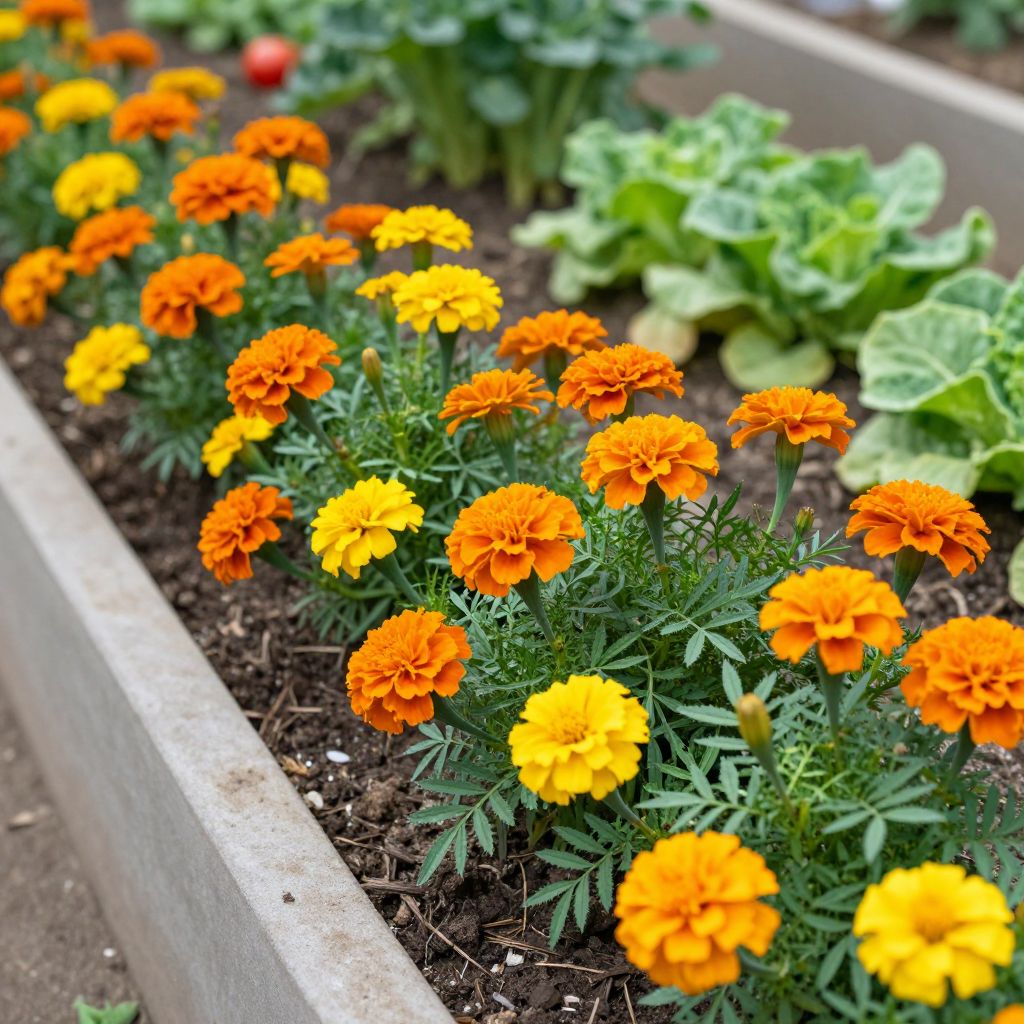
Do marigolds keep bugs away? Many gardeners plant them hoping for a natural pest barrier, but the answer is a little more nuanced than a simple yes or no.
Marigolds can help reduce some pest pressure in the garden, especially when used as part of a broader planting strategy. They are not a magic shield, but their scent, flowers, and root compounds may discourage certain insects and attract beneficial insects that help keep pests in check.
Do marigolds keep bugs away?
Marigolds may deter some pests, but they do not repel all bugs or protect every plant on their own. They work best as a companion plant that supports a healthier garden, not as a stand-alone insect control method. Expect modest help with certain pests, plus added benefits for pollinators and beneficial insects.
How marigolds may help in the garden
Marigolds are often used around vegetables and flowers because they can influence the garden environment in a few useful ways. Their strong scent may confuse some insect pests, and their blooms can draw hoverflies, lady beetles, and other beneficial insects.
What they may discourage
- Some aphids and whiteflies, depending on the garden and plant density
- Certain beetles and moths in limited situations
- Root-knot nematodes, especially with some Tagetes species used as a soil-building crop
What they will not reliably stop
- Slugs and snails
- Japanese beetles in heavy infestations
- Caterpillars, if host plants are nearby
- All flying insects across an entire bed
Important: marigolds are best viewed as one tool in integrated pest management, not a guaranteed insect repellent.
Which marigolds are most useful?
Not all marigolds are the same. The most commonly grown garden types are French marigolds (Tagetes patula) and African marigolds (Tagetes erecta). French marigolds are often favored in vegetable beds because they are compact and easy to tuck between crops.
Choosing a type for pest management
- French marigolds: compact, good for edging and interplanting
- African marigolds: taller, showier, useful for borders and pollinator support
- Signet marigolds: smaller flowers, often grown for ornament and edible petals
If your goal is pest management, choose a healthy, vigorous plant that fits your space. A stressed marigold will not do much for pest control and may become a pest target itself.
Where marigolds work best
Marigolds are most effective when planted close to the crops you want to protect, rather than scattered randomly across the yard. They are commonly used near tomatoes, peppers, beans, brassicas, and herbs, though results vary by pest and growing conditions.
Good uses in a home garden
- Bordering vegetable beds
- Filling gaps between larger crops
- Edging pathways to create a mixed planting
- Supporting beneficial insects near flowering vegetables
They are less useful if planted far from the plants you want to protect. A few marigolds across the yard won’t create a pest barrier around a whole garden.
How to grow marigolds for the best results
Healthy marigolds are more likely to perform well in the garden. They are generally easy to grow, but they still need the right light, soil, and spacing to stay vigorous and flower steadily.
Sunlight and soil
Marigolds grow best in full sun, with at least 6 hours of direct light daily. They prefer well-drained soil and do not like staying wet for long periods. Rich soil is fine, but too much nitrogen can produce leafy growth with fewer flowers.
Planting tips
- Choose a sunny spot with open air circulation.
- Loosen the soil and mix in a small amount of compost if the soil is poor.
- Plant seedlings or sow seeds after frost danger has passed and soil has warmed.
- Space plants so air can move between them and leaves dry quickly after rain.
- Water deeply after planting, then keep soil evenly moist until established.
In containers, use a pot with drainage holes and a quality potting mix. Container marigolds often dry out faster than those in the ground, so check moisture more often during warm weather.
Watering and feeding
Water marigolds at the base when the top inch or two of soil feels dry. Avoid frequent shallow watering, which can encourage weak roots. If your soil is already fertile, you may only need light feeding, because excess fertilizer can reduce flowering.
How to use marigolds as part of pest control
To get the most benefit, use marigolds alongside other practical pest-management habits. This gives you better results than relying on scent alone.
Best practices
- Plant marigolds near vulnerable crops, not just at the garden edge.
- Remove weeds that shelter pests.
- Inspect leaves regularly for aphids, whiteflies, and chewing insects.
- Encourage beneficial insects with a mix of flowering plants.
- Use row cover, hand-picking, or insecticidal soap when needed.
Tip: marigolds are most helpful in a diverse garden where pests and beneficial insects are both part of the system. Monocultures are harder to manage and often attract bigger outbreaks.
Common mistakes gardeners make with marigolds
Many gardeners plant marigolds and expect instant pest relief, then assume the flowers “don’t work” when bugs still appear. Usually the issue is not the plant itself, but how it is being used.
Mistakes to avoid
- Planting too few marigolds to make any noticeable difference
- Placing them too far from the crop being protected
- Overfertilizing and getting lots of leaves but few blooms
- Letting plants become stressed by drought or poor drainage
- Expecting them to stop severe infestations on their own
If pests are already established, marigolds can support the garden, but you will still need direct control measures. Think of them as a preventive and supportive planting, not a rescue treatment.
Problems marigolds can have
Marigolds are fairly tough, but they can still run into issues that reduce their usefulness in the garden. Healthy foliage and steady flowering matter if you want them to contribute to pest management.
Common diseases and disorders
- Powdery mildew: more likely in crowded plantings or humid conditions
- Root rot: caused by soggy soil or poor drainage
- Leggy growth: often from too little light
- Few flowers: sometimes from too much fertilizer or too much shade
Common pests on marigolds
- Aphids
- Spider mites in hot, dry weather
- Thrips
- Slugs on young plants in damp conditions
If marigolds themselves are heavily infested, improve airflow, remove badly damaged growth, and check nearby plants for the source of the problem. A stressed marigold bed can become part of the pest issue rather than part of the solution.
Can marigolds reduce nematodes?
Some marigolds, especially certain Tagetes types, are known for helping suppress root-knot nematodes in some soils. This is one of the strongest pest-related benefits associated with marigolds, but it is not instant and not universal.
How this works in practice
For best effect, marigolds need time in the soil as a planted crop, not just a few flowers tucked into a bed. Results depend on the nematode species, soil conditions, and how long marigolds are grown before the next crop is planted.
If nematodes are a known problem, combine marigolds with crop rotation, soil improvement, and careful sanitation. Do not expect a single season of marigolds to fix a long-term soil issue by itself.
Growing marigolds in containers or small spaces
Container marigolds can still offer some pest-management value, especially on patios, balconies, and small raised beds. They are useful when you want color plus a little insect support near tomatoes, peppers, or herbs grown in pots.
Container care basics
- Use a pot with drainage holes
- Choose a sunny location
- Use a lightweight potting mix, not heavy garden soil
- Water when the top layer of mix dries
- Deadhead spent blooms to keep flowers coming
In small spaces, marigolds can help create a more diverse planting that attracts beneficial insects. That diversity often matters more than the marigolds alone.
Propagating marigolds for more coverage
If marigolds are working well in your garden, you may want more of them the following season. Most gardeners grow them from seed because they are easy to start and inexpensive to plant in quantity.
Seed-saving and reseeding
- Let a few flowers dry fully on the plant.
- Collect the mature seed heads when they turn brown and papery.
- Store seeds in a cool, dry place.
- Sow them the next season according to your local frost timing and soil warmth.
Saving seed from open-pollinated marigolds can work well, but flowers may vary somewhat from the parent plant. If you want uniform results, buy fresh seed from a reliable source.
Bottom line: do marigolds keep bugs away?
Yes, sometimes, but only partly. Marigolds can help discourage certain pests, support beneficial insects, and improve the overall balance of a garden, but they are not a complete insect repellent. Their value is greatest when they are healthy, well-placed, and combined with good garden care.
If you want to use them effectively, plant marigolds in full sun, keep them well-drained and blooming, and place them near the crops you want to protect. For more practical garden planning, you may also want to read about companion planting for vegetables and how to control aphids naturally.