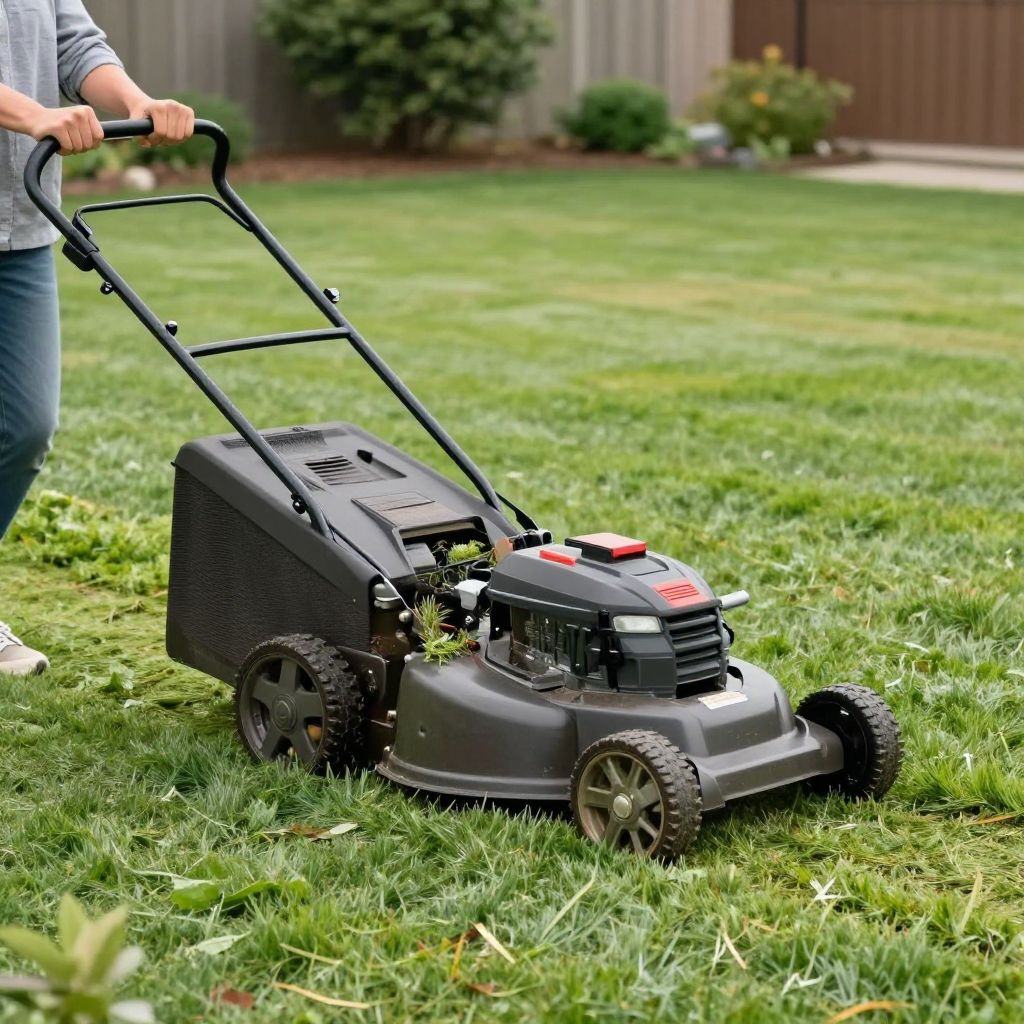
If you’re asking, “What is a self propelled lawn mower?” you’re probably trying to figure out whether this type of mower will make lawn care easier. The short answer is that it’s a mower with a drive system that helps move the machine forward, so you guide it rather than push all of its weight yourself.
That extra assistance can be a big help on larger lawns, slopes, or thick grass. Understanding how it works, what it’s best for, and how to use it safely will help you choose the right mower and get cleaner, less tiring results.
What is a self propelled lawn mower?
A self propelled lawn mower is a mower with a built-in drive mechanism that turns the wheels and moves the mower forward while you steer it. You still control direction and speed, but the mower does much of the physical pushing for you, which is especially useful on uneven ground or when mowing for longer periods.
How a self propelled mower works
Most self propelled mowers use a belt-and-gear system or a transmission powered by the engine or motor. When you engage the drive lever or bar, the wheels begin to turn and pull the mower ahead.
On many models, the drive only works while you hold the control engaged. That means you can stop, slow down, or turn more easily than with a machine that is always moving under its own power.
Front-wheel drive, rear-wheel drive, and all-wheel drive
- Front-wheel drive: Often easier to maneuver and useful for flat lawns.
- Rear-wheel drive: Usually better for slopes and rougher ground because the rear wheels provide more traction.
- All-wheel drive: Helpful in hilly or uneven areas, though it may cost more and weigh more.
Why gardeners choose a self propelled mower
For many home gardeners, the main benefit is reduced effort. A self propelled mower can make regular mowing less tiring, especially if your lawn has hills, thick turf, or narrow sections that require frequent turning.
It can also help you maintain a more even cut because you are less likely to rush or strain while mowing. That said, it is not automatically the best choice for every yard.
Good reasons to choose one
- Your lawn has slopes or uneven ground.
- You mow for a longer time and want less physical strain.
- Your grass gets dense quickly during the growing season.
- You want a mower that is easier to control than a heavier push model.
When a push mower may be enough
- Your lawn is small and flat.
- You prefer a lighter mower that is simpler to maintain.
- You want lower upfront cost and fewer drive components to service.
How to identify a self propelled lawn mower
If you are looking at a mower in a store or online, there are a few clear signs that it is self propelled. The most obvious clue is a drive control on the handle, usually a bar, lever, or bail that you squeeze to engage the wheels.
You may also see terms like self-propelled, drive system, variable speed, or personal pace in the product description. If the mower has no drive control and must be pushed manually, it is a standard push mower.
Quick identification checklist
- Drive lever or bar on the handle
- Wheels connected to a transmission or drive system
- Product label stating “self propelled”
- Speed adjustment on some models
How to use a self propelled lawn mower correctly
Using a self propelled mower is straightforward, but a few habits make it safer and easier to handle. The key is to let the mower move at a comfortable pace instead of forcing it forward or letting it run away from you.
- Check the lawn for sticks, stones, toys, and other debris.
- Set the cutting height before mowing, based on your grass type and current conditions.
- Start the mower on a stable, level area.
- Engage the drive slowly and walk at a steady pace.
- Overlap each pass slightly to avoid missed strips.
- Disengage the drive before turning sharply or backing up.
If the mower feels too fast, reduce the drive speed if your model allows it. If it does not, choose a slower walking pace and make wider turns to maintain control.
Safety tips that matter
- Keep hands and feet away from the deck and discharge area.
- Wear sturdy shoes with good traction.
- Never clear clogs while the mower is running.
- Stop the engine or remove the battery before inspecting the blade area.
Best lawn conditions for a self propelled mower
Self propelled mowers are especially useful when grass is growing quickly and needs regular cutting. They also perform well on lawns that are not perfectly flat, where a push mower can become tiring.
For best results, mow when the grass is dry enough that it is not clumping heavily, but not so dry that the lawn is stressed. Very wet grass can clog the deck, reduce traction, and leave an uneven finish.
Conditions that can affect performance
- Wet grass: Can slip, clog, and leave clumps.
- Long grass: May slow the mower and strain the drive system.
- Steep slopes: Need extra caution and better traction.
- Uneven soil: Can make the mower bounce or cut inconsistently.
Common problems and how to fix them
Like any garden tool, a self propelled mower works best when it is clean and properly maintained. If the mower is not moving as expected, the issue is often simple and fixable.
Mower won’t self propel
- Check whether the drive control is fully engaged.
- Inspect the drive belt for wear or slipping.
- Make sure the wheels are not jammed with grass buildup.
- Look for a damaged cable or loose connection on the handle.
Mower moves too fast
- Use the slowest speed setting if available.
- Choose a model with variable speed control for hilly or tight lawns.
- Practice on a flat section before mowing slopes or edges.
Mower cuts unevenly
- Sharpen or replace the blade if it is dull.
- Raise the cutting height if the lawn is too tall for one pass.
- Check tire pressure on models that use pneumatic tires.
- Clean grass buildup from under the deck.
Maintenance basics for better performance
A self propelled mower needs the same basic care as any mower, plus attention to its drive parts. Regular maintenance helps it start more easily, cut more cleanly, and last longer through the mowing season.
Simple maintenance tasks
- Clean grass clippings from the deck after use.
- Inspect the blade regularly and sharpen it when it starts tearing grass.
- Check the drive belt and cables for wear.
- Keep wheels free of packed soil and debris.
- Follow the manufacturer’s guidance for engine or battery care.
For gas models, fuel and oil care matter too. Old fuel can cause starting problems, and low or dirty oil can shorten engine life, so it is worth checking those basics before the mowing season begins.
How to choose the right self propelled mower for your yard
The best mower depends on the size and shape of your lawn, not just the fact that it is self propelled. A small flat yard may only need a basic model, while a larger or sloped property may benefit from stronger traction and variable speed.
What to consider before buying
- Lawn size: Larger lawns usually justify the extra convenience.
- Terrain: Hills and rough patches favor rear-wheel or all-wheel drive.
- Weight: Heavier mowers can feel stable, but harder to lift and store.
- Speed control: Helpful if your walking pace is slow or inconsistent.
- Power source: Gas and battery models each have different maintenance needs.
Also think about storage space, noise tolerance, and whether you prefer fewer maintenance tasks. A mower that suits your routine is more likely to be used correctly and kept in good condition.
Common mistakes to avoid
Many mowing problems come from using the machine too aggressively or expecting it to solve lawn issues that are actually about grass height, moisture, or blade condition. A self propelled mower helps with movement, but it does not replace good mowing habits.
- Do not mow wet, soggy grass unless you absolutely must.
- Do not cut more than about one-third of the grass height at once.
- Do not ignore dull blades, because they shred rather than cut.
- Do not let the mower pull you faster than you can safely walk.
- Do not skip cleaning the underside of the deck after heavy mowing.
Is a self propelled mower worth it?
For many gardeners, yes. If mowing feels tiring, your yard has slopes, or you want a more comfortable way to keep grass trimmed during the growing season, a self propelled mower can be a very practical upgrade.
If your lawn is tiny and flat, a push mower may still be the simpler choice. The best option is the one that fits your lawn conditions, your strength, and how often you mow.
Before you buy, compare drive type, cutting width, and speed control, then match the mower to your yard’s terrain. If you want to keep learning about mower care, you may also find this guide useful: what kind of oil does a lawn mower take.