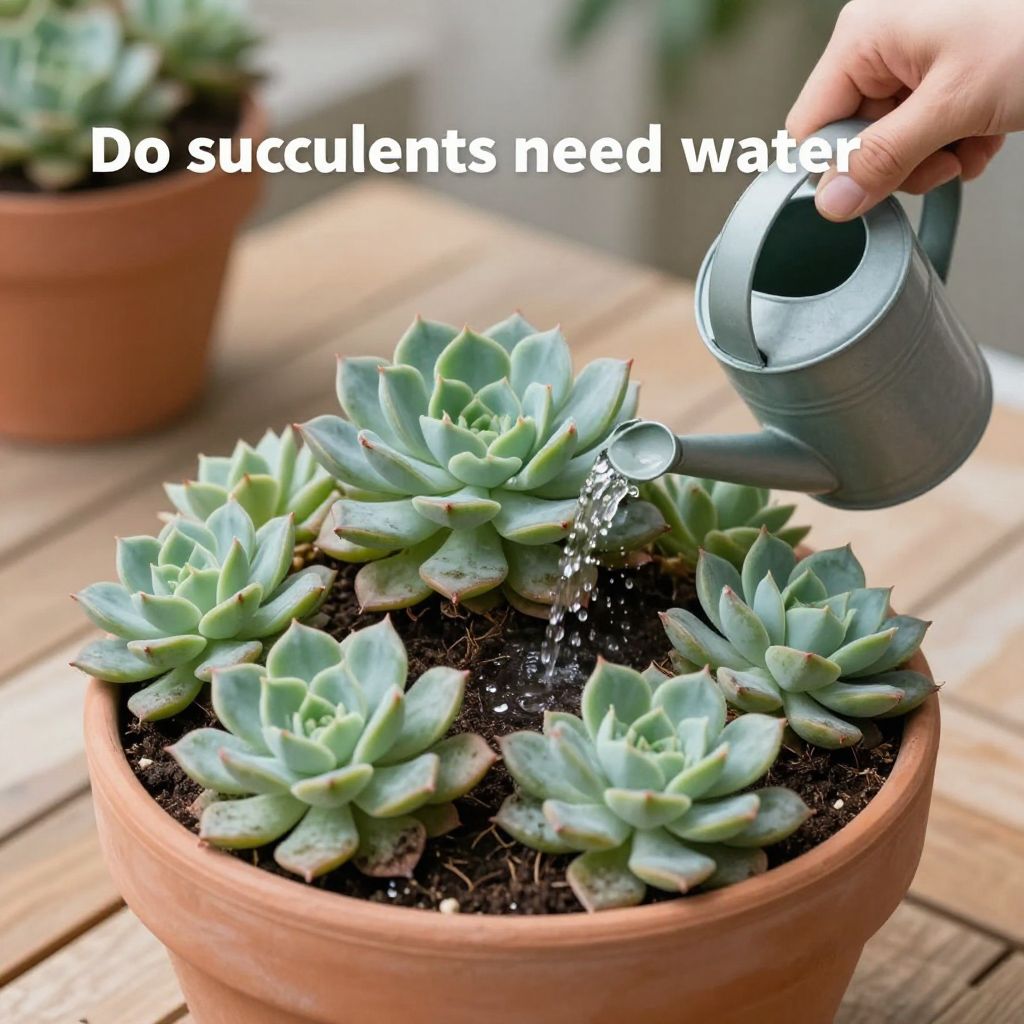
Do succulents need water? Yes, they do—just far less often than many houseplants. Succulents store moisture in their leaves, stems, or roots, but they still need occasional deep watering to stay healthy, grow well, and avoid shriveling.
The key is not “no water,” but the right amount at the right time. Overwatering is the most common mistake, and underwatering is usually easier to fix once you know how to read the plant and the soil.
Do succulents need water?
Yes. Succulents need water to survive, but they prefer a “soak and dry” approach: water thoroughly, then let the soil dry out almost completely before watering again. Their storage tissues help them handle dry periods, but they cannot live indefinitely without moisture, especially in active growth or bright, warm conditions.
How often should you water succulents?
There is no single schedule that works for every succulent. Watering depends on light, temperature, pot size, soil mix, humidity, and whether the plant is indoors or outdoors.
Use soil dryness, not the calendar
Check the potting mix before watering. If the soil is still damp a few inches down, wait. If it is dry throughout the pot, it is usually time to water.
- Small pots dry faster than large pots.
- Clay or terracotta dries faster than plastic.
- Bright light and warm air increase water use.
- Cool, low-light conditions slow growth and reduce watering needs.
As a rough guide, many indoor succulents need water every 1 to 3 weeks during active growth, but that range can stretch much longer in winter or in low light. Outdoor plants may need more frequent watering in hot, dry weather and much less in cool or rainy seasons.
How to tell if a succulent needs water
Healthy succulents give you clear signals. Learn to read the plant and the potting mix together.
Signs the plant is thirsty
- Leaves look slightly wrinkled, thin, or less firm.
- Lower leaves may feel softer than usual.
- The plant looks less plump or compact.
- Soil is completely dry and pulling away from the pot edges.
Signs you may be overwatering
- Leaves feel mushy, translucent, or swollen.
- Lower leaves drop easily and look yellow or brown.
- Stems soften near the base.
- Soil stays wet for days after watering.
Important: A wrinkled succulent is often thirsty, but a soft, yellowing, or collapsing one may be overwatered and starting to rot. Those problems need different fixes.
The best way to water succulents
Give succulents a deep watering so moisture reaches the roots, then let excess water drain away completely. Light, frequent sips usually encourage shallow roots and can leave the lower soil too dry while the root zone stays uneven.
Step-by-step watering method
- Check that the pot has a drainage hole.
- Water the soil evenly until water runs from the bottom.
- Empty the saucer after a few minutes so the pot does not sit in water.
- Wait until the soil dries out fully before watering again.
If you are watering a planted bed or container arrangement without drainage holes, be extra cautious. Soil can stay wet much longer in those situations, which raises the risk of root rot.
Top watering vs. bottom watering
Top watering is usually simplest and works well for most succulents. Bottom watering can be useful for very dry, compacted potting mix, but it should still be followed by a full drain and a dry-down period.
- Top watering lets you flush salts from the soil and soak the whole root ball.
- Bottom watering can help if the mix repels water, but do not leave the pot sitting in water for long periods.
Soil, drainage, and pot choice matter
Watering success starts with the right growing medium. Succulents need fast-draining soil that does not hold excess moisture around the roots.
What kind of soil works best?
Use a cactus or succulent mix, or amend regular potting soil with mineral materials such as pumice, perlite, or coarse sand to improve drainage. The goal is a mix that drains quickly but still holds a little moisture for the roots.
Choose containers that dry out properly
- Use pots with drainage holes.
- Terracotta is helpful in humid climates or for beginners.
- Avoid oversized pots, which stay wet too long.
- Do not let decorative outer pots trap runoff at the bottom.
If a succulent is in a pot with no drainage hole, water very sparingly and repot it into a better container when possible. That single change often solves chronic overwatering problems.
Indoor vs. outdoor succulent watering
Indoor and outdoor succulents dry at different rates, so they should not be treated the same way.
Indoor succulents
Indoors, light levels are often lower and temperatures are steadier, so soil dries more slowly. Water less often in winter, especially if the plant is near a cool window or not growing much.
Outdoor succulents
Outside, sun, wind, and heat can dry soil quickly. But rain can also keep roots wet for too long, especially in containers or heavy soil. In rainy periods, protect potted succulents from repeated soaking.
Tip: Outdoor succulents in the ground usually need less watering than those in pots, because their roots can explore a larger soil volume and the soil temperature is more stable.
Seasonal watering changes
Succulents usually use more water during active growth and less during slower growth periods. Your local climate matters, so adjust based on what the plant is doing, not just the month on the calendar.
Warm, bright seasons
In spring and summer, many succulents grow faster and may need more frequent watering. Watch for drying soil and signs of active growth, such as new leaves or fuller stems.
Cooler or darker seasons
In fall and winter, many succulents slow down. They often need much less water because the roots absorb moisture more slowly and the soil takes longer to dry.
- Reduce watering when light levels drop.
- Water only when the potting mix is dry throughout.
- Be especially careful with cold, wet weather outdoors.
Common watering mistakes to avoid
Most succulent problems come from too much water, poor drainage, or watering on a fixed schedule without checking the plant.
- Watering “just a little” every few days instead of soaking and drying.
- Leaving pots standing in saucers of water.
- Using dense soil that stays wet too long.
- Watering on a rigid schedule without checking moisture.
- Ignoring reduced water needs in winter or low light.
Another common mistake is misting. Misting does not properly water the roots and can raise humidity around the plant without actually solving dryness in the soil.
What to do if your succulent is too dry or too wet
If it is underwatered
Give the plant a thorough watering and let excess drain away. If the soil has become extremely dry and water runs off the surface, soak the pot slowly or water in stages so the mix can absorb moisture evenly.
If it is overwatered
Stop watering immediately. Check the roots and stem base if the plant is soft or collapsing. If you find rot, remove damaged tissue, let the plant dry briefly, and repot into fresh, dry, well-draining mix if the roots are still salvageable.
- Remove any mushy leaves or blackened stems.
- Use a clean pot and fresh mix.
- Do not water again until the soil has dried fully.
If the plant is badly rotted, propagation from healthy leaves or stem cuttings may be the best rescue option.
Propagation and watering newly rooted succulents
New cuttings and baby plants need a gentler watering approach than established succulents. Their roots are small, so they dry out faster, but they also rot more easily if kept too wet.
For leaf and stem cuttings
Let cuttings callus before planting if the species you are growing benefits from that step. After planting, wait to water until the cutting is settled, then moisten lightly and allow the mix to dry between waterings.
- Keep the mix barely moist, not soggy.
- Use bright, indirect light while roots develop.
- Increase watering only after you see new growth.
Do succulents need fertilizer or extra care with water?
Fertilizer is not the main issue when asking do succulents need water, but feeding can affect watering needs slightly. Fertilized plants may grow faster and use water a bit more quickly, especially in bright conditions. Use a light hand and avoid feeding stressed or overwatered plants.
Routine care also helps water management:
- Remove dead lower leaves so moisture and pests do not collect around the stem.
- Rotate indoor plants for even light exposure.
- Check for pests such as mealybugs, which often hide where leaves meet the stem.
Quick watering checklist for healthy succulents
- Check soil dryness before watering.
- Use a pot with drainage holes.
- Water deeply, then let the pot drain fully.
- Adjust for season, light, temperature, and humidity.
- Watch the plant for wrinkling, softness, or yellowing.
Conclusion
Succulents do need water, but they need it thoughtfully. If you focus on dry soil, good drainage, and seasonal changes instead of a fixed schedule, you will avoid most common problems and keep plants healthier for longer. Check your succulent today, and water only if the potting mix is fully dry.
If you want to improve your succulent care further, it also helps to read more about general succulent care and how to grow succulents indoors.