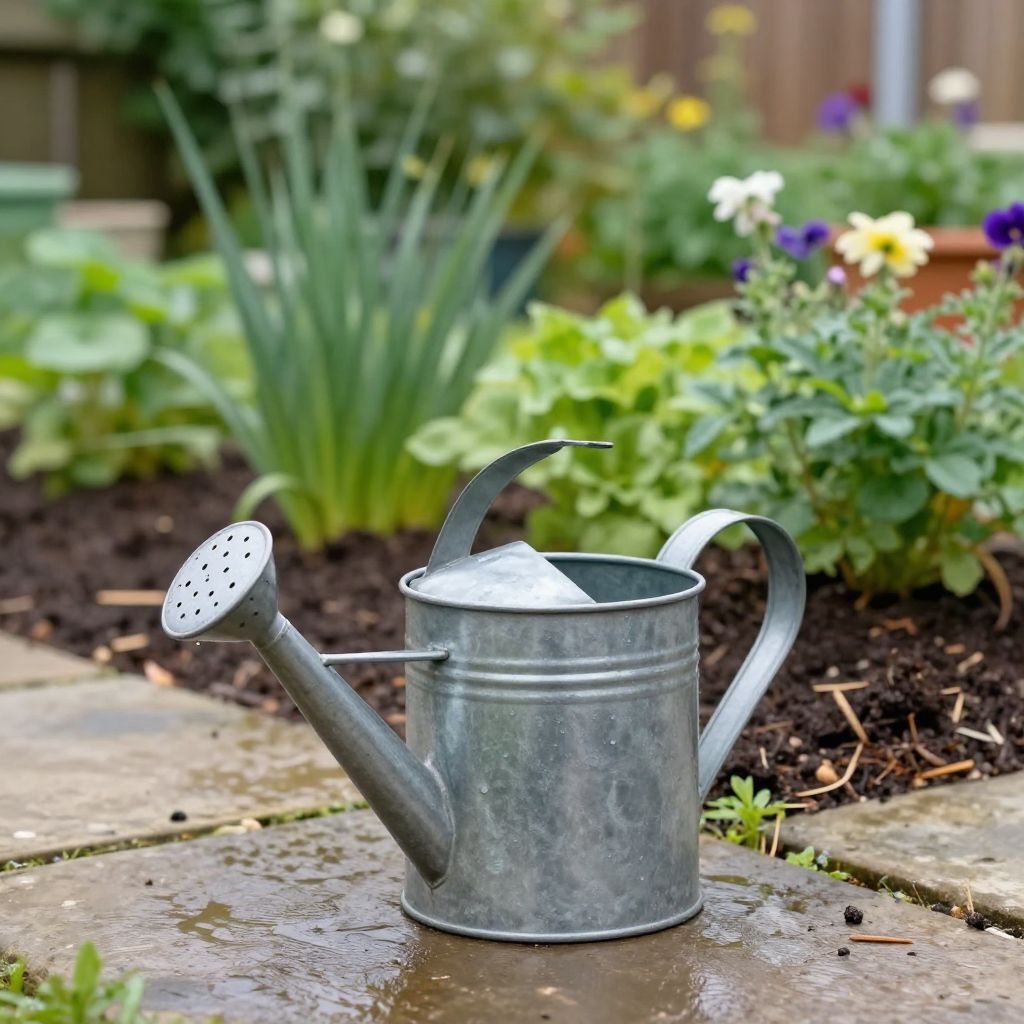
Looking for a watering can near me because your plants are drying out, your hose is awkward, or you need a better way to water indoors? The right watering can makes daily plant care easier, more precise, and less wasteful. It also helps you avoid common mistakes like splashing foliage, eroding potting mix, or overwatering containers.
This guide will help you choose the right watering can and use it well for houseplants, seedlings, patio pots, and garden beds. You’ll also learn what features matter most, how to water correctly, and how to keep your plants healthy in different conditions.
Where can I find a watering can near me?
You can usually find a watering can at garden centers, home improvement stores, hardware shops, farm supply stores, nurseries, and some general retailers. If you need one quickly, choose a size and spout style that matches your plants: small cans for indoor pots, medium cans for balconies, and larger cans for beds and containers outdoors.
How to choose the right watering can for your garden
The best watering can is the one that fits your plants, your strength, and your watering routine. A can that is too heavy or too large often gets left unused, while one with the wrong spout can damage seedlings or spill water everywhere.
Size and weight
- Small cans are best for houseplants, shelves, and seedlings.
- Medium cans suit patio containers and a few hanging baskets.
- Larger cans work for garden beds, but only if you can lift them comfortably when full.
Remember that water is heavy. A can that seems manageable when empty may feel awkward once filled, especially if you need to carry it across the yard or up stairs.
Spout style
- A rose or sprinkler head creates a gentle shower for seedlings and delicate potting mix.
- A plain spout gives a steadier stream for established plants and deeper watering.
- A long spout helps you reach under foliage and into tight indoor spaces.
Material and durability
Plastic cans are lightweight and often inexpensive. Metal cans can last longer and may feel sturdier, but they can be heavier and may rust if left wet outdoors. For indoor use, lightweight plastic is often easiest; for frequent outdoor use, choose a can that feels balanced and durable in your hand.
How to water plants properly with a watering can
Water slowly and aim at the soil, not the leaves, unless you are rinsing dust from foliage or watering a plant that prefers overhead moisture. The goal is to moisten the root zone evenly without flooding the pot or washing soil away.
Step-by-step watering method
- Check the soil first by feeling the top layer with your finger.
- Water only when the plant actually needs it, not on a fixed schedule alone.
- Pour slowly around the base of the plant so water sinks in rather than running off.
- Pause if water pools on top, then continue after it absorbs.
- Stop when the root zone is evenly moist and excess water begins to drain from the bottom of a container.
For potted plants, drainage matters as much as watering. A pot without drainage holes can trap water and lead to root rot, even if you use the perfect watering can.
How to tell when plants need water
- Dry topsoil is only one clue; some plants still have moisture lower down.
- Wilting can mean thirst, but it can also mean heat stress or root problems.
- Light-colored, dusty, or pulling-away-from-the-potting-mix soil often needs attention.
- For many containers, a finger test 1 to 2 inches deep is more useful than guessing.
Watering can tips for indoor plants
Indoor plants usually need more careful watering than outdoor beds because pots dry unevenly and there is no rain to help. A smaller watering can with a narrow spout is often the easiest tool for houseplants on shelves, windowsills, and plant stands.
Avoid these common indoor mistakes
- Do not drench the plant “just in case.”
- Do not leave standing water in saucers for long periods.
- Do not water on a rigid calendar if the plant is still moist.
- Do not splash leaves repeatedly if the plant is prone to leaf spotting or mildew.
Indoor conditions change with season and light. A plant near a sunny window may dry faster than one in a cooler room, while heating systems can speed up moisture loss in winter.
Best practice for houseplants
- Water in the morning when possible so excess moisture can settle before evening.
- Use room-temperature water for most houseplants.
- Empty drip trays after watering if the plant does not like wet feet.
- Rotate pots occasionally so all sides receive similar light and drying.
Watering can tips for outdoor beds and containers
Outdoor plants face sun, wind, rain, and fluctuating temperatures, so their water needs vary more than indoor plants. A watering can is especially useful for targeted watering at the base of plants, newly installed shrubs, and containers that dry out quickly.
For garden beds
Water deeply enough to encourage roots to grow downward. Shallow watering often keeps roots near the surface, which makes plants more vulnerable during dry spells.
- Water slowly so moisture can soak in rather than run off.
- Apply water near the root zone, not across the whole bed if only a few plants need it.
- Mulch can help reduce evaporation and keep soil moisture more stable.
For containers and hanging baskets
Containers dry out faster than in-ground soil because they hold less moisture and are exposed on all sides. In hot, windy, or sunny weather, they may need checking daily.
- Choose pots with drainage holes.
- Use a watering can with a controlled spout to avoid washing out potting mix.
- Water until you see a little runoff from the bottom, then stop.
What to consider before buying a watering can near me
If you are comparing options in a store, look beyond appearance. A good watering can should feel comfortable, pour accurately, and suit the plants you actually grow.
Practical buying checklist
- Comfortable handle for carrying and pouring.
- Balanced shape so it does not tip easily when full.
- Easy-to-clean opening for refilling and rinsing out debris.
- Removable rose if you want both a gentle shower and a direct stream.
- Appropriate capacity for your strength and watering distance.
If possible, lift the can while imagining it full of water. A smaller can that you can use comfortably every day is often better than a large one that stays in the shed.
Seasonal watering adjustments
Watering needs change with weather, plant growth, and soil conditions. The same watering can can serve you all year, but how you use it should shift with the season.
Spring
New growth often begins to increase water use, especially as days get warmer and windier. Seedlings and newly planted flowers need gentle, consistent moisture, not soaking.
Summer
Heat and sun can dry soil quickly. Check containers often, water early in the day when possible, and pay close attention to hanging baskets and newly planted shrubs.
Autumn
As temperatures cool, many plants use less water. Keep watering as needed, especially during dry spells, but avoid keeping soil constantly wet.
Winter
Indoor plants may dry more slowly, while outdoor evergreens and sheltered pots can still need occasional watering during dry, unfrozen periods. Always adapt to your local climate rather than assuming plants are dormant enough to ignore.
Common watering problems and how to fix them
Even with a good watering can, plants can struggle if the watering method is off. The signs usually show up in the leaves, stems, or soil before serious damage occurs.
Problem: Water runs off the surface
This often means the soil has become compacted or very dry. Water slowly in several passes, allowing time for absorption. For containers, gently loosen the top layer of potting mix if it has crusted over.
Problem: Leaves yellow and soil stays wet
This may point to overwatering or poor drainage. Let the soil dry somewhat before watering again, and check that the pot can drain freely. If the pot has no drainage holes, repot into a suitable container.
Problem: Seedlings bend or wash over
The stream is too strong. Use a watering can with a rose attachment or switch to a gentler pour from lower height. Water the soil, not the seedlings themselves.
Problem: Fungal spots appear on leaves
Frequent overhead watering can keep foliage wet too long. Water at the base instead, improve spacing for airflow, and remove badly affected leaves if needed.
How to care for your watering can
A clean watering can works better and lasts longer. Soil, algae, and mineral deposits can clog the spout or make the can unpleasant to use.
- Rinse it after use, especially if you watered with fertilizer or muddy water.
- Empty it before storing so standing water does not encourage buildup.
- Check the rose or spout for blockages and clear debris regularly.
- Store it out of harsh sun if the material becomes brittle over time.
Conclusion: make watering easier and more effective
If you are searching for a watering can near me, choose one that matches your plants, your space, and your routine. Then use it to water slowly, at the base of the plant, and only when the soil actually needs moisture. That simple habit can improve root health, reduce waste, and make everyday gardening much easier.
For more practical plant-care guidance, you may also want to read about container gardening basics and how to improve garden soil if those topics are relevant to your next project.