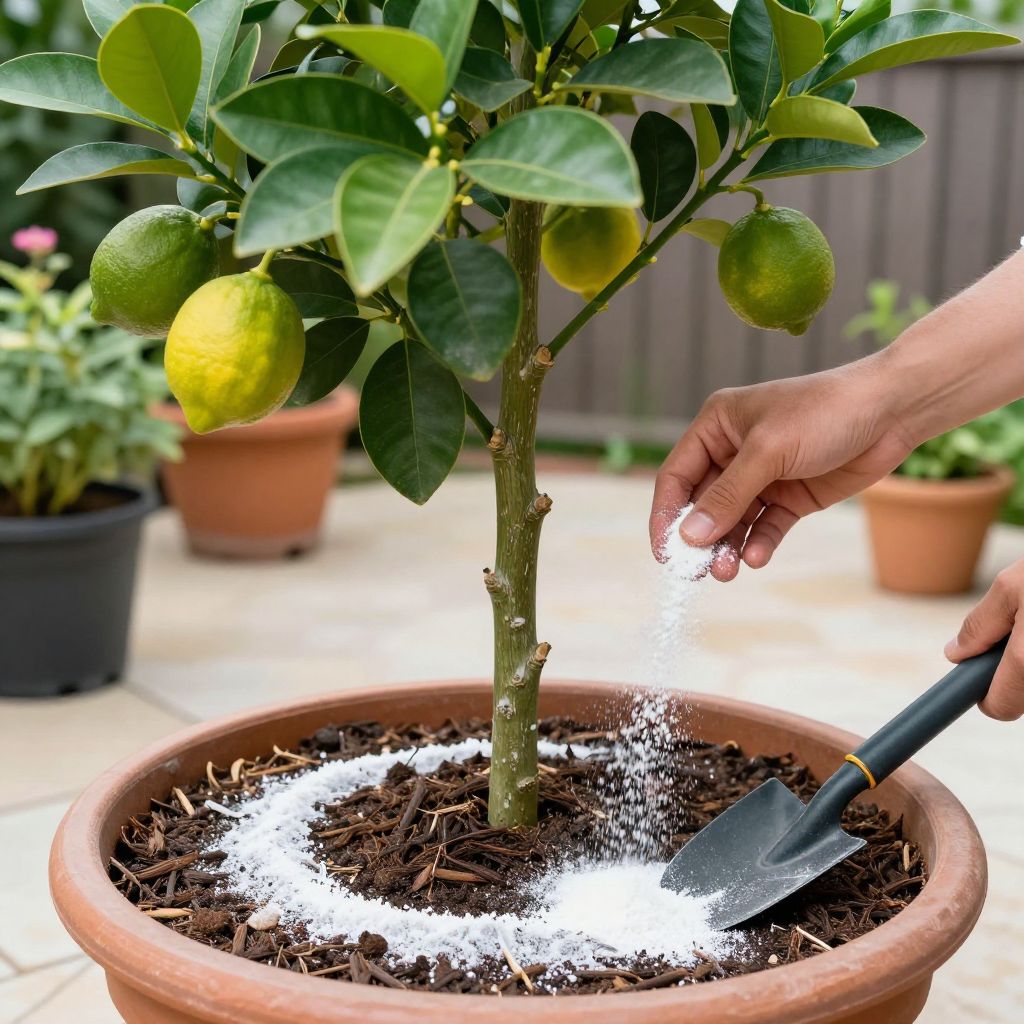
If you’re wondering when to fertilize citrus trees, timing matters almost as much as the fertilizer itself. Feed at the right moments and your tree is more likely to grow steadily, flower well, and set fruit without pushing too much soft growth.
The best schedule depends on whether your citrus is in the ground or in a pot, your climate, and how actively the tree is growing. In general, citrus trees are fertilized during the active growing season, then eased off before cool weather slows growth.
When to fertilize citrus trees?
Fertilize citrus trees in early spring as new growth begins, then continue with light feedings through late spring and summer if the tree is actively growing. Stop feeding in late summer to early fall in cooler climates so tender new growth can harden before winter. Potted citrus usually needs more frequent, lighter feeding than in-ground trees.
Why timing matters for citrus fertilizer
Citrus trees use nutrients most efficiently when roots are warm and the tree is actively growing. Feeding too early, too late, or too heavily can waste fertilizer and sometimes stress the plant.
Too much nitrogen late in the season can encourage soft growth that is more vulnerable to cold damage, pests, and poor fruit quality. On the other hand, a tree that gets no nutrition during active growth may show pale leaves, weak shoots, and reduced flowering.
What citrus trees need most
- Nitrogen for leafy growth and overall vigor.
- Potassium for fruit development and plant health.
- Micronutrients such as iron, magnesium, and zinc, which citrus often needs in small amounts.
Best fertilizing schedule by season
Spring: the main feeding window
Early spring is usually the most important time to fertilize citrus trees. Wait until you see the tree waking up with new growth, especially in areas where winter is cool or mild but not fully dormant.
If your tree is in a climate with distinct seasons, this is the best time for the first application. In warmer regions, citrus may grow more continuously, so you may need to split feeding into several lighter doses instead of one large application.
Late spring and summer: steady support
Continue feeding through late spring and summer if the tree is still actively producing new leaves or fruit. This is especially helpful for young trees and container-grown citrus, which use nutrients faster than established trees in the ground.
Use a balanced citrus fertilizer or a fertilizer formulated for citrus, and follow the label directions. Light, repeated feedings are usually safer than one heavy dose.
Late summer to fall: taper off
In many climates, stop fertilizing by late summer or early fall. This gives the tree time to slow down naturally and reduces the chance of tender new growth being damaged by cool nights or frost.
If you live in a frost-free tropical or subtropical area, citrus may not have a true dormant period. Even then, many gardeners still reduce feeding during cooler, slower months rather than fertilizing heavily year-round.
Winter: usually skip feeding
Most outdoor citrus trees should not be fertilized in winter, especially in cool climates. Growth is slow, roots are less active, and fertilizer is less likely to be used well.
Indoor citrus is a little different. If it is growing under strong light and warm conditions, it may need occasional feeding, but still much less than during peak outdoor growth.
How often should you fertilize citrus trees?
The right frequency depends on tree size, age, potting situation, and climate. Young trees often benefit from more frequent light feeding during the growing season, while mature in-ground trees may need fewer applications.
In-ground citrus
- Feed once in early spring.
- Repeat in late spring or early summer if growth is active.
- In warm climates, a third light feeding may be useful mid-summer.
Potted citrus
- Use smaller, more frequent feedings during spring and summer.
- Check the label for container recommendations.
- Flush the pot occasionally with plain water to reduce salt buildup.
Potted citrus dries out and loses nutrients faster than trees in the ground, so container plants usually need closer attention. Still, avoid feeding a dry pot; water first if the mix is dry.
Signs your citrus tree needs fertilizer
Not every yellow leaf means the tree is hungry, but nutrient issues are common in citrus. Look for patterns rather than one-off symptoms.
- Pale green or yellow leaves, especially on older leaves.
- Slow growth during the active season.
- Smaller-than-normal leaves.
- Reduced flowering or poor fruit set.
- Fruit that stays small or drops early.
Yellowing can also come from poor drainage, overwatering, root stress, or soil pH problems. If the tree is in soggy soil, fertilizer alone will not fix the issue.
How to fertilize citrus trees correctly
Step-by-step feeding guide
- Choose a fertilizer made for citrus or a balanced fertilizer with micronutrients.
- Apply it during active growth, not when the tree is stressed or dormant.
- Spread granules evenly around the root zone, staying away from the trunk.
- Water thoroughly after application unless the label says otherwise.
- For potted citrus, use the product rate meant for containers or dilute liquid feed as directed.
Do not pile fertilizer against the trunk. Roots absorb nutrients from the wider root zone, and direct contact can damage bark and roots.
Granular vs. liquid fertilizer
- Granular fertilizer is convenient for in-ground trees and often feeds longer.
- Liquid fertilizer can be useful for potted citrus or quick correction of mild deficiencies.
- Slow-release products can simplify care, especially for busy gardeners.
Whichever type you use, follow the label. Citrus can be sensitive to overfertilizing, especially in containers.
Soil, drainage, and pH matter too
Fertilizer works best when the roots are healthy. Citrus prefers well-drained soil and does poorly in heavy, waterlogged ground.
Good drainage is especially important because saturated soil can cause root stress and make nutrient uptake unreliable. If your tree sits in a low spot or heavy clay, improve drainage before increasing fertilizer.
Helpful soil conditions for citrus
- Loose, well-drained soil or a free-draining potting mix.
- Moderately fertile soil with organic matter mixed in.
- Soil pH that allows nutrients to be available to the roots.
If leaves stay yellow even after feeding, a soil test can help you rule out pH imbalance or nutrient lockout. That is often more useful than adding more fertilizer.
Common fertilizing mistakes to avoid
Feeding at the wrong time
Fertilizing too late in the season can push soft growth just as temperatures drop. In cool climates, that growth may be damaged before it matures.
Overfertilizing
Too much fertilizer can burn roots, cause leaf edge scorch, and create lots of leafy growth with little fruit. More is not better with citrus.
Ignoring water stress
Dry soil can make fertilizer less effective and increase the risk of root burn. Water the tree well before and after feeding if the soil is dry.
Using the wrong product
General lawn fertilizer is not always a good match for citrus. It may have the wrong nutrient balance or too much nitrogen for a fruit tree.
Indoor citrus vs. outdoor citrus
Indoor citrus trees
Indoor citrus often grows more slowly because light levels are lower than outdoors. Fertilize only when the tree is actively growing, usually spring through summer, and reduce or pause feeding in winter unless the plant is clearly still growing under strong light.
Because pots are small, salts can build up faster. Occasional thorough watering to leach excess salts can help, as long as the pot drains freely.
Outdoor citrus trees
In-ground citrus usually follows the local seasons more closely. Start feeding when spring growth begins and stop before the weather turns cool enough to slow growth significantly.
Young outdoor trees may need extra support while they establish, but avoid forcing fast growth with heavy fertilizer. Strong roots and balanced growth matter more than quick top growth.
What about compost and mulch?
Compost and mulch are helpful, but they do not replace fertilizer entirely. Compost improves soil structure and supports soil life, while mulch helps conserve moisture and moderate soil temperature.
Apply compost sparingly around established trees and keep mulch a few inches away from the trunk. A mulch layer can reduce stress and help the tree use fertilizer more efficiently.
When to troubleshoot nutrient problems
If your citrus still looks weak after proper feeding, check for other causes before adding more fertilizer.
- Yellow leaves with green veins may point to iron or manganese issues.
- Older leaves yellowing first can suggest nitrogen shortage or root problems.
- Leaf drop may be caused by watering problems, cold stress, or pests.
- Sticky leaves or curled shoots can indicate aphids, scale, or other pests.
Healthy roots, enough sunlight, and proper watering are just as important as feeding. Citrus grown in shade or soggy soil will not respond well to fertilizer alone.
Simple seasonal checklist
- Early spring: begin feeding when new growth starts.
- Late spring to summer: continue light feedings if growth is active.
- Late summer to early fall: taper off, especially in cooler climates.
- Winter: usually skip fertilizing outdoor citrus.
Conclusion
The best answer to when to fertilize citrus trees is: feed during active growth, usually starting in spring, then taper off before cool weather slows the tree down. Match the timing to your climate, use a citrus-friendly fertilizer, and avoid overdoing it. If you want the best results, check your tree’s growth, soil moisture, and drainage before each feeding.
For more practical citrus care, you may also want to read about how to prune citrus trees and improving garden soil drainage.