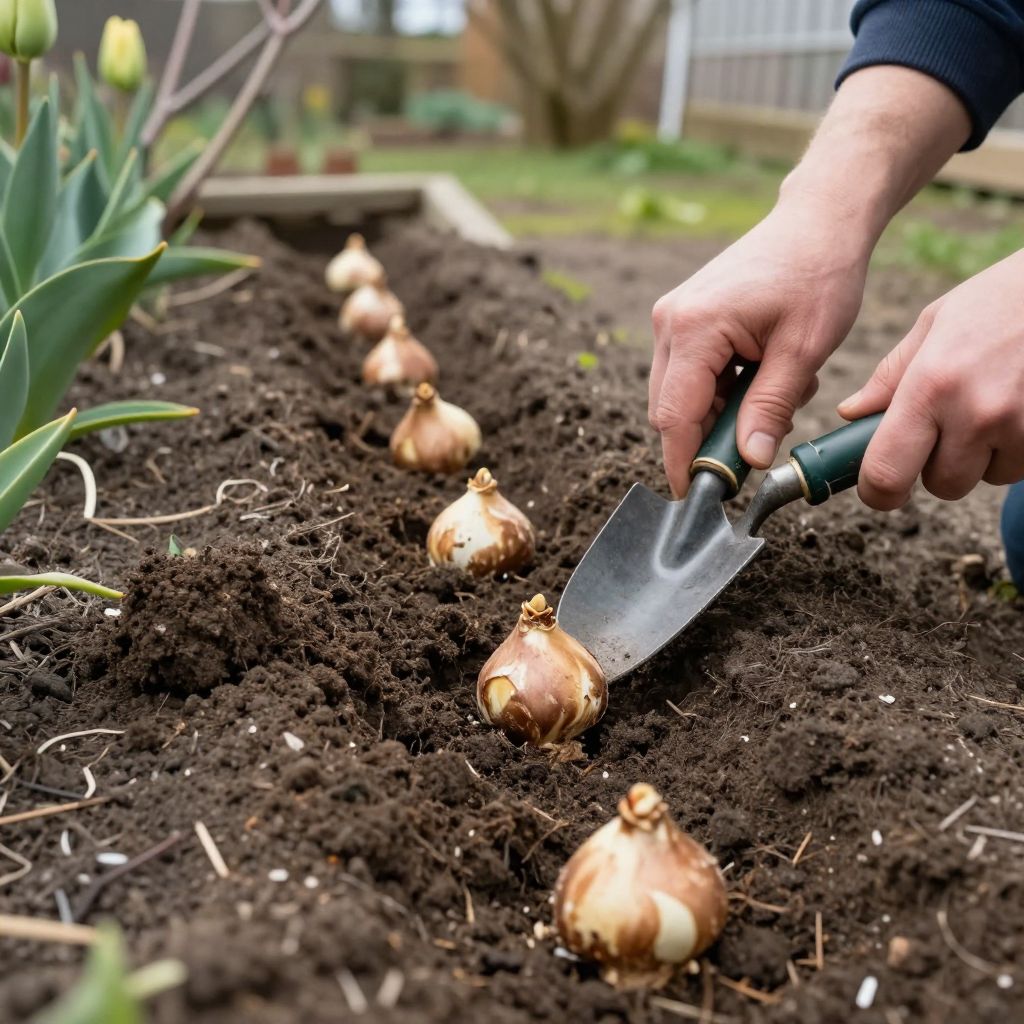
Can you plant tulip bulbs in the spring? Yes, you can, but the results are usually disappointing compared with fall planting. Tulips need a cold period to form roots and bloom well, so spring-planted bulbs often flower late, weakly, or not at all the first year.
If you already have bulbs in hand, don’t toss them. With the right handling, you may still get foliage, a small bloom, or a better chance of success next season. The key is knowing what tulips need and adjusting your expectations to your climate and timing.
Can You Plant Tulip Bulbs In The Spring?
Yes, you can plant tulip bulbs in spring, but they usually perform best when planted in fall after a period of cool weather. Spring planting may work if the bulbs are firm and healthy, but many need artificial chilling or may only produce leaves the first year. In warm climates, spring planting is especially unreliable.
Why Tulips Usually Need Fall Planting
Tulips are spring-flowering bulbs that rely on a cold dormant period to trigger root growth and flower development. In most gardens, that cold period happens naturally outdoors over winter.
When bulbs are planted in fall, they settle into cool soil, root slowly, and are ready to bloom as temperatures rise. If you plant them in spring, the bulbs may not have enough time in cold conditions to complete that cycle.
What happens if you plant tulips too late?
- They may sprout leaves but produce no flowers.
- Blooms may be smaller, shorter, or delayed.
- The bulb may exhaust itself and fail to return the following year.
- In warm regions, the bulb may rot before it establishes.
When Spring Planting Can Still Work
Spring planting is most likely to succeed if the bulbs were stored cold and dry, are still firm, and your local soil is cool enough to support root growth. The earlier in spring you plant, the better your odds.
In colder climates, spring-planted tulips may still grow leaves and possibly bloom later than usual. In mild or warm climates, they often need pre-chilling to mimic winter conditions.
Best-case spring planting situations
- You bought bulbs late and they were kept in good condition.
- Your garden still has cool soil and nighttime temperatures.
- You can plant them immediately rather than storing them longer.
- You are willing to accept fewer blooms this year.
How To Plant Tulip Bulbs In Spring
If you decide to plant tulip bulbs in spring, treat them as a rescue planting. Good drainage, firm bulbs, and proper depth matter more than ever.
- Inspect the bulbs. Choose bulbs that are firm, plump, and free of mold or soft spots. Discard shriveled or mushy bulbs.
- Pick a sunny site. Tulips do best with at least 6 hours of sun, though they can tolerate a little light shade in cooler climates.
- Check drainage. Tulips hate soggy soil. If water puddles after rain, improve the bed or use a raised area.
- Plant deeply. Set bulbs about 6 to 8 inches deep, or roughly three times the bulb’s height.
- Space them well. Leave about 4 to 6 inches between bulbs so air can move around them.
- Water once after planting. Give the soil a thorough soak to settle it around the roots, then avoid overwatering.
- Mulch lightly if needed. A thin layer of mulch can moderate soil temperature, but keep it loose and not packed over the bulbs.
Soil preparation tips
Tulips prefer loose, fertile soil that drains well. If your soil is heavy clay, mix in compost to improve structure, but avoid creating a pocket that holds water around the bulb.
In very sandy soil, compost helps retain a little moisture and nutrients without making the bed soggy. The goal is a crumbly, well-aerated planting area, not rich, wet soil.
Should You Chill Tulip Bulbs Before Spring Planting?
In many climates, yes. If tulip bulbs have not experienced enough cold, pre-chilling can improve flowering. This is especially helpful in regions with mild winters or if bulbs were purchased late and stored warm.
Place bulbs in a paper bag in the refrigerator, not the freezer, and keep them away from ripening fruit. Fruit releases ethylene gas, which can damage flower bulbs. A typical chilling period is 10 to 14 weeks, but local conditions and bulb storage history affect results.
Important chilling cautions
- Do not chill bulbs that are already soft, moldy, or damaged.
- Do not store them in a sealed plastic bag, which traps moisture.
- Do not place them near apples, pears, or bananas.
- Plant chilled bulbs as soon as the chilling period ends.
What To Expect After Spring Planting
After spring planting, tulips may take several weeks to show growth. Leaf emergence does not guarantee flowers, and some bulbs may only build strength for next year.
If blooms do appear, they may be shorter than usual. That is normal for bulbs planted out of season. The plant’s main job may be to rebuild energy in the bulb for a future bloom cycle.
How to care for spring-planted tulips
- Keep the soil lightly moist, not wet, while roots establish.
- Water only when the top inch or two of soil feels dry.
- Avoid heavy fertilizing at planting time unless your soil is very poor.
- Protect emerging shoots from slugs, snails, and nibbling animals.
- Remove spent flowers, but keep the foliage until it yellows naturally.
Common Problems And How To Fix Them
No flowers
This is the most common outcome with spring-planted tulips. The bulb may not have received enough cold, may have been stored too long, or may simply be too stressed to bloom.
Fix: Let the foliage grow and feed the bulb for next season. If the plant survives, leave the leaves in place until they yellow naturally.
Leaves but weak stems
Weak stems often happen when tulips stretch for light or grow in soil that is too rich and soft. Spring weather can also cause fast, floppy growth.
Fix: Move future plantings to a brighter site and avoid excess nitrogen fertilizer. A sheltered spot with morning sun can help.
Bulbs rot in the ground
Rot is usually caused by poor drainage, overly wet spring soil, or damaged bulbs. Tulips are especially vulnerable in heavy clay or low spots.
Fix: Plant in raised beds or improved soil, and never leave bulbs sitting in wet conditions before planting.
Animals dig them up
Squirrels, chipmunks, and other animals may dig freshly planted bulbs. Tulips are often targeted because the bulbs are easy to find.
Fix: Cover the planting area with wire mesh or chicken wire until the soil settles, then remove it once shoots are established.
Can Spring-Planted Tulips Come Back Next Year?
Sometimes, but not always. Tulips are often treated as short-lived perennials in home gardens, and spring planting can make their return less reliable.
If the bulbs bloom or even just grow healthy leaves, let them finish the season naturally. After flowering, the foliage needs time to recharge the bulb through photosynthesis. Cutting leaves too early reduces the chance of future blooms.
After-bloom care for better return
- Deadhead the flower once it fades so the plant does not waste energy on seed production.
- Leave the leaves intact until they turn yellow and begin to collapse.
- Water moderately while the foliage is green and active.
- Avoid mowing or cutting nearby foliage too soon in mixed borders.
Best Uses For Spring-Planted Tulips In The Garden
Spring-planted tulips can still be useful even if they are not guaranteed to bloom. They work well in spots where you want a surprise flower, a seasonal gap filler, or a test planting for next year.
They can also be tucked into containers, raised beds, or the front of borders where you can monitor moisture and drainage more closely. Containers are especially useful because you can move them to the best light and protect them from excess rain.
Container planting tips
- Use a pot with drainage holes.
- Choose a free-draining potting mix, not heavy garden soil.
- Plant bulbs close together but not touching.
- Keep the pot evenly moist, not saturated.
- Place the container in bright light outdoors.
Practical Mistakes To Avoid
- Planting in soggy soil. This is one of the fastest ways to lose bulbs.
- Storing bulbs too long before planting. Freshness matters.
- Using too much fertilizer. Excess nitrogen can produce lush leaves and fewer flowers.
- Cutting foliage early. The leaves feed the bulb after bloom.
- Expecting fall-like results from spring planting. The timing changes the outcome.
Bottom Line: Is It Worth Planting Tulip Bulbs In Spring?
Yes, if the bulbs are still healthy and you understand that spring planting is a backup plan, not the ideal method. You may get flowers, but you should be prepared for leaves only or a weaker display than fall-planted tulips.
If you have spring bulbs in hand, plant them right away in well-drained soil, give them bright light, and keep the soil evenly moist. For more seasonal bulb guidance, you may also want to read related gardening advice on planting tulip bulbs and growing tulips.